Key Takeaways
- Lowering the flag to half-mast is a powerful symbol of respect and mourning, typically observed on national and public buildings.
- This tradition dates back centuries, with records showing its use by British ships as early as the 17th century.
- It signifies a national disaster, tragedy, or the death of a significant leader, inviting a period of solemn reflection.
- The exact rules for flying a flag at half-mast vary by country, but the basic principle remains consistent: a solemn recognition of loss and sorrow.
- In the United States, for instance, it is customary to fly flags at half-staff on federal buildings, but homeowners are encouraged but not required to participate.
- The act of lowering the flag can be a powerful way to show community solidarity during challenging times.
- Understanding the reasons and etiquette surrounding half-mast flying ensures respect and appropriateness during moments of national sorrow.
Flying the flag at half-mast is a somber practice, typically done to honor a national or local tragedy, or during periods of mourning. It's a powerful symbol of respect and unity, showing that the community shares in the grief of those affected. This custom is observed on specific occasions, like national days of mourning, and when the flag is lowered, it's a chance to pause and reflect on the significance of the event.
The patriotic display of our flag is a powerful symbol of national pride and unity, but when and why should we fly it at half-mast? This age-old practice, often seen following tragic events, carries deep significance. A patriotic flag store, like ours, receives many inquiries about this protocol, reflecting a genuine desire to understand and honor these customs. This article examines the history, etiquette, and best practices for flying the flag at half-mast, providing a practical guide for citizens and businesses alike. We'll explore the appropriate times, the mechanics of lowering the flag, and the emotional weight behind this solemn gesture, all while highlighting the valuable resources available, like the Flag History Society and the U.S. Department of State, to ensure respect for our national symbol.
- When to Display the Patriotic Flag at Half Mast
- Understanding Flag Etiquette and Protocols
- The Meaning Behind Half-Staff Flying
- How to Properly Fly a Patriotic Flag at Half Mast
- Custom Flag Options for Special Events
- Caring for Your Half-Mast Patriotic Flag
When to Display the Patriotic Flag at Half Mast

The display of a patriotic flag at half-mast is a significant ritual, reserved for times of national mourning, mourning of public figures, or following disasters. This practice is not only a visual symbol but a profound expression of respect and solidarity. When considering when to display the patriotic flag at half-mast, it's crucial to understand the gravity of this gesture and the specific circumstances that warrant it.
In the United States, for instance, the U.S. Flag is traditionally flown at half-mast on days of national mourning declared by the President or on specific days of the year, such as Memorial Day and Veterans Day. The U.S. Department of State and the Smithsonian National Museum of American History provide guidelines and resources for proper flag etiquette, emphasizing the significance of half-masting as a way to honor the fallen and show respect to their families. When a natural disaster strikes, local and national flags may also be flown at half-mast as a sign of compassion and solidarity with the affected communities, as seen during the recovery from Hurricane Katrina and Superstorm Sandy.
Beyond national observances, half-masting a flag can also be appropriate in schools and communities when honoring students or residents who have passed away. A patriotic flag store might collaborate with local schools to provide half-masted flags for special ceremonies, or offer to restore and preserve old, tattered flags as a way to honor the memories of students and faculty. Comparing patriotic symbols and their meanings across different cultures and countries can further enrich these displays, as flags often carry deep historical and emotional weight.
Repairing and restoring damaged or old flags is a key part of maintaining the dignity and significance of the patriotic flag. This care ensures that the flag, when flown at half-mast, represents the values and memories it is intended to honor. The process of repairing a flag can involve meticulous stitching, re-sewing of torn edges, and careful cleaning to restore its original colors and symbolism, making it suitable for public display during times of mourning or celebration.
Understanding Flag Etiquette and Protocols
Understanding flag etiquette and protocols is a cornerstone of displaying a patriotic flag with respect and pride. When considering how to fly a flag properly, it's important to examine the symbolism and history behind this powerful symbol of national identity. The patriotic flag store is a prime resource for learning these rules, as it often stocks a variety of flag products that reflect these standards.
The Smithsonian National Museum of American History offers a wealth of information on flag history and symbolism. It's here that one begins to grasp the significance of a flag at half-mast-a ritual that signifies mourning or a national crisis. This tradition dates back to ancient times, with various cultures using lowered flags to signal danger or loss. In the modern context, the U.S. Flag at half-mast is a poignant reminder of the sacrifices made by our service members and a symbol of solidarity during challenging times. Top-rated patriotic stores near me often sell flag sets that come with detailed guidelines on how to correctly lower and raise a flag, ensuring customers display them with the utmost respect.
Flag display rules and regulations are extensive and cover everything from proper height to lighting conditions. Custom patriotic flags made by specialized manufacturers can be tailored to specific events or occasions, allowing for unique designs that still adhere to these protocols. The Flag History Society and the U.S. Department of State offer comprehensive resources on flag etiquette, emphasizing the importance of respecting these guidelines to maintain the dignity of the flag. A flag at half-mast should never be allowed to touch the ground, and it's crucial to follow the sequence of raising and lowering flags during ceremonies.
Collectible flag memorabilia and unique designs for flag enthusiasts patriotic window decals can serve as both a hobby and a way to educate oneself about flag etiquette. These items, often found in top-rated patriotic stores near me, offer an engaging way to learn about flag history and the rules governing their display. For events like the 4th of July parades or national pride events, it's essential to consult these resources to ensure a respectful and festive atmosphere. Following these protocols ensures that the flag, as a symbol of our nation's values, is displayed properly and with the reverence it deserves.
The Meaning Behind Half-Staff Flying

The practice of flying a flag at half-staff holds profound symbolism and signifies a moment of solemn recognition. When a flag is lowered to half-staff, it is a visual representation of respect, tribute, and remembrance. This tradition is deeply rooted in the history of the American flag, as half-staff flying has been a practice since the early days of our nation. The United States Code, specifically Title 4, Chapter 1, outlines the guidelines, stating that flags are to be flown at half-staff on certain days as a mark of respect for official deaths, such as those of government officials and military personnel.
The meaning behind this ritual extends beyond the official protocol. Flying a flag at half-staff serves as a powerful symbol of national mourning and unity. It encourages citizens to reflect on the sacrifices made by those who have served their country and to remember the fallen heroes. During times of national tragedy or in the wake of significant losses, the sight of flags at half-staff can evoke a sense of collective grief and solidarity. This practice is not limited to government buildings; many individuals and patriotic organizations choose to display their flags at half-staff as a gesture of respect and to honor the American spirit.
At the patriotic flag store, we often see customers seeking to purchase half-staff flags as a way to pay their respects and contribute to the collective memory. These flags, often made with durable materials like polyester, are designed to withstand the elements and serve as a lasting tribute. Collectible flag memorabilia, featuring half-staff renditions of the American flag, can be found in many homes and historical societies, adding to the cultural and historical narrative of this significant tradition. Affordable patriotic decor options, including American flag history and symbolism, allow individuals to engage with and pass on these meaningful customs, ensuring that the importance of half-staff flying remains alive in communities across the nation.
During the 4th of July holiday, when patriotic gear is in high demand, the patriotic flag store becomes a hub of activity. Customers not only seek colorful, vibrant flags but also those at half-staff to commemorate the occasion and honor the nation's history. This diverse range of patrons, from history enthusiasts to families celebrating their heritage, underscores the universal appeal of half-staff flying. By understanding and participating in this tradition, we contribute to a rich mix of American culture, connecting ourselves to the past while honoring the present.
Flying a flag at half-mast, or half-staff, is a significant and ceremonial act, traditionally observed to honor the dead, commemorate a national tragedy, or mark a period of mourning. This practice is deeply rooted in military and civic traditions, symbolizing respect and remembrance. When considering how to properly fly a patriotic flag at half mast, it's essential to understand both the physical action and the underlying respect it represents.
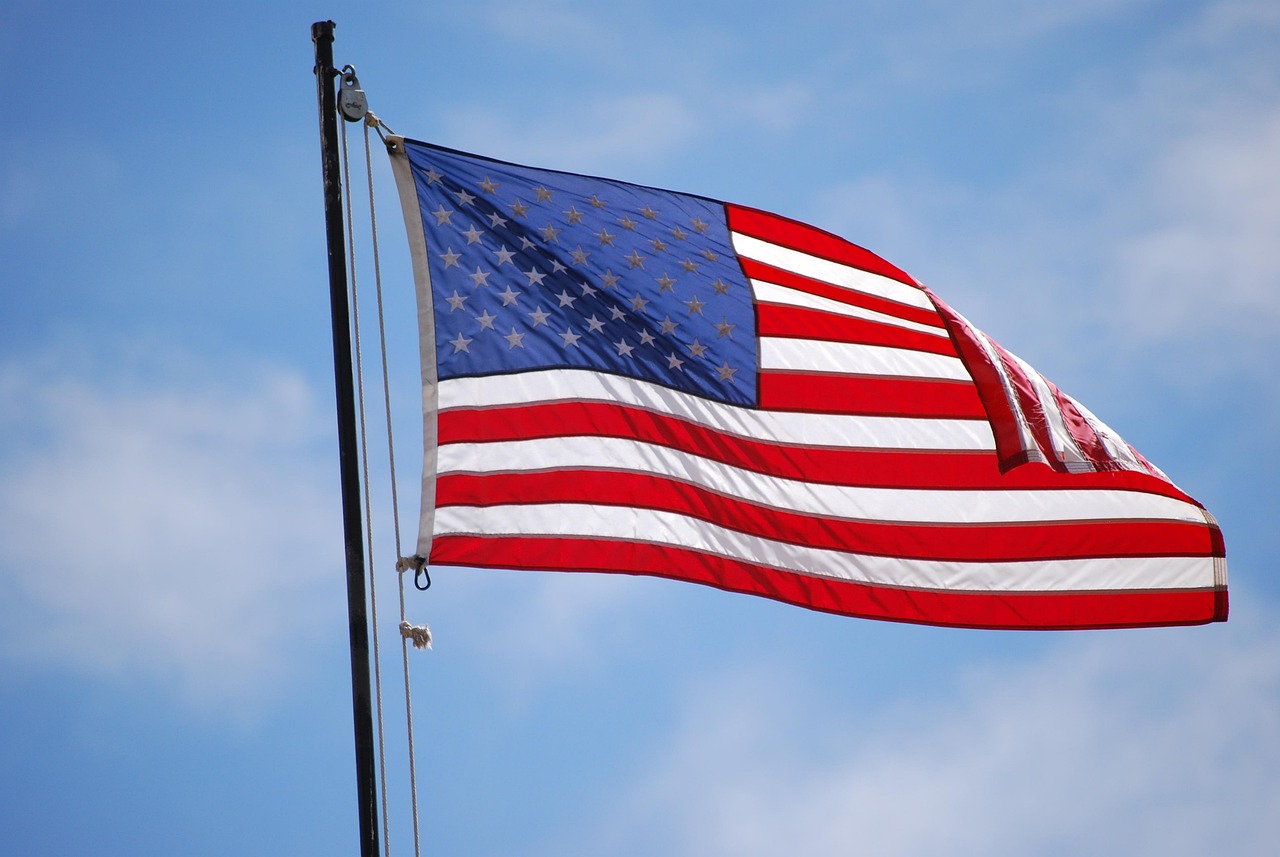
The process begins with the careful lowering of the flag to the halfway point between the top of the pole and the ground. This is a deliberate and respectful movement, often performed with the assistance of a flagpole bracket or halyard system. The flag should be hung evenly, with the union (the blue field with the stars) at the top. This placement is a universal symbol of honor and mourning, signifying that the nation is in a period of reflection and respect.
Specific guidelines govern when to lower the flag. Nationally, the U.S. Flag Code provides directives, stating that flags should be flown at half-staff on certain days of the year, such as Memorial Day and Veterans Day, to honor the nation's war dead. Local and state governments may also issue proclamations ordering flags to be flown at half-mast following local tragedies or national emergencies. Always stay informed about local and national observances to ensure your flag display is appropriate.
Remember, flying a flag at half-mast is not merely a visual gesture; it's a tangible way to honor the past, support the present, and contemplate the future.
Custom Flag Options for Special Events

Custom Flag Options for Special Events: Flying at Half Mast
When planning for special events or commemorations, organizations and individuals often seek unique ways to honor significant occasions. One powerful visual tool to achieve this is through the strategic display of flags at half mast. This practice, deeply rooted in military tradition, signifies respect, mourning, or tribute, and can be a meaningful addition to any event. A specialized patriotic flag store offers tailored solutions for these occasions, providing custom flag options that meet specific needs.
At such events, a patriotic flag store can create custom flags featuring the traditional half-staff design, often referred to as half mast. This involves strategically placing the flag lower on the pole, approximately halfway between the top and bottom, to visually represent the solemnity of the occasion. The store can work with clients to incorporate specific colors, patterns, and emblems that align with the event's theme or purpose. A memorial service might feature the national flag at half mast, accompanied by a custom flag displaying the name and insignia of the honored veteran. This thoughtful display adds depth and significance to the event.
These stores can offer advanced printing techniques to ensure the custom flags are durable and suitable for outdoor use. They can also provide guidance on flag installation and safety protocols, ensuring the flags are displayed correctly and respectfully. By leveraging these custom flag options, event organizers can create a powerful visual statement, fostering a sense of community and shared remembrance.

Flying a flag at half-mast is a solemn ritual, often used to honor the deceased, commemorate a tragedy, or show solidarity during times of national crisis. This practice requires careful consideration and specific procedures to maintain the flag's integrity and symbolic value. When a flag is flown at half-mast, or half-staff (as it's also known), it signifies a period of mourning or respect. As a responsible patriotic flag store, we understand the importance of proper flag care in these situations.
The process of half-masting a flag involves several steps. First, ensure the flag is clean and in good condition. Damage or dirtiness should be addressed before lowering the flag. Next, correctly attach the half-mast hardware, which can include halyards, carabiners, or specialized half-mast kits. The flag should be secured at a position that is roughly one-third of the way down the pole, allowing for a dignified appearance. This height is a standard practice, but local customs or specific guidelines from organizations like the Flag Manufacturers Association may vary. Proper flag etiquette dictates that the flag never touch the ground, so the half-mast setup should be carefully managed.
Regular flag care is crucial, especially when a flag is flown at half-mast. Over time, outdoor flags can be affected by weather conditions, sunlight, and wear, which can lead to frayed edges, torn sections, or fading colors. Flags that have been half-masted for an extended period may require extra attention. Consider using weather-resistant fabrics and treatments to prolong the flag's lifespan. The U.S. Department of State recommends periodic flag inspections and replacements to maintain the symbol's integrity, especially when it carries a message of respect or mourning. This care ensures that the flag remains a fitting tribute and honors its intended purpose.
A Community Heals After a Controversial Flag Incident
Situation
A small town in the American South, known for its rich history and strong regional pride, faced a contentious issue regarding the display of a Confederate flag. The flag had been flown at a local historical site, a popular tourist attraction, for decades. However, recent events had sparked a national conversation about the flag's symbolism and its connection to a painful era of racial inequality and slavery. Local residents, businesses, and visitors were divided, with some seeing the flag as a tribute to their heritage, while others viewed it as a symbol of oppression and a barrier to racial reconciliation.
Action
The town's historical society, facing mounting pressure from the community, decided to address the situation head-on. They organized a series of public meetings, inviting all stakeholders to participate in a constructive dialogue. The process began with an open forum where residents could share their perspectives and concerns. The historical society also reached out to local educators, community leaders, and cultural organizations to gather insights and suggestions.
Following the input phase, the historical society proposed a plan to lower the Confederate flag and replace it with a more inclusive display that celebrated the region's history without perpetuating harmful stereotypes. This plan was met with mixed reactions, but the society's commitment to a respectful and educational solution gained traction. They partnered with local artists and historians to design a new exhibit that showcased the complex history of the Confederacy, the Civil War, and the ongoing struggle for racial equality.
Result
The new exhibit, titled "Understanding Our Past: A Journey Towards Reconciliation," became a significant tourist attraction, drawing visitors from across the country. The display featured primary sources, interactive maps, and personal narratives, offering a nuanced perspective on the Civil War and the ongoing impact of slavery.
The community's engagement led to a series of positive changes. Local businesses started offering cultural tours focused on the region's history, and schools incorporated discussions on racial reconciliation and civil rights into their curriculums. The town also established a scholarship program for descendants of both Union and Confederate veterans, symbolizing a collective commitment to moving forward together. The incident, initially a source of division, sparked a period of healing and growth, transforming the town into a model for peaceful coexistence and understanding.
Quick Reference
- Lower the flag to half-staff (or half-mast) on days of mourning or national crisis.
- Follow established guidelines for your country or region regarding half-staff flying.
- Use proper flag etiquette: hands free, at the top of a pole, and not creased.
- Fly flags at half-staff during specific national observances, like Memorial Day.
- Lower the flag during significant events like natural disasters or presidential deaths.
- Respect the solemnity of the occasion; avoid displaying flags at half-staff for non-mourning events.
- Ensure the flag is properly taken down and stored when no longer at half-staff.
- Be mindful of local customs and traditions regarding flag half-staffing.
- Communicate any changes or clarifications regarding half-staff protocols to your community.
Frequently Asked Questions About Flying the Flag at Half Mast When and Why
What does flying a flag at half-mast mean?
Flying a flag at half-mast, or at half-staff (as it's also known), is a formal way to express mourning or respect. It signifies a serious loss, often a national or military disaster, and requires proper protocol. The flag is lowered halfway between the top and bottom of the pole, indicating a period of solemnity and remembrance.
When is it appropriate to fly a flag at half-mast?
Flying a flag at half-mast is typically reserved for specific instances: national days of mourning, the death of national leaders or prominent figures, and in some cases, local tragedies or disasters. It's a way to honor the deceased and show unity in sorrow.
What are the rules for lowering a flag to half-mast?
The process of lowering a flag to half-mast is a ceremonial one. It should be done slowly and deliberately, usually by a designated individual or a military detail. In many countries, specific guidelines govern the height at which the flag is lowered, often halfway between the top and bottom of the pole.
Who can order a flag to be flown at half-mast?
The authority to fly a flag at half-mast typically rests with the head of state, such as a president or monarch, or their designated representatives. In some cases, local governments or military commanders can also make this decision, especially for regional or military-specific events.
How long does a flag remain at half-mast?
The duration of a flag's display at half-mast varies depending on the occasion. It can be for a set period, like 30 days for a national leader's death, or until a specific event or memorial service, ensuring that the period of mourning is respected and observed.
Is there a difference between half-mast and half-staff?
While the terms are often used interchangeably, there's a subtle distinction. "Half-mast" is commonly used for national flags, signifying mourning or respect. "Half-staff" is more specific to maritime settings, indicating a fatality or disaster at sea, and is typically applied to flags flown on ships or at naval installations.
Flying the Flag at Half Mast: Navy vs. Army vs. Marine Corps Practices
This comparison explores the distinct protocols for flying the flag at half-mast across different branches of the U.S. Armed Forces: the Navy, Army, and Marine Corps.
| Feature | Navy | Army | Marine Corps |
|---|---|---|---|
| Key Features | Flying the flag at half-mast is a ceremonial practice to honor the deceased, commemorate significant events, and express mourning. | Similar to the Navy, but with specific guidelines for different types of flags and occasions. | Follows Navy and Army practices, with additional considerations for the unique role of Marines. |
| Best Use Cases | Shipping and naval vessels; naval bases and installations; ceremonies honoring deceased sailors. | National cemeteries; military installations; ceremonies honoring military members from all branches. | Marine Corps bases and installations; ceremonies honoring Marines; missions involving recovery or recovery support. |
| Strengths | Well-established and widely understood protocol within the Navy; strong emphasis on honoring the fallen. | Detailed guidelines for a variety of situations; strong tradition and respect for military protocol. | Integrates Marine Corps values and traditions with established Navy and Army practices; strong focus on community and camaraderie. |
| Limitations | May not be as flexible as other branches for non-ceremonial situations; lack of specific guidelines for certain types of flags. | Can be overly rigid for situations where a more informal display may be appropriate; inconsistencies in protocol across different Army installations. | May not be as widely recognized or practiced outside of Marine Corps communities; potential for misinterpretation of specific practices. |
| Cost/Performance | Minimal cost; primarily involves the use of existing flagpole and equipment. | Moderate cost for materials and personnel; performance varies based on adherence to guidelines. | Moderate cost; performance depends on active participation by Marine Corps units and communities. |
The responsible display of flags, including those from the Confederacy, requires a nuanced understanding of history, cultural sensitivity, and community context. While the patriotic flag store may offer a variety of flags for sale, it's crucial to remember that flying a flag at half-mast signals a time of mourning or remembrance. This practice, deeply rooted in protocol and respect, underscores the importance of considering the reasons behind flag displays. By adhering to established guidelines, respecting local laws, and fostering open conversations, communities can honor the past while ensuring that flags remain symbols of unity, not division.
The display of a patriotic flag at half-mast is a solemn ritual signifying respect, mourning, or solidarity. In the USA, the U.S. Flag is flown at half-mast to honor national tragedies, public figures, and disasters. A Patriotic Flag Store should guide customers on appropriate flag usage, emphasizing the gravity of this symbolic act.