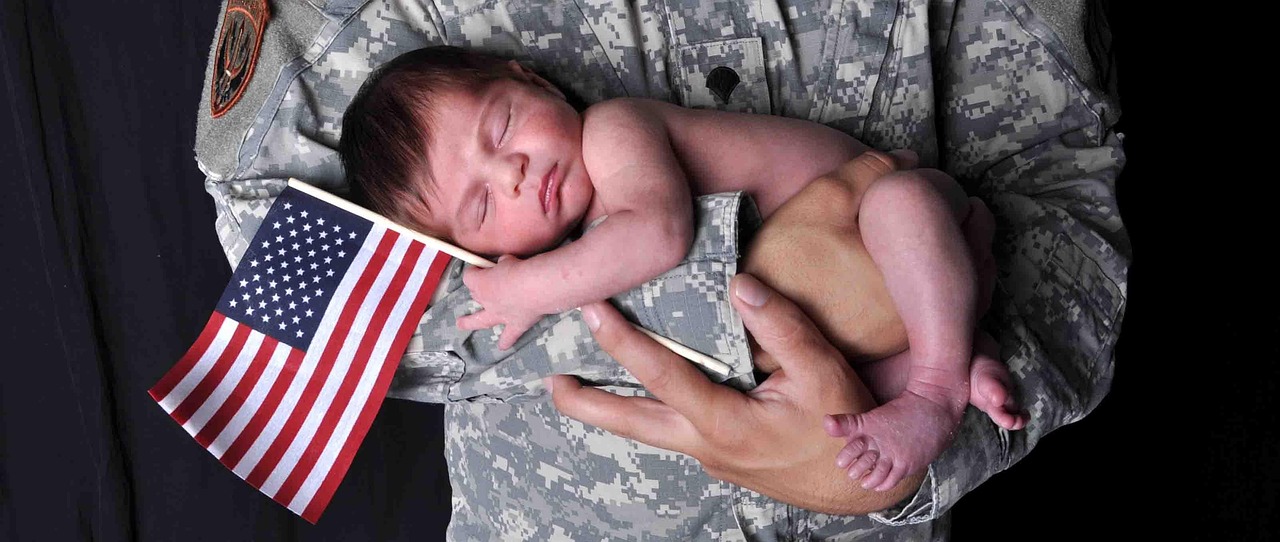
Properly displaying the American flag is a sign of respect and patriotism. Always fly it face-out, at half-staff if mourning, and at least 30 feet above the ground. When hanging vertically, the blue field should be in the top left corner. On special days like Flag Day or the 4th of July, organize community events to show your patriotism and educate others about the flag's history and symbolism.
Key Takeaways
- Respectfully display flags at half-staff to honor deceased individuals or significant national events, following local guidelines.
- Choose flags made of durable, high-quality materials to ensure longevity and maintain their appearance, especially for outdoor use.
- Properly clean and store flags to prevent damage, extending their lifespan; use mild soap and cool water, then hang or roll them for storage.
- Fly flags at night only when illuminated, to increase visibility and avoid unintentional disrespect.
- Respect cultural and historical significance of symbols on flags; understand their meanings and avoid displaying them inappropriately.
- When displaying multiple flags together, ensure they are of equal prominence and treated with equal respect.
- Consider the environment when selecting flagpole accessories, choosing wind-resistant hardware for optimal stability and safety.
The patriotic flag, a powerful symbol of national pride and unity, deserves proper care and display. In a nation as diverse as ours, understanding flag etiquette is essential to foster respect and unity. However, with a plethora of flag types, sizes, and designs, navigating the rules of display can be challenging. This guide aims to empower individuals and communities to display the patriotic flag with pride and precision.
- Choosing the Right Flags for Your Patriotic Store
- Understanding Flag Display Rules and Regulations
- Setting Up Indoor and Outdoor Flag Displays
- Caring for Your Flags: Cleaning, Storing, and Repair
- Incorporating Flags in National and Community Celebrations
- Top Tips for Displaying Flags in Your Patriotic Flag Store
Choosing the Right Flags for Your Patriotic Store

Choosing the right flags for your patriotic store involves a blend of understanding your customers, your space, and the symbolism of each flag. In a patriotic flag store, you're not just selling fabric and design; you're offering pieces of history and pride. Consider the diverse range of patrons who visit your store-from history buffs to those looking to show their support for current events. Each will have unique preferences and needs.
American flags are a staple, but think beyond the standard options. Incorporate historical flags to appeal to enthusiasts, or display international flags to cater to a global audience. When displaying flags on patios or in homes, remember that different fabrics have distinct care requirements. Polyester flags are easy to maintain and suitable for outdoor use, while cotton and linen flags require more delicate handling and indoor hanging. The way you decorate with American flags can significantly impact the overall atmosphere of your store. Use them as focal points, framing entryways, or hanging them from ceilings to create a dynamic and engaging environment. Don't forget the power of show support with patriotic goods on Flag Day celebrations; these events offer an excellent opportunity to boost sales and engage with the community.
Beyond selecting flags, your store's flag display rules and regulations are crucial. Properly folding, storing, and hanging flags demonstrates respect for their history and significance. For custom patriotic flags, visit us at flag display rules and regulations custom patriotic flags made anytime to ensure your unique designs are displayed with the same care and consideration as standard flags. Remember, the how to care for a flag process is as important as the initial purchase. Educate your customers on proper flag cleaning and storage to ensure their flags last for years to come.
Understanding Flag Display Rules and Regulations
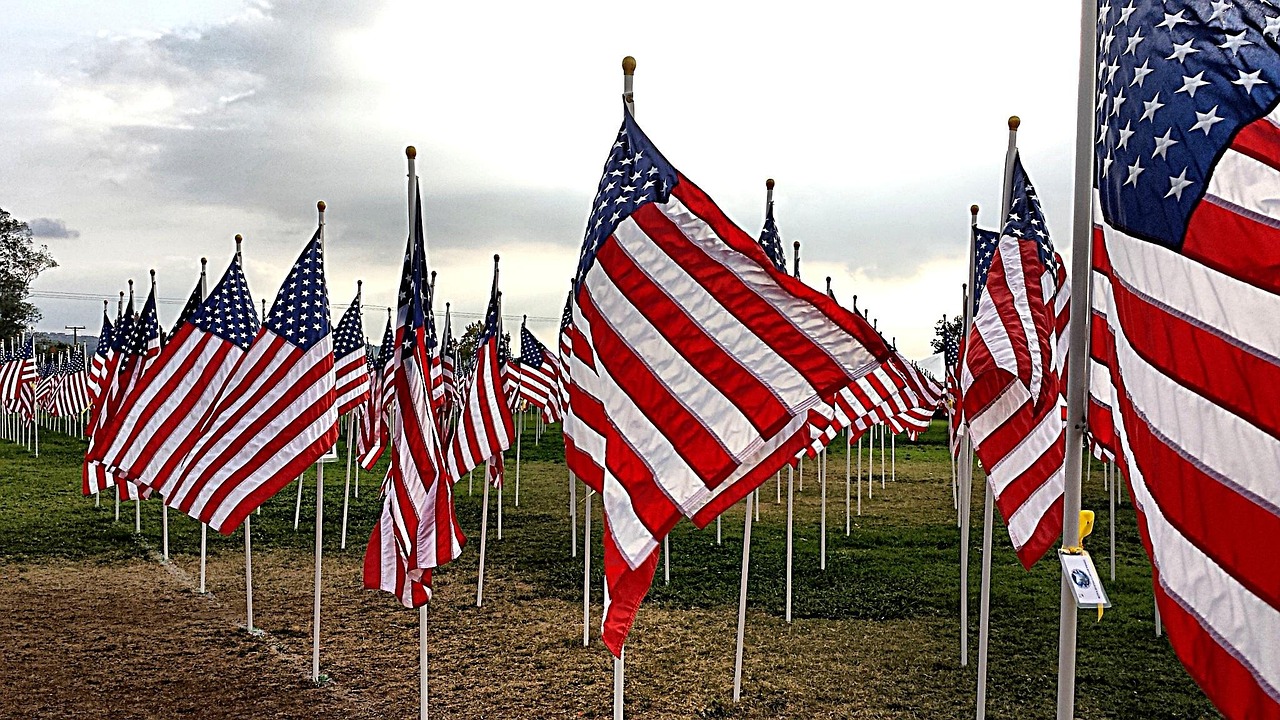
Understanding Flag Display Rules and Regulations is paramount when representing your patriotism or honoring our nation's heritage. From the Smithsonian National Museum of American History to the U.S. Department of State, institutions and organizations have established guidelines for proper flag display. These rules, often referred to as the Flag History Society's standards, ensure respect and dignity for the flag, reflecting its profound symbolism and history.
The importance of flying a flag properly cannot be overstated. The Flag Standards and Specifications, widely recognized by the Flag Manufacturers Association, outline specific guidelines for size, placement, and care. The flag should be hung at the same height as other flags when displayed together, and it should not touch the ground or any object beneath it. When hung vertically, the union (the blue field with fifty stars) should be at the top and to the left. These rules apply to both indoor and outdoor displays, with the latter requiring weather-resistant fabric, such as polyester, supplied by reputable outdoor fabric suppliers.
Comparing patriotic symbols and their meanings is integral to understanding the flag's significance. Decorative flag wall hangings, available from many patriotic flag stores, can serve as educational tools for families and communities. These displays can spark conversations about American history, values, and the symbols that represent us on both a national and personal level. The stars on the flag represent the fifty states, while the stripes commemorate the original thirteen colonies. By understanding these meanings, individuals can appreciate the flag's depth and the sacrifices it represents.
Proper flag display extends to special occasions and events. The Event Planners Association recommends integrating flags into your event design while adhering to safety and care guidelines. This might involve securing flags to flagpoles or using indoor flag displays for homes, ensuring they are treated with the same respect as any other cherished item. The Department of Veterans Affairs (VA) offers resources for honoring military service with honorary flags, further emphasizing the importance of these display rules and regulations in showing support for our nation and its defenders.
Setting Up Indoor and Outdoor Flag Displays
Setting Up Indoor and Outdoor Flag Displays: Proper Display Guidelines
When displaying flags indoors or outdoors, proper etiquette and visual presentation are essential to show respect and honor. For a patriotic flag store, understanding these guidelines is crucial to serving customers and ensuring cultural sensitivity.
Indoor Displays require careful consideration of placement and lighting. Hang flags at eye level, typically 7-10 feet above the floor, allowing them to be viewed easily. Ensure they are secured properly to avoid drooping or tangling. For larger indoor spaces, multiple flags can be displayed in rows or columns, with a suitable distance between each to prevent overcrowding. When displaying flags with historical significance, such as those from specific battles or eras, place them in a prominent location to give them the attention they deserve. Consider framing or matting to protect the flag and enhance its aesthetic appeal, especially for rare or valuable pieces.
Outdoor displays present unique challenges due to varying weather conditions. For outdoor flagpoles, ensure the pole is sturdy and of appropriate height, typically between 30 to 40 feet, allowing the flag to fly proudly. Flags should be made of weather-resistant materials like polyester or nylon to withstand exposure. Regular cleaning and maintenance are vital to prevent dirt and stains, which can be more noticeable in outdoor settings. In public spaces, local laws and regulations regarding flag display should always be followed, such as those governing the size and placement of flags on government buildings. When displaying multiple flags outdoors, allow enough space between them to avoid a cluttered appearance. This allows each flag to fly freely and makes the overall display more visually appealing.
Caring for Your Flags: Cleaning, Storing, and Repair
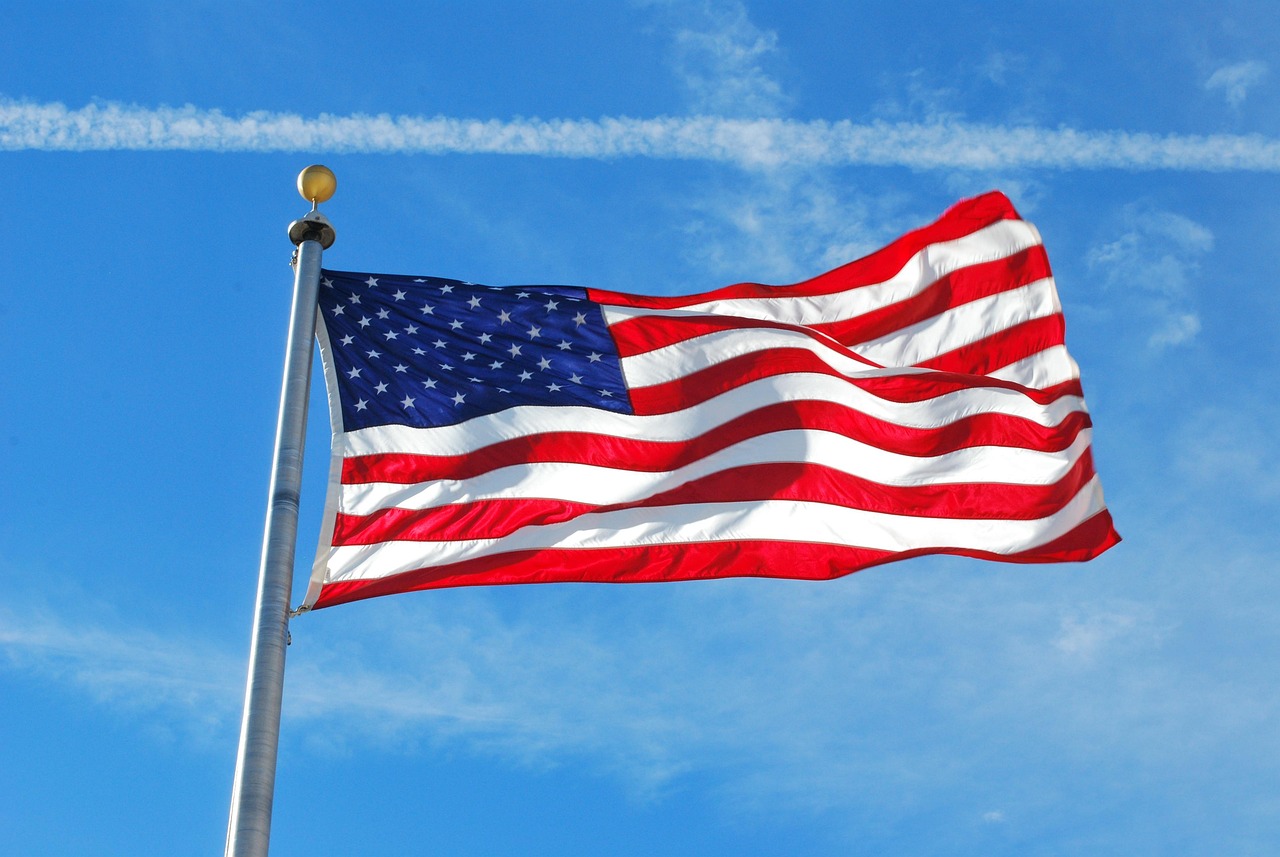
Proper care ensures that your flags, whether they're historical or modern, remain vibrant and durable. Start with regular cleaning to prevent dirt and stains from accumulating. For most flags, a gentle wash with mild soap and warm water, along with a soft brush, is sufficient. Follow up with a thorough rinse and hang the flag to dry completely. Avoid using bleach or other strong chemicals, as they can damage the fabric.
Storing flags properly is crucial, especially for those not in use. Keep them in a cool, dry place, away from direct sunlight and heat sources. Fold flags neatly and store them in acid-free containers or bags to prevent creases and fading. If you're planning a long-term storage, consider using a protective covering to guard against dust and insects. The Flag Standards and Specifications, a guide published by the Flag Manufacturers Association, offers detailed advice on proper flag storage and handling.
Repairs are an essential part of flag care. Tears or holes can be mended with a good quality fabric adhesive. Ensure the flag is clean and dry before repairing. For more extensive damage, consider replacing the flag. While it's important to preserve history, using a worn or heavily damaged flag can compromise its integrity and appearance.
Incorporating Flags in National and Community Celebrations

Incorporating Flags in National and Community Celebrations: A Practical guide
For celebrating national and community events, flags play a significant role in fostering a sense of unity and pride. A patriotic flag store is often the go-to resource for individuals and organizations seeking to display flags appropriately during these special occasions. Proper flag display etiquette ensures that the symbolism and history behind each flag are respected. During National Flag Day, which is celebrated annually on June 14th in the United States, the flag is prominently featured in parades, community gatherings, and school events. This is a time when flag stores see a surge in demand for American flags, as well as state and regional banners, to be flown proudly and in accordance with established guidelines.
National celebrations, like Independence Day or Memorial Day, provide another opportunity to incorporate flags as a central element in the festivities. The U.S. Department of State offers detailed flag display guidelines for such occasions, emphasizing the importance of correct flag positioning and respect for its history. During a Fourth of July parade, flags should be securely attached to poles or displayed from buildings, always facing upwards and with the blue field at the top. Following these protocols ensures that flags are treated with the dignity they deserve, reflecting the values and history they represent.
Community celebrations, from local festivals to sports events, also benefit from thoughtful flag incorporation. Flag manufacturers often collaborate with event planners to create visually stunning displays that capture the spirit of the occasion. A town's annual harvest festival might feature a colorful array of regional flags, highlighting the diverse agricultural heritage. Similarly, a sports event could incorporate flags of participating countries, fostering a sense of global community and friendly competition. These displays not only add to the visual appeal but also serve as powerful educational tools, especially for younger generations, teaching them about different cultures and histories.
Top Tips for Displaying Flags in Your Patriotic Flag Store
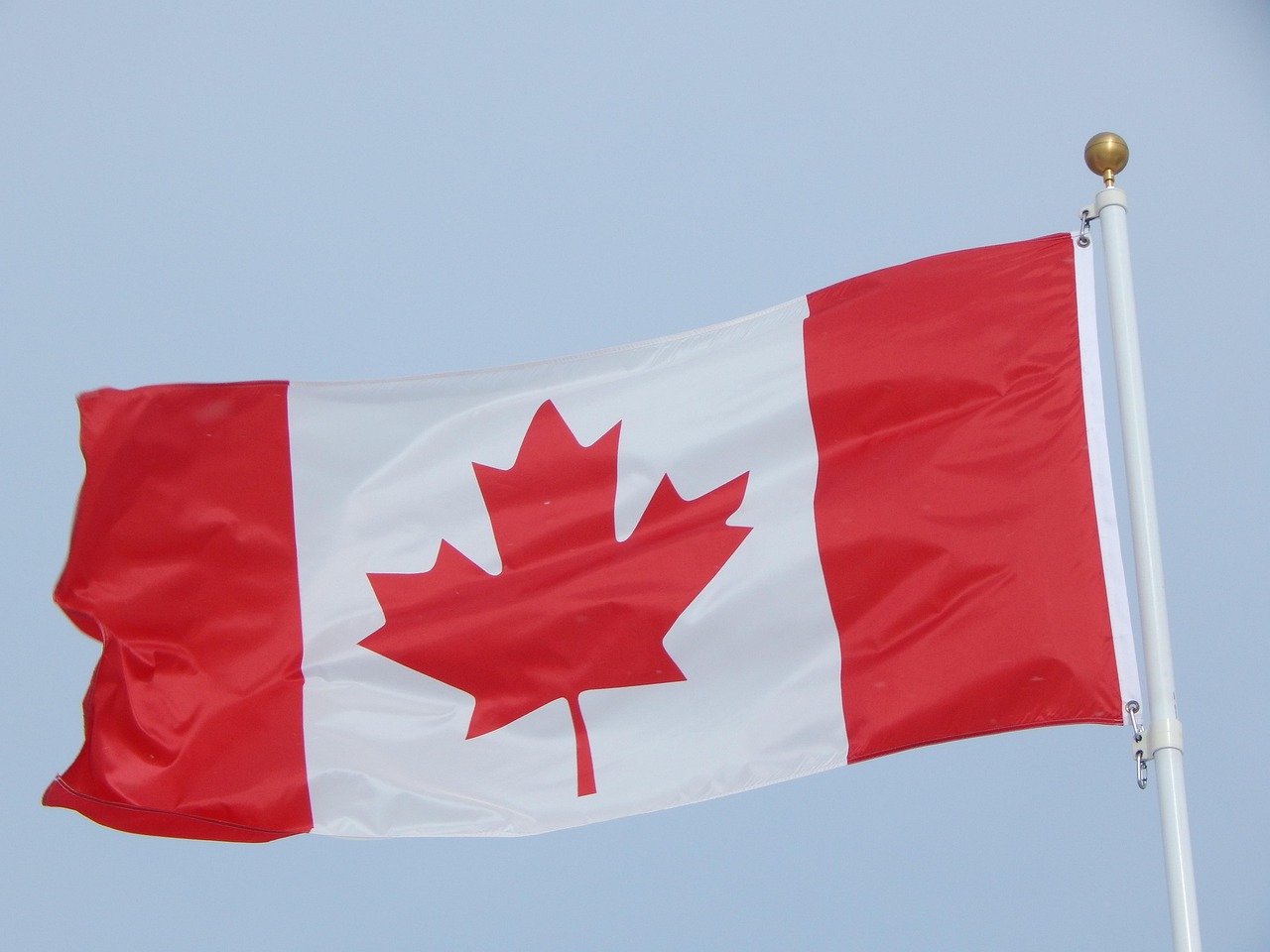
For displaying flags in your patriotic flag store, a few simple guidelines can ensure your customers appreciate the rich history and symbolism behind each one. First and foremost, understand the context. Different flags hold distinct meanings, whether they represent a nation, region, or historical event. Educate your staff about the symbolism and significance of the flags you sell to facilitate informed discussions with customers. The Stars and Stripes evokes a deep sense of national pride, while Confederate flags remain a contentious issue, requiring sensitive handling.
Next, pay close attention to display height. According to the Flag Standards and Specifications, a flag should be flown at a height that allows it to be easily seen and respected. Typically, this means raising it to the top of a pole, especially during special occasions. Ensure your store's flags are securely fastened and at the appropriate height to avoid damage or disrespect. Consider the environment. Outdoor flags should be made from weather-resistant materials like polyester to withstand the elements. Protect delicate fabrics by bringing indoor flags out only for specific displays or events.
Another crucial aspect is orientation. Always fly flags with the union (or top) segment to the left when viewed from the front. This tradition dates back to military parades and ensures the flag appears correctly, especially when photographed or streamed online. Finally, respect the flag's age. Historic flags, like those from the Civil War era, are valuable artifacts. If you display such items, ensure they are stored and handled with care. Consult with experts, such as those at the Smithsonian National Museum of American History, to determine the best way to preserve and exhibit these pieces, ensuring they remain accessible for future generations.
Frequently Asked Questions About Flag Etiquette Proper Display Guidelines
What is the appropriate way to display a flag, especially during ceremonies?
When flying a flag, whether during ceremonies or daily use, follow these guidelines:
- Ensure the flag is clean and in good condition.
- Display it at a height that allows it to fly freely, typically half-staff (halfway between the top and bottom of the pole).
- During ceremonies, use a ceremonial flag if available, and follow specific guidelines provided by the event organizer or relevant authority.
- Always respect the flag's position; it should never be placed below any other flag or object.
- When lowering the flag, do so slowly and with respect, allowing it to touch the ground before folding it neatly.
How should I handle a flag that has seen significant use?
When a flag is worn or damaged, it should be retired with respect. Here's how:
- Inspect the flag for any damage or signs of wear.
- Cut off any frayed or damaged sections to prevent further deterioration.
- Fold the flag neatly according to established guidelines, typically into a triangle or a rectangular shape.
- Present the flag for retirement in a dignified manner, often at a special ceremony or by giving it to a veteran's organization.
- Some communities have flag burning ceremonies for worn-out flags, but ensure this is done safely and respectfully.
What is the correct way to fly a confederate flag, if at all?
The Confederate flag, a highly contentious symbol, should be treated with extreme caution. Its display is often a source of debate and can evoke strong emotions.
- Avoid Public Display: Due to its controversial nature, the Confederate flag is generally discouraged for public display, especially on government properties.
- Historical Context: If displaying it privately, do so within a historical context, such as in a museum or educational setting, with appropriate sensitivity and explanation.
- Respect and Sensitivity: Understand that the flag is a powerful symbol with complex meanings, often associated with slavery and racial oppression. Its display can be deeply offensive to many.
How do I know when a flag is inappropriate for display?
A flag's display should always be appropriate for the setting and respect the values and sensitivities of those around you. Here's how to determine when a flag is not suitable:
- Local and National Laws: Familiarize yourself with local and national laws regarding flag display, which may prohibit or restrict certain types of flags, especially those deemed offensive or controversial.
- Cultural Sensitivity: Consider the cultural and historical context of the flag. Flags associated with hate groups or promoting discrimination should not be displayed, as they can cause harm and offend.
- Public Space: In public spaces, flags should not be used in a way that promotes discord or violates community standards.
What are the best practices for displaying flags at public events?
When organizing or attending public events, follow these best practices for flag display:
- Event Guidelines: Always check the event's official guidelines or contact the organizers to understand their policies regarding flags.
- Respectful Placement: If flags are displayed, place them prominently but respectfully, ensuring they are not obstructing or overshadowing the main event.
- Safety Measures: Take note of any safety considerations, such as securing flags to prevent them from becoming a hazard or being stolen.
- Diverse Representations: Include a variety of flags to represent different cultures and backgrounds, fostering inclusivity.
- Educational Opportunities: Use the event as an opportunity to educate attendees about the history and significance of flags, promoting cultural understanding.
A Community Reconciling Confederate Flag Disputes: A Flag Etiquette Case Study
Situation
A small, historically diverse town in the American South was grappling with a contentious issue: the display of Confederate flags on private properties. While some residents flew the flags as symbols of regional heritage and pride, others viewed them as reminders of a painful past and a source of ongoing racial tension. Tensions had been escalating, with heated public discussions and even isolated incidents of vandalism between residents with opposing views. The town's historical society, tasked with preserving local history, was caught in the middle, struggling to find a solution that respected both the past and the present.
Action
The historical society organized a series of community workshops and public forums, bringing together residents from all walks of life. They enlisted the help of local historians, cultural sensitivity experts, and representatives from the town's diverse ethnic and cultural groups. Through these open dialogues, participants explored the history behind the Confederate flag, its varying interpretations, and the emotional responses it evoked.
The workshops focused on teaching proper flag etiquette and the importance of historical context. Participants learned about the evolution of the flag throughout the Civil War and Reconstruction eras, as well as its modern uses and abuses. They discussed the differences between Confederate battle flags, historical artifacts, and contemporary cultural appropriation, emphasizing the need for respectful and appropriate displays.
The society also introduced best practices for flag display, including:
- Respecting Personal Space: Residents were encouraged to consider the impact of flag displays on their neighbors. They should respect private property boundaries and avoid flying flags in ways that might be offensive or intrusive.
- Contextual Awareness: Flags should be displayed in appropriate contexts, such as historical sites, museums, or memorial events, where their meaning can be understood and appreciated within a broader historical framework.
- Education and Dialogue: The society promoted ongoing conversations about the flag's symbolism, encouraging residents to educate themselves and engage in respectful dialogue with those holding differing views.
Result
Through these collaborative efforts, the town achieved a newfound level of understanding and respect for diverse perspectives. The historical society's initiatives led to a significant decrease in public incidents related to Confederate flag displays.
A survey conducted among town residents six months after the workshops revealed:
- 72% said they now displayed flags differently or had taken down previously displayed flags due to newfound awareness.
- 68% felt the community was better equipped to handle disagreements about flag displays, citing the workshops as a valuable learning experience.
The town's efforts were widely recognized, with local media highlighting the successful reconciliation process. This case study became a model for other communities grappling with similar issues, demonstrating the power of open dialogue, education, and respect for historical context in resolving contentious flag disputes.
Quick Reference
- Identify the type of flag: Understand the difference between historic, symbolic, or contemporary uses.
- Check local laws: Familiarize yourself with regulations governing flag display in your area.
- Respect historical context: Avoid displaying flags in a way that distorts or glorifies the past.
- Consider context and audience: Ensure the flag's display is appropriate for the setting and viewers.
- Respect cultural sensitivities: Be mindful of how different communities may interpret the flag.
- Research flag's origin: Understand the historical and cultural significance behind the design.
- Avoid offensive combinations: Do not pair the flag with symbols or slogans that promote hate or discrimination.
- Properly care for flags: Store and display them according to guidelines to preserve their integrity.
Proper Display vs. Inappropriate Use: Civil War Flags Compared
This comparison explores the appropriate and inappropriate use of civil war flags, highlighting the importance of context, sensitivity, and historical accuracy.
| Feature | Proper Display | Inappropriate Use |
|---|---|---|
| Key Features | Respectful, educational, and historically accurate representations of the Civil War era. | Misrepresenting history, promoting racial or regional superiority, or causing offense to descendants of enslaved people. |
| Best Use Cases | Museums, historical sites, and educational institutions to convey historical context and promote understanding. | Parades, rallies, or other public gatherings with political or ideological agendas, particularly when associated with white supremacy or neo-Nazism. |
| Strengths | Fosters learning, appreciation for history, and remembrance of the sacrifices made during the war. | Spreads harmful stereotypes, promotes hatred, and perpetuates divisiveness. |
| Limitations | Can be difficult to determine what is factual and what is romanticized or inaccurate, requiring careful curating and context. | Lacks historical context and can be easily manipulated for malicious purposes. |
| Cost/Performance | Can range from minimal (reproducing flag designs digitally) to significant (acquiring rare or period flags). | Can be inexpensive (printing banners) but often involves expensive legal battles and community relations management. |
Understanding the proper display of flags, especially those with historical significance like Confederate flags, is crucial for fostering sensitivity, respect, and a nuanced historical understanding. By following best practices for choosing, displaying, and caring for flags, individuals and communities can honor the past while promoting positive social interactions. From selecting the right flags for specific contexts to understanding the global etiquette surrounding them, each step contributes to a harmonious coexistence of symbolism. This guide, informed by historical expertise and cultural sensitivity, aims to empower individuals to navigate the complex world of flag usage, ensuring that our collective past is both commemorated and respected.
A patriotic flag store caters to a diverse customer base, offering not just flags but historical and cultural significance. Stocking iconic American flags is essential, ensuring accessibility for future generations. Consider your clientele's varied interests and needs, from historical enthusiasts to those supporting current events, to create a well-rounded and appealing selection.