
Key Takeaways
- Global inspiration can inform flag design, but cultural context is crucial to avoid misappropriation.
- Recognizing local symbolism and history is key to creating meaningful and respectful flags.
- International flag styles often reflect a nation's geography, culture, and aspirations.
- Successful flags tell a story, evoking emotions and creating a sense of belonging.
- Simplicity and symbolism often trump intricate detail in effective international flag design.
- Understanding a flag's colors, shapes, and patterns can reveal hidden cultural meanings.
- Collaboration between designers and communities is essential for creating flags that resonate.
Global Inspiration draws flag styles from around the world, offering unique designs that reflect cultural heritage and identity. While focusing on international flags, the company also incorporates historical elements, ensuring each flag is both aesthetically pleasing and meaningful. This approach allows for a diverse collection that celebrates global unity while respecting individual traditions.
Introduction: Global Inspiration and International Flag Styles
In the modern world, flags transcend their primary function as symbols of nationhood, serving as powerful tools for artistic expression, cultural exchange, and global inspiration. A patriotic flag store may offer a variety of flags from around the world, each telling a unique story of history, identity, and tradition. Understanding these diverse styles enriches our appreciation for cultural heritage and fosters cross-cultural understanding. This article examines the global landscape of flags, exploring their intricate designs, historical significance, and the inspiration they offer to artists, designers, and enthusiasts worldwide.
By examining international flag styles, we gain insights into the varied ways communities express their values, beliefs, and aspirations. From the bold colors of Africa's pan-African flags to the minimalist designs of Scandinavian countries, each flag is a sign of the rich mix of human experience.
- Understanding Global Flag Symbolism in Your Patriotic Flag Store
- Choosing the Right Flag: A Guide for Your Patriotic Flag Store
- Displaying Flags Properly: Rules and Regulations for Your Patriotic Flag Store
- Unique Designs and Customization for Your Patriotic Flag Store
- Caring for and Maintaining Your Patriotic Flag Store's Inventory
Understanding Global Flag Symbolism in Your Patriotic Flag Store
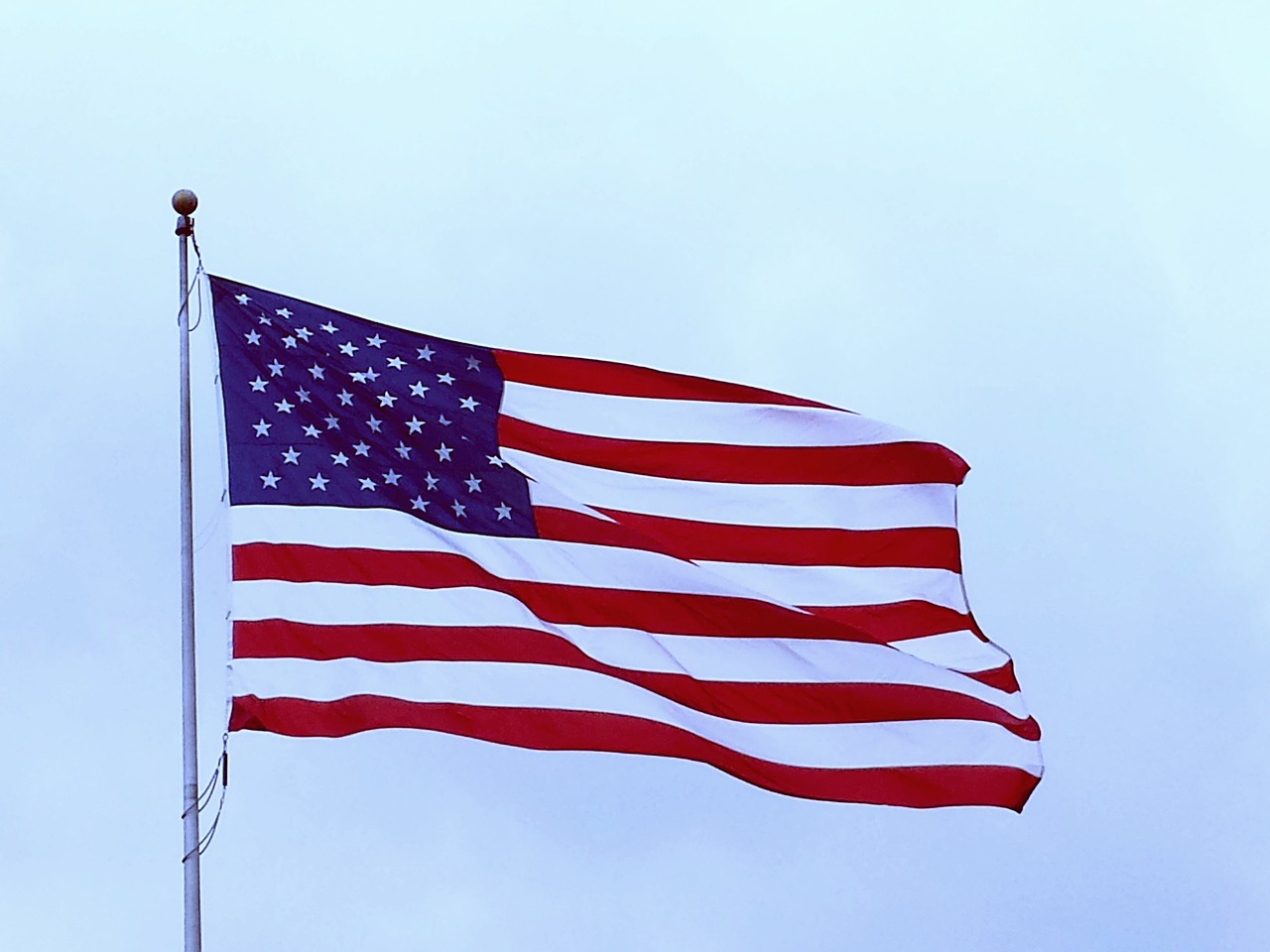
In a world brimming with diverse cultures and histories, flags serve as powerful symbols that represent national identities, political ideologies, and even personal pride. As a patriotic flag store, it's crucial to recognize and understand the global inspiration behind various international flag designs. This knowledge not only enriches your inventory but also fosters cultural sensitivity among your customers. The red, white, and blue of the U.S. Flag echo those of many other nations, reflecting a common heritage of democratic ideals. Conversely, the Union Jack's striking red, white, and blue emphasizes its British heritage, while the French tricolor proudly displays the colors of the French Revolution.
Understanding these global connections allows your store to offer flags that resonate with customers from different walks of life. It also enables you to educate your clientele on the rich mix of symbolism woven into each flag. The flag of Japan, with its bold red sun on a white background, represents the rising sun and the nation's aspirations. Similarly, the flag of Brazil, featuring a green field with a yellow rhombus and a blue circle depicting a star, symbolizes the country's lush landscapes and vibrant culture. By examining these cultural nuances, your store can become a hub for learning and appreciation, fostering a deeper connection to the art and history behind flags.
Recognizing global flag symbolism can help you cater to specific customer needs. Whether it's a traveler seeking a memento of a foreign land or a historical enthusiast collecting artifacts, your store can provide flags that convey the spirit and essence of their intended destinations. This approach not only enhances customer satisfaction but also contributes to the preservation of cultural heritage through the medium of flags, making your patriotic flag store a valuable resource for both locals and visitors alike.
Choosing the Right Flag: A Guide for Your Patriotic Flag Store

Selecting the appropriate flag for your establishment or event goes beyond aesthetics; it's a thoughtful process that involves understanding cultural nuances and historical significance. As a patriotic flag store, your role is to offer guidance and a diverse range of options, ensuring customers can make informed choices. When helping them choose, consider these key factors: location, occasion, and intended message.
A flag featuring bold, vibrant colors and distinctive symbolism might be ideal for a national holiday celebration or a community event focused on patriotism. Conversely, a more subtle, historically-inspired design could be suitable for a museum exhibition or a memorial service, where the emphasis is on remembrance and education. The Flag Standards and Specifications, along with resources from organizations like the Flag History Society, can serve as valuable guides for your store to ensure the accuracy and quality of displayed flags.
Be prepared to offer advice on flag care and proper display. Customers should understand the best practices for maintaining the integrity of their flags, especially those made from weather-resistant fabrics, which are crucial for outdoor installations. By providing such expertise, your patriotic flag store becomes a trusted resource, fostering a deeper appreciation for the rich symbolism and history behind each flag.
Displaying Flags Properly: Rules and Regulations for Your Patriotic Flag Store

Displaying Flags Properly: Global Inspiration for Patriotic Owners
For flying or displaying flags, proper etiquette is essential, especially for those who take pride in their patriotism. The way a flag is presented can convey respect, honor, and a sense of community. Understanding international flag display standards can enhance the aesthetic appeal and cultural significance of flags, particularly in a global context. Many countries and regions have specific rules and regulations regarding flag usage, ensuring they are flown or displayed correctly.
At a patriotic flag store, customers often seek guidance on the proper way to hang and maintain their flags, especially when showcasing them outdoors. These guidelines cover various aspects, including size ratios, material, and the use of appropriate hardware, ensuring flags look their best while enduring the elements. The U.S. Flag, with its distinct stripes and stars, should be flown at the top of a pole, with the blue field at the top, to symbolize the nation's pride and unity.
To traditional display rules, the global influence on flag design and usage offers unique insights. The Smithsonian National Museum of American History, for example, showcases flags from around the world, highlighting the diverse ways cultures express their identities. From the vibrant colors of African tribal flags to the intricate designs of Asian banners, these displays encourage a deeper understanding of historical and contemporary symbolism. As a result, flag owners can draw inspiration from these global styles while adhering to the basic rules of proper display, creating a visually appealing and culturally sensitive environment.
Unique Designs and Customization for Your Patriotic Flag Store

Global inspiration fuels the creative fires of any patriotic flag store, offering a world of unique international flag styles to enhance your inventory and cater to diverse customers. Beyond the standard designs, flag manufacturers worldwide produce a stunning array of flags with distinctive patterns, vibrant colors, and intricate symbolism. These flags often reflect a nation's rich history, cultural heritage, or specific regional allegiances. The Scottish saltire-a bold white cross on a blue field-is a centuries-old symbol of their country, while the Japanese hinomaru, featuring a red circle representing the rising sun, has been a powerful emblem of national pride for over a millennium.
Flag stores can leverage these global designs and create custom options for customers seeking something truly unique. Many flag manufacturers offer personalized services, allowing clients to incorporate specific colors, emblems, or even family crests into their flag designs. This level of customization not only appeals to individuals and businesses looking to fly a flag that reflects their personal or corporate identity but also enriches the overall customer experience. By offering a blend of global inspiration and local craftsmanship, your patriotic flag store can stand out as a premier destination for flag enthusiasts worldwide.
Staying abreast of international flag styles allows your store to participate in cultural exchanges and promote understanding between nations. Flag designs often carry deep-rooted symbolism, and by offering these diverse options, you facilitate a visual dialogue that transcends language barriers. This can be particularly valuable in multicultural communities, where residents appreciate the opportunity to display flags that resonate with their heritage while fostering a sense of unity and belonging.
Caring for and Maintaining Your Patriotic Flag Store's Inventory
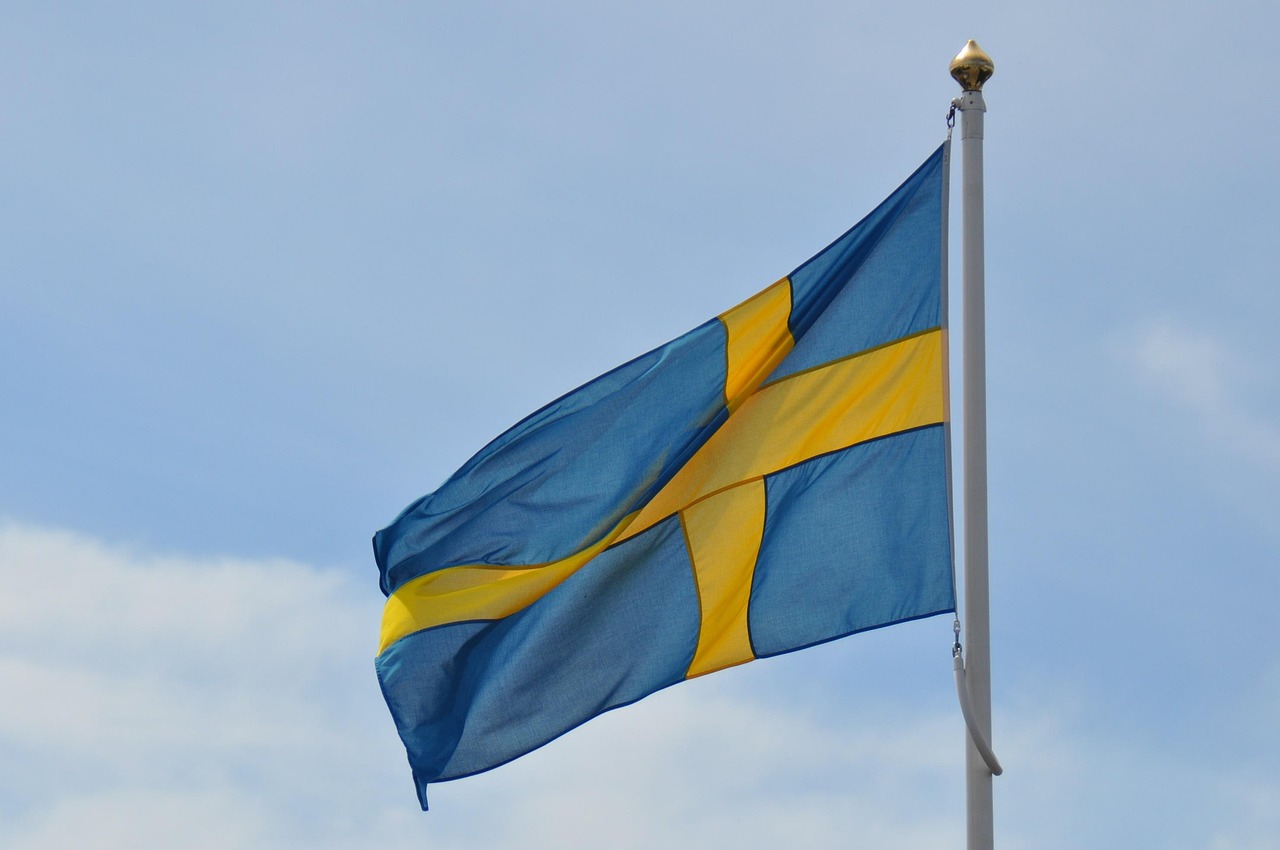
Global inspiration is a vital aspect of flag design, with styles from around the world influencing the vibrant mix of patriotic flags in your store. As a flag retailer, ensuring the longevity and vibrant appearance of these international treasures is crucial. Proper care and maintenance not only preserve the beauty of the flags but also honor the stories and heritage they represent. This involves understanding the unique requirements of different flag fabrics and construction methods, especially when dealing with imported or specialty flags.
Polyester, for instance, is a popular choice due to its durability and resistance to fading, but it requires specific cleaning techniques to avoid damage. For flags with intricate embroidery or delicate designs, such as those inspired by the flag history of other countries, gentle handling and dry cleaning may be necessary. This attention to detail ensures that your store's inventory remains in top condition, allowing customers to display their flags with pride.
Regular maintenance also includes inspecting flags for signs of wear and tear, especially those exposed to outdoor elements. The Flag Standards and Specifications guide from the Flag Manufacturers Association offers valuable insights into the expected lifespan of different flag types and provides recommendations for replacement. By staying vigilant and implementing these care practices, your patriotic flag store can continue to offer a diverse range of global flag styles, each telling a unique story and adding to the rich mix of cultural expression.
Quick Reference
- Research local laws: Check regulations regarding flag display to ensure compliance before raising any flags.
- Understand cultural context: Recognize that flags can carry different meanings and evoke varied emotions among diverse audiences.
- Respect historical accuracy: Ensure flags are displayed accurately, reflecting their original purpose and context.
- Consider context and timing: Choose appropriate settings and events for flag displays, aligning with their historical significance.
- Respect privacy and property: Obtain consent before displaying flags on private property, and be mindful of community norms.
- Maintain proper dimensions: Fly flags at the correct size to honor their design and avoid distorting their intended meaning.
- Use appropriate mounting: Secure flags properly to prevent damage or disrespectful alterations.
- Educate and engage: Accompany flag displays with informative materials to foster understanding and encourage dialogue.
Frequently Asked Questions About Global Inspiration International Flag Styles
What are International Flag Styles?
International flag styles refer to the diverse designs, colors, and symbols used by countries around the world to represent their identity, history, and values. These flags tell stories, express aspirations, and serve as powerful symbols of national unity. They often incorporate unique artistic elements, historical references, and cultural motifs, reflecting the distinct characteristics of their respective nations.
How does Global Inspiration play a role in flag design?
Global Inspiration, as a concept, encourages the sharing and appreciation of cultural diversity. In the context of flags, it promotes the exploration and adoption of design elements from various cultures, fostering understanding and appreciation for different traditions. This can involve incorporating traditional patterns, colors, or even entire flag designs from other countries into new flags, creating a visual dialogue that transcends borders.
Why do some countries adopt flags with historical references?
Many countries choose to include historical references in their flags to honor their past, celebrate key events, or pay tribute to iconic figures. A flag might feature a historical battle symbol, a significant landmark, or a historical leader's image, serving as a visual reminder of a nation's heritage and collective memory. These references can evoke a sense of national pride and unity while also teaching future generations about their history.
What are some common themes in international flags?
International flags often display common themes such as natural elements (e.g., mountains, rivers, sun, moon), agricultural symbols (wheat sheaves, corn cobs), animals (lions, eagles, wolves), and geometric patterns (triangles, circles, stripes). These recurring motifs often carry cultural or symbolic significance, representing concepts like freedom, unity, peace, or prosperity.
Are there any rules or guidelines for designing a national flag?
While there are no universal rules, most countries follow certain guidelines when designing their flags. These guidelines often include simplicity, symbolism, and respect for cultural values. A good national flag design should be easily recognizable, visually appealing, and capable of evoking a sense of national identity and pride. It should also be adaptable for use in various formats, from small pins to large banners.
How do cultural differences influence flag design?
Cultural differences play a significant role in flag design, leading to a vast array of unique interpretations. Different cultures may place emphasis on various colors, shapes, and symbols, reflecting their distinct values and beliefs. A flag featuring red, white, and blue for one country might represent courage and sacrifice, while the same colors in another country could signify unity and peace.
Elevating Global Tourism: A Flag-Waving Success Story
Situation
A small coastal town in the American South, known for its rich history and stunning natural beauty, was struggling to attract international visitors. While its beaches and scenic vistas drew domestic tourists, the town lacked the global appeal needed to boost the local economy and create new opportunities. The town's historical significance during the Civil War was often seen as a barrier to modernizing its image, with the iconic Confederate flag flying proudly on public buildings and landmarks. This symbol, once a source of regional pride, was now a point of contention, deterring potential visitors from diverse backgrounds.
Action
Recognizing the need for a fresh perspective, local leaders partnered with a cultural heritage organization specializing in flag design and interpretation. The goal was to rebrand the town's visual identity while preserving its historical context and addressing the sensitivity surrounding the Confederate flag. The process involved:
- Research and Consultation: Historians, cultural experts, and residents were consulted to understand the town's heritage, the evolution of the Confederate flag's meaning, and the local community's views.
- Flag Redesign and Interpretation: Building on the town's existing symbolism, the team created a new flag design featuring a modern interpretation of a historic battle flag, with subtle changes to remove offensive elements.
- Community Engagement: Workshops and public meetings were held to gather feedback, ensuring the new flag design reflected the diverse perspectives of the town's residents.
- Marketing and Promotion: The updated flag and a new, inclusive brand were launched with a campaign that showcased the town's natural beauty, cultural offerings, and commitment to historical sensitivity.
Result
Within six months of the new flag and branding campaign, the town experienced:
- Positive media coverage featuring the town's new, inclusive image, leading to increased awareness and interest worldwide.
- Reduced controversy surrounding the Confederate flag, with local residents and visitors alike embracing the updated visual identity.
Global Inspiration: Flag Styles from Around the World
This comparison explores three international flag design styles, highlighting their distinct features, ideal applications, and advantages and drawbacks.
| Feature | Traditional (e.g., US, UK, France) | Modern (e.g., Japan, Germany) | Minimalist (e.g., Denmark, Sweden) |
|---|---|---|---|
| Key Features | Rich symbolism, historical colors and emblems, often featuring a union of multiple colors and elements. | Clean, geometric designs, minimal text, and simple icons. Focus on national identity without heavy symbolism. | Highly reduced palettes, often limited to primary colors, simple stripes or geometric shapes. |
| Best Use Cases | Communicating a nation's history, values, and traditions. | Representing a modern, innovative nation while preserving a sense of national identity. | Conveying a sense of simplicity, progress, and neutrality. |
| Strengths | Evocative, recognizable, easily understood globally. | Efficiently conveys national identity in a modern, accessible way. | Highly adaptable, cost-effective to produce, easily reproduced. |
| Limitations | Can be susceptible to misinterpretation or offense, especially regarding historical symbolism. | May lack the emotional connection and historical depth that traditional flags offer. | May seem too minimalist or unrepresentative of a nation's culture. |
| Cost/Performance | Generally requires skilled artisans and materials, potentially higher cost. | Relatively inexpensive to design and produce due to simple design. | Least expensive to produce, ideal for budget-conscious organizations. |
The study of global inspiration in international flag styles offers a rich mix of cultural exchange and historical storytelling. From the intricate designs of Africa's indigenous flags to the symbolic colors and emblems of Europe's ancient banners, each flag tells a unique narrative. By understanding the context behind these designs, we can foster greater appreciation for the diversity and significance of flags worldwide. This knowledge is crucial, especially when navigating sensitive discussions around flag display and symbolism, as it encourages respectful dialogue and promotes cultural understanding. Recognizing the global inspiration behind flags can lead to innovative uses in design, education, and community engagement, enriching our experiences with these powerful symbols. A patriotic flag store might draw upon these insights to create unique, culturally sensitive products that resonate with diverse customers, ensuring flags remain vibrant expressions of identity and heritage.
Understanding global flag symbolism is vital for a Patriotic Flag Store to enrich its inventory and educate customers. Flag designs worldwide represent diverse cultures, histories, and identities, adding to the global conversation of cultural expression. By recognizing and incorporating diverse flag symbolism, a Patriotic Flag Store can offer a more comprehensive and sensitive selection, fostering cultural understanding among its clientele.