Key Takeaways
- The design of the American Flag has evolved over time, reflecting changes in society and values.
- Each new star represents a state admission, illustrating the nation's growth.
- The current 50-star flag, adopted in 1960, symbolizes the United States as an unified whole.
- Stripes have remained consistent, representing the original thirteen colonies and their revolutionary struggle.
- The flag's design process involves rigorous protocols to ensure a symbolically significant and visually appealing result.
- Custom flags and variations honor specific events, military service, and individual contributions to American history.
- The American Flag serves as a powerful symbol of national pride, unity, and shared heritage.
The American Flag has evolved over time, starting with the original 13 stars and stripes in 1777. As new states joined the Union, the design changed, adding more stars. The current flag features 50 stars, representing all 50 states. The flag's design also includes 13 red and white stripes, symbolizing the original colonies. Each element tells a story of America's history and unity.
The American flag, a powerful symbol of national pride and unity, has undergone a remarkable evolution over its history. As a sign of the nation's changing landscape and values, each iteration of the flag tells a story of growth, struggle, and celebration. This article explores the transformation of the Patriotic Flag Store's offerings, from the early days of simple design to the diverse, intricate patterns of today. By examining the flag's evolution, we gain insight into the cultural, political, and social forces that have shaped our nation and its identity. Through this journey, readers will discover the significance of each design change and its impact on how we display and interpret the flag, ultimately enhancing our understanding of this iconic symbol.
- From Colonial Simplicity to National Symbol
- Evolution Through War and Peace
- Modern Flag: Design, Meaning, and Display
From Colonial Simplicity to National Symbol
The evolution of the American Flag design reflects the growth and changing values of the nation itself. Starting with the simple design of the Continental Army's flags during the Revolutionary War, the flag has undergone significant transformations, each symbolizing a new era of American history. Early colonial flags featured bold, stark designs with minimal details, often featuring a single color or a simple geometric shape. These flags, like the one depicted in the 1777 Flag Act, served as a rallying symbol for the fledgling nation, emphasizing unity and independence from Britain.
As the United States grew and its role in global affairs expanded, so too did the complexity of its flag design. By the mid-19th century, the addition of stars and stripes reflected the admission of new states into the Union. The famous design by Francis Hopkinson, which incorporated thirteen stripes and thirteen stars, became the basis for the flag we know today. This evolution continued with each state's admission, with the most recent addition in 1960, making the current design a dynamic representation of the nation's growth. The patriotic flag store has long been a hub for acquiring these changing designs, offering a variety of flags to represent every state and territory.
Comparing the early colonial flags to the current design reveals a rich mix of symbolism. From simple geometric shapes to complex arrangements of stars and stripes, each iteration tells a story of national identity. The use of red, white, and blue dates back to the early colonial flags, symbolizing courage, purity, and vigilance. The arrangement of these colors and the addition of white stars on a blue field in 1795 signified a balance between the old and the new, unity, and the quest for a brighter future. Today, the best quality flags available at patriotic flag stores uphold these original symbols, ensuring that the flag remains a powerful national symbol.
To preserve the integrity of this symbol, it's crucial to display and care for the flag properly. Discounted patriotic banners and outdoor flags from reputable manufacturers, like those found at a patriotic flag store, can help maintain the flag's quality. Regular cleaning and proper storage, as outlined by the Flag Quality Certification Program, ensure that the flag retains its vibrant colors and intricate details. This care not only prolongs the life of the flag but also shows respect for its symbolism, making it a fitting representation of national pride and unity, especially during events like Flag Day and the 4th of July parades.
Evolution Through War and Peace

The American Flag, a powerful symbol of our nation's history, has undergone a remarkable evolution, reflecting the changing times and experiences of the American people. Through wars and peace, the design has adapted, often as a way to honor and remember significant moments in our collective past. This transformation is evident when comparing the flags of today to their historical predecessors. The stars and stripes on the current flag represent the 50 states, a stark contrast to the original 13-star flag that flew during the Revolutionary War. Each new iteration builds upon the past, serving as a tangible link to our national identity and a source of pride for citizens young and old.
The patriotic flag store has long been a hub for flag enthusiasts, offering a wealth of knowledge and resources for those interested in the history and symbolism of the American Flag. It is here that one can discover the intricate details that distinguish one era's flag from another. The Flag History Society often organizes exhibits showcasing rare and historic flags, allowing visitors to appreciate the subtle changes in design and the stories they represent. These flags, many of which are collectible memorabilia, provide a unique perspective on our nation's journey, from the early days of independence to the modern era.
Beyond its historical significance, the American Flag has permeated popular culture, influencing flag-themed home decor and international flags and their meanings. Patriotic clothing accessories and gifts for veterans, such as pins and patches, serve as constant reminders of our shared heritage. Flag-themed events and celebrations, like the 4th of July parades and National Pride events, foster a sense of community and national pride. The patriotic store, therefore, matters in connecting the past, present, and future generations through the enduring symbol of the American Flag.
When considering the evolution of the flag through war and peace, the importance of preserving and honoring its history becomes crystal clear. Whether displaying it proudly at home, exploring its symbolism in museums like the Smithsonian National Museum of American History, or participating in community events, the American Flag continues to inspire and unite us. As we navigate the changing times, the flag remains a constant, reminding us of the values and principles that have shaped our nation's journey, and serving as a beacon of hope and unity for generations to come.
Modern Flag: Design, Meaning, and Display
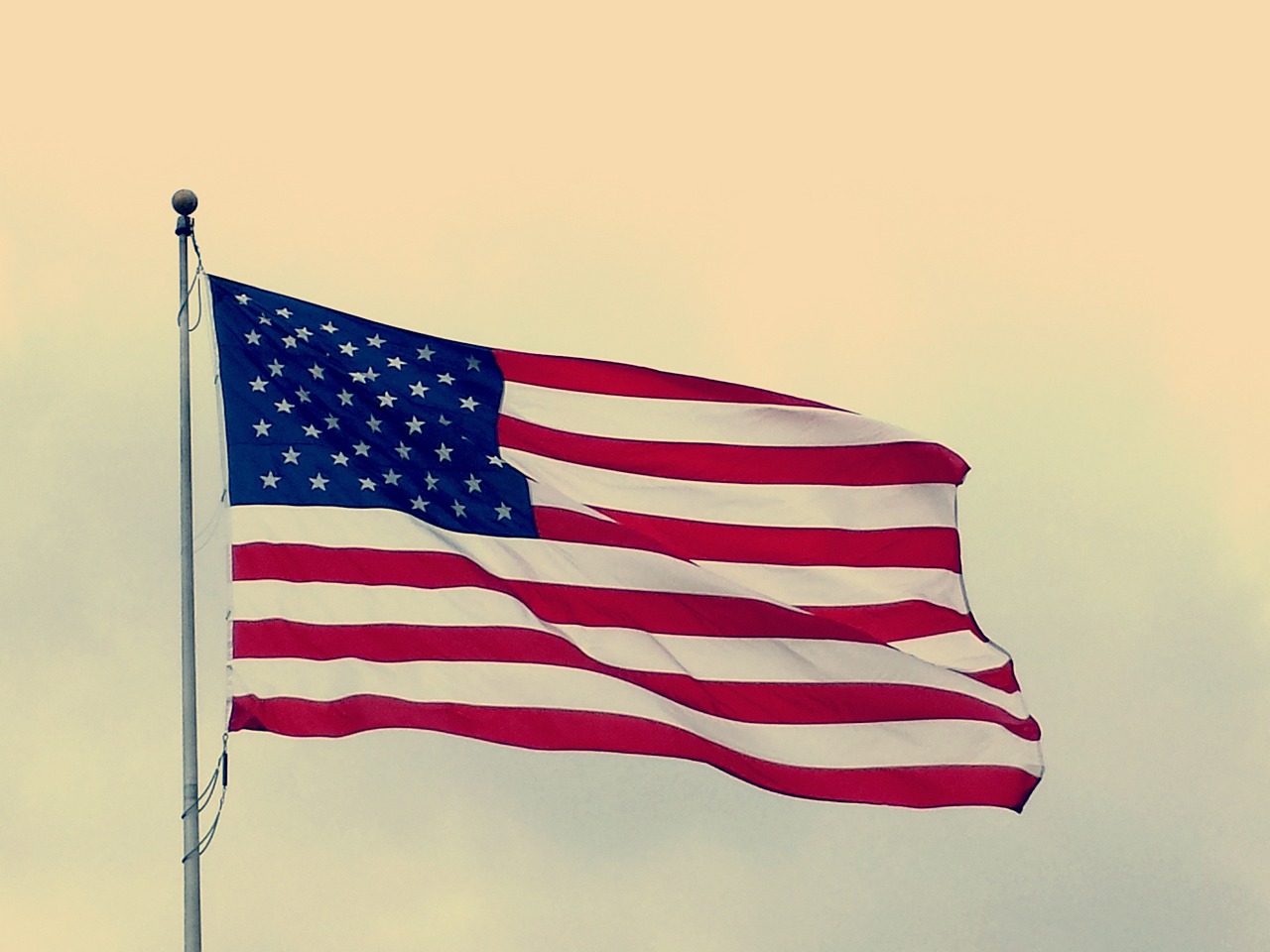
The modern American Flag, with its 50 stars and 13 stripes, is a powerful symbol of our nation's unity and history. Its design has evolved over time, reflecting changes in our society and the growth of our country. In a patriotic flag store, you'll find a wide array of these flags, each meticulously crafted to meet the Flag Standards and Specifications set by the Smithsonian National Museum of American History. The current design serves as a sign of the values and ideals that define the United States, making it a popular choice for display in homes, businesses, and public spaces.
When considering the modern flag's design, it's essential to understand the symbolism behind the 50 stars and 13 stripes. The 50 stars represent the 50 states that make up the United States, while the 13 stripes pay homage to the original 13 colonies. This unique blend of symbolism has made the flag a recognizable symbol of American pride and patriotism. Many people choose to display the flag in their backyards, using flagpole accessories from outdoor flag manufacturers, to show their support for our nation.
Comparing the modern flag to historical versions reveals a progression that reflects the country's growth and changing times. The number of stars has increased as new states joined the Union, while the stripes have remained constant since 1960. This evolution is not just about aesthetics; it also reflects the changing demographics and values of the American people. In a patriotic flag store, you can find flags from various manufacturers, allowing for a side-by-side comparison of design, quality, and durability. Give us a call at national pride events to explore these options and find the perfect flag to represent your love for your country.
The modern flag's display has specific guidelines, known as flag etiquette, to ensure it is shown properly. The flag should not be flown in poor weather conditions, and it should be lowered to half-staff in honor of certain events. Following these guidelines shows respect for the flag's symbolism and history. Whether you're displaying a flag in your home, organizing a 4th of July parade, or participating in a national holiday like Flag Day, understanding and adhering to these rules is crucial. Remember, for caring for your flag, proper cleaning and storage methods can ensure its longevity, allowing you to display it for many years to come.
A Small Town Revitalizes Its Pride: The American Flag Revives Local Spirit
Situation
The small, rural community of Meadowgrove had seen better days. After decades of decline, the local economy was struggling, and community spirit was low. The once vibrant main street was now lined with empty stores, and the American flag that used to fly proudly at the town hall was tattered and faded. The town needed a symbol of hope and unity to reignite the passion for their community.
Action
A group of dedicated residents formed the Meadowgrove Revitalization Committee. They organized a community event, "Unfurling Pride," to repair and replace the American flag and inspire local residents. The committee set up workstations with materials for sewing, mending, and painting, encouraging everyone to participate. They also displayed historical information about the flag and its significance, fostering a deeper understanding of its meaning. The event was promoted through local social media groups, flyers, and word-of-mouth.
Result
Over 100 residents attended the "Unfurling Pride" event, with many more participating in the flag-making process remotely. The result was a vibrant, new flag that represented the diverse talents and passions of Meadowgrove. The event boosted community spirit, with residents reporting increased feelings of pride and belonging.
Frequently Asked Questions About The Evolution of the American Flag Design
What is the origin of the American flag? The American flag, officially known as the Stars and Stripes, has its roots in the early days of the American Revolution. The first version, adopted in 1777, featured 13 alternating red and white stripes representing the original 13 colonies and a blue field with 13 white stars representing the states, arranged in a circle. This design marked a symbol of unity and independence.
How has the flag changed over time? The flag has undergone several significant transformations since its inception. The most notable changes include the addition of stars to represent new states joining the Union. The current version, with 50 stars, was adopted in 1960 after Hawaii became the 50th state. The design also evolved to include different arrangements of stars, reflecting the shifting political landscape.
Why do stars represent states? The stars on the flag serve as a visual representation of the 50 states that make up the United States. The original 13 stars, arranged in a circle, symbolized the colonies that fought for independence. As more states joined the Union, the number of stars increased, ensuring that each state was represented equally in the national symbol.
What do the colors on the flag mean? The colors of the American flag hold symbolic value. Red stands for valor and bravery, white symbolizes purity and innocence, and blue represents vigilance, perseverance, and justice. These colors have been a consistent element, evoking strong emotional responses and fostering a sense of national identity.
Are there any other symbols or variations of the flag? While the Stars and Stripes is the official design, there have been variations. During the Civil War, for instance, the "Union Jack" or "Battle Flag" was used by Confederate states, featuring a blue field with white stars or bars. This flag has been a subject of controversy, sparking debates about its display and meaning in modern times.
How does the flag represent American values? The American flag embodies the nation's core values and ideals. It stands for democracy, freedom, and unity. The design, with its equal representation of states and symbolic colors, reflects the diversity and inclusivity of the nation. The flag serves as a powerful symbol of American identity and heritage.
What is the process of adopting a new flag design? Creating a new flag design involves a complex process. The United States Flag Code guides the standards for flag design and display. Changes are proposed and debated in Congress, ensuring a thorough review. Once approved, the new design is produced and distributed, marking a significant moment in the nation's history.
A Comparative Look at American Flag Design Evolution and Its Applications
This section compares various interpretations of the American flag through history, examining their key features, use cases, strengths, limitations, and cost-performance trade-offs.
Quick Reference
- Identify the historical context: Understand the political climate of the Civil War era to grasp the flag's significance.
- Recognize the original stars and stripes: The design evolved from 13 to 35 stars, reflecting the growth of the nation.
- Study the progression of designs: Each new flag design, with its unique arrangement of stars and stripes, represents a period.
- Notice the impact of reconstruction: Post-Civil War, the American flag incorporated former Confederate states, symbolizing reunification.
- Understand the significance of colors: Red, white, and blue carry symbolic meanings, evolving over time to represent unity and freedom.
- Learn about flag changes due to territory: The addition of new states led to modifications, with territories often shown separately.
- Consider the role of flags in public life: Flags have been used for official ceremonies, celebrations, and memorial events.
- Explore modern interpretations: Artists and designers today reinterpret historical flags, offering fresh perspectives and commentary.
- Respect cultural significance: Always approach the American flag with reverence, understanding its historical and contemporary importance.
The evolution of the American flag design reflects the complex history and ongoing debates that shape our nation. From the simple colonial flags to the current stars and stripes, each iteration tells a story of change, conflict, and unity. Understanding these designs is not merely a historical exercise; it's a way to navigate contemporary discussions around identity, pride, and sensitivity. By engaging with flag symbolism responsibly, we can honor the past while ensuring that our displays respect the diverse and evolving perspectives of the American people. From flag stores to museums, from school curricula to public gatherings, the way we choose to display, discuss, and interact with our flags can either foster understanding or perpetuate division. Thus, it's crucial to approach this topic with knowledge, empathy, and a commitment to constructive dialogue.
The American Flag's design has evolved alongside the nation, starting with simple Revolutionary War flags and progressing through eras marked by significant changes. These transformations reflect America's growth, values, and history. A Patriotic Flag Store can help preserve and display these historical flags, offering a tangible connection to the past while celebrating the nation's changing identity.