Key Takeaways
Respectfully display the flag: Always fly the flag properly, with the blue field at the top, to show reverence and honor.
Proper size matters: The flag should be displayed in proportion to the building or structure, with a minimum size of 1.5 times the width of the entrance.
Lighting is crucial: Ensure flags are well-lit, especially at night, to show respect and prevent damage from poor visibility.
Resist excessive use: Avoid over-decorating with flags, allowing them to stand on their own as symbols of pride and patriotism.
Ultimate Flags Banner Honor special occasions: Display flags at half-staff for national mourning, and follow specific guidelines for ceremonial occasions.
Repair and maintain: Regularly inspect flags for damage and mend or replace them as needed to preserve their appearance and significance.
Educate and encourage: Teach others about proper flag etiquette and the symbolism behind the different elements of the flag.
Properly displaying the American flag is a sign of respect and patriotism. When hanging a flag indoors, it should be positioned above all other decorations and at least a few feet away from walls or windows. Outdoors, a flagpole is ideal, with the flag flying at half-staff until noon on days of mourning, and never allowing it to touch the ground. Always clean and store flags carefully to preserve their quality.
Flags, as symbols of national identity and pride, deserve our utmost respect and proper display. However, navigating the etiquette surrounding their use can be confusing for many. This article, tailored by the expertise of a leading patriotic flag store, provides comprehensive guidelines for flag etiquette and proper display. We'll explore best practices, historical significance, and practical tips for both indoor and outdoor settings, ensuring your flags honor their intended purpose. By following these guidelines, you'll not only show respect for the values they represent but also create a visually striking and meaningful display in any space, whether at home, in schools, or during special events.
- Understanding Flag Etiquette Basics
- Displaying Flags Properly: A Step-by-Step Guide
- Patriotic Flag Store: Choosing and Caring for Your Flags
Understanding Flag Etiquette Basics

Understanding the basics of flag etiquette is essential for anyone looking to display their patriotism in a respectful and appropriate manner. This involves more than just knowing how to fly a flag properly, as there are specific guidelines to follow for indoor and outdoor displays, as well as considerations for repairing and personalizing flags. When visiting a top-rated patriotic store near me, patriotic flag sets for sale are often accompanied by detailed information on the correct display practices. The Smithsonian National Museum of American History offers a practical guide on flag etiquette, emphasizing the importance of flying flags at half-staff for certain events and the proper placement of flags on poles and buildings.
One key aspect is understanding how to fly a flag correctly. Flags should be displayed brightly and freely, with their stars and stripes visible. Indoor flags should hang vertically, while outdoor flags should be positioned to catch the wind. When a flag becomes damaged, it's crucial to know how to repair it. Repairs can range from simple stitching to complete reweaving, depending on the extent of the damage. Many top-rated patriotic stores near me offer repair services or provide instructions on how to do it yourself, ensuring that cherished flags can continue to serve as a symbol of pride.
Personalized flags for events also require consideration of etiquette. Whether for a patriotic gathering or a military service, custom flags should be displayed with the same care as standard flags. When displaying a flag at a 4th of July parade, it's important to follow proper marching orders and ensure the flag is treated with the same respect as it would be in a static display. This includes knowing when to raise and lower the flag, as well as how to properly fold it for storage or transportation. These guidelines are not only a sign of respect for the flag itself but also for the values it represents.
Displaying Flags Properly: A Step-by-Step Guide

Displaying flags properly is a sign of respect and a way to honor the history and values they represent. Whether you're hanging an American flag indoors or flying it proudly outdoors, following established guidelines ensures your flag is displayed with dignity. This step-by-step guide is designed to help you navigate the proper etiquette for flag display, drawing from expert resources and best practices.
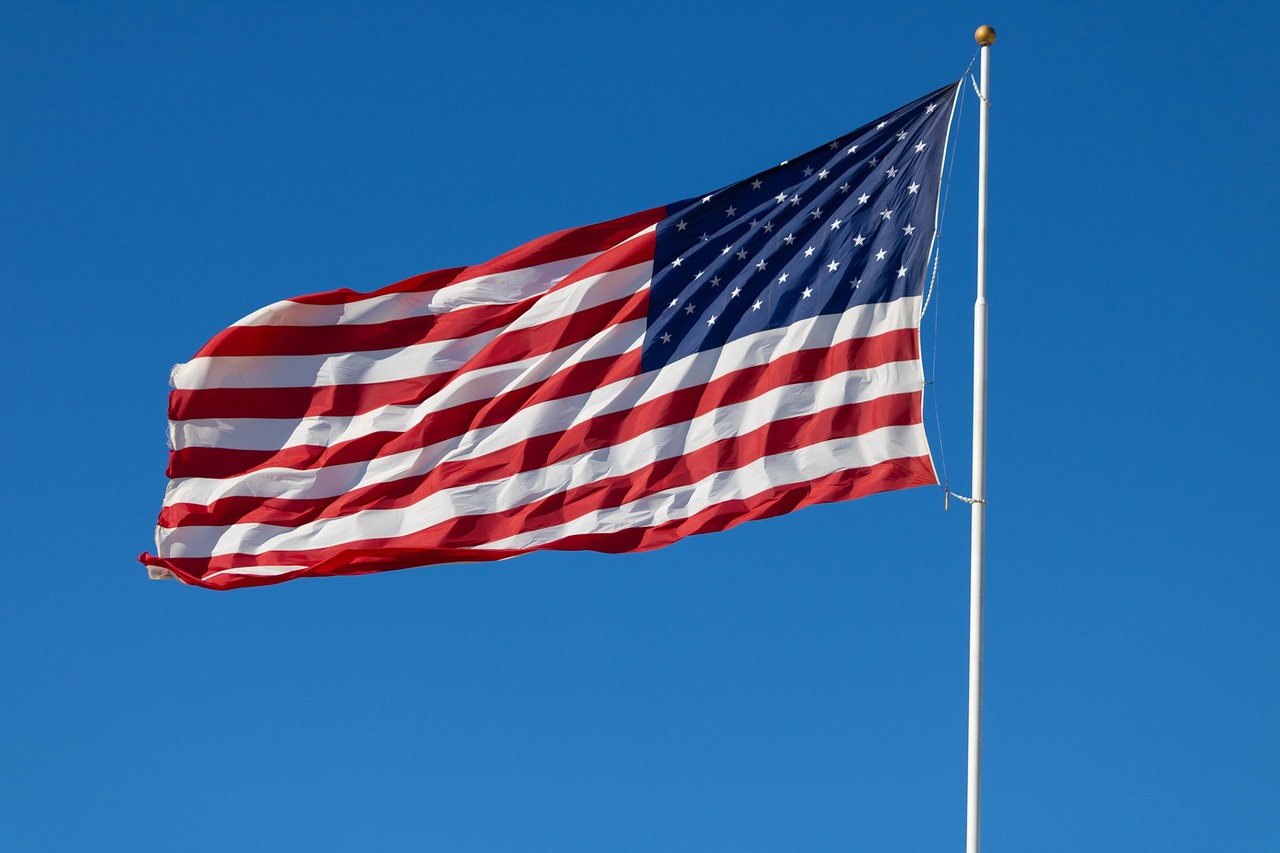
First, understand the symbolism of the flag you're displaying. The American flag, for instance, boasts 13 red and white stripes representing the original colonies and a blue field with 50 white stars symbolizing the 50 states. When hanging an American flag indoors, place it above and to the right of other flags or decorations. This position of honor reflects its significance as a symbol of national unity and pride. For outdoor displays, consider the size of your flag. Large flags, like those suitable for patios or yards, require sturdy flagpoles or hangers to withstand the elements. Indoor flag displays for homes and large outdoor flags for sale at a patriotic flag store can vary greatly in material and construction, so choose products designed for longevity.
Next, adhere to flag display rules and regulations. The U.S. Department of State recommends raising flags before dawn and lowering them after sunset. Always ensure flags are clean and in good condition. A top-rated flag brand offering custom patriotic flags made will not only provide a wide selection but also flags constructed from durable materials designed to withstand various weather conditions. When flying outdoor flags, take note of local ordinances and weather conditions. Some areas have specific guidelines on flagpole heights or restrictions during severe weather. Finally, give us a call at indoor flag displays for homes large outdoor flags for sale to discuss installation and care, ensuring your flags are displayed correctly and last for many years to come.
Patriotic Flag Store: Choosing and Caring for Your Flags
Choosing and caring for your flags from a patriotic flag store is a crucial aspect of displaying them properly. When selecting flags, consider the quality and material; long-lasting outdoor flags, for instance, are made from polyester or nylon, which are weather-resistant.
Proper display is key. The Smithsonian National Museum of American History provides guidelines suggesting flags should be flown at the same height as other flags, with the blue field at the top. They should not be flown at night unless illuminated. A patriotic flag store can provide a variety of accessories like flagpoles, brackets, and stands to help with display. When storing or cleaning flags, use mild soap and cold water; avoid bleach. The Flag Quality Certification Program ensures the flags you purchase meet specific standards, so you can rest assured they will withstand the elements.
Collectible flag memorabilia and decorative flag wall hangings can add a unique touch to your space. The U.S. Department of State notes that flags can be a powerful tool for teaching history and the symbolism on them, making them valuable educational resources. The patriotic flag store can be a one-stop shop for these items, offering not only flags but also pins, patches, and other related products.
Remember, proper care and display not only preserve the life of your flags but also honor their symbolic meaning. When displaying flags on patios or in outdoor spaces, consider using weather-resistant fabric manufacturers' products to ensure they withstand various weather conditions. Always follow the flag display rules and regulations, and don't hesitate to give us a call at your local patriotic flag store for expert advice on the best quality flags and top-rated flag brands.
Frequently Asked Questions About Flag Etiquette Proper Display Guidelines
What is the proper way to hang a flag? The flag should be hung vertically with the blue field (or left side for horizontal flags) at the top. The flag should not be draped or folded when not in use. For indoor displays, a flag stand or pole is recommended. If hanging from a wall, use two evenly spaced nails to secure the flag, ensuring it is not twisted.
When is the best time to display the American flag? The American flag should be displayed daily from dawn until sunset. If weather conditions prevent this, it should be flown at half-staff until the conditions improve. On special occasions like holidays, it can be flown at full staff.
What are the rules for displaying flags on a patio or balcony? Flags on patios or balconies should be securely attached to a post or pole. For safety, avoid hanging flags from nails or hooks, as strong winds could damage or tear them. Ensure flags are not obstructing lighting or safety features, like fire extinguishers.
How should I care for my flag? Regular cleaning is essential. Use mild soap and warm water to gently wash flags, avoiding bleach or harsh chemicals. After cleaning, allow the flag to air dry completely. Store flags in a cool, dry place, preferably in an acid-free fabric or box to prevent discoloration.
Can I fly a flag at half-staff? Yes, flying a flag at half-staff, also known as half-mast in some countries, is a sign of respect. This tradition dates back to the 16th century and is used to commemorate important events, like national tragedies or the death of public figures. The specific protocol for half-staffing varies by country and context.
What are some unique ways to display flags for special events? For events like 4th of July parades, consider using flag-themed banners or streamers. Personalized flags with event names or logos are popular for gatherings. For indoor events, decorative flag wall hangings or classroom flag displays add a unique touch. You can also create patriotic window decals for a creative outdoor display.
How do I know which flags to buy for different occasions? Consider the event's purpose and the message you want to convey. Flags with stars and stripes are ideal for celebrating American independence. International flags represent cultural diversity. Compare flag quality and design from top-rated flag brands, focusing on durability and accuracy.
Quick Reference
- Display Size Matters: Choose flags proportionate to their surroundings for optimal visibility.
- Correct Orientation: Hang flags vertically or horizontally, ensuring the blue field is always at the top.
- Respectful Positioning: Place flags above any other flags or decorations, never below or on a lower level.
- Lighting Considerations: Ensure flags are well-lit, especially at night, to maintain their appearance and respect.
- Flag Edging: Use a light-colored trim or border to enhance the flag's design and show respect.
- Weather-Safe: Store or secure flags properly during harsh weather conditions to prevent damage.
- Regular Cleaning: Clean flags as needed to maintain their integrity and represent them well.
- Respectful Retirement: When a flag becomes worn, retire it with dignity and consider repurposing or donating.
Comparing Popular Flag Display Options
This section compares three common ways to display flags, considering their key features, ideal use cases, strengths, limitations, and value for money.
Flag Display at a Veterans Memorial Park: Enhancing Respect and Community Engagement
Situation
A small town in a rural area was looking to honor its veterans and foster a sense of community pride. They had acquired a variety of American flags, including some vintage and hand-sewn versions, to display at their local Veterans Memorial Park. However, the flags were often improperly flown, leading to concerns about disrespect and disarray. The park's maintenance staff struggled to keep them looking presentable, and the community was divided on the best practices for flag display.
Action
The town's Parks and Recreation Department, in collaboration with a local patriotic flag store, organized a flag etiquette workshop for the community. The workshop was attended by veterans, park volunteers, and interested residents. The store's expert presented on the history and symbolism of the American flag, as well as the proper display guidelines as per the U.S. Flag Code. Following the workshop, a committee was formed to ensure consistent flag management. This committee:
- Installed a dedicated flagpole structure with a wind-resistant design to accommodate varying weather conditions.
- Developed a regular cleaning and maintenance schedule, including a system for rotating and repairing flags as needed.
- Established a protocol for special events, such as flag-raising ceremonies and momentous occasions, to ensure the flags were displayed appropriately and respectfully.
- Designed an educational program to involve local schools, teaching students about flag etiquette and the importance of patriotic symbols.
Result
The implemented guidelines and practices resulted in a significant improvement in the park's flag display. The community's engagement and pride increased, as evidenced by:
- Enhanced Respect: The consistent, respectful display of flags fostered a deeper appreciation for the sacrifices made by veterans and encouraged citizens to learn more about their country's history.
- Community Unity: The flag-related initiatives brought people together, strengthening the sense of community and patriotism among residents of all ages.
- Better Maintenance: The regular cleaning and rotation program extended the lifespan of the flags, reducing the need for frequent replacements. The dedicated pole structure also minimized damage from high winds.
- Educational Impact: The school programs reached over 500 students, instilling a deeper understanding of flag etiquette and its significance in American culture.
Mastering flag etiquette is essential for proudly displaying the symbols that represent our nation and its values. By following the guidelines outlined in this article, from understanding basic etiquette to selecting, displaying, and caring for flags, you've gained valuable insights into the proper treatment of patriotic flags. The Patriotic Flag Store serves as a key resource for acquiring flags and learning about their history and significance, emphasizing the importance of choosing high-quality products that meet specific standards. Now equipped with practical knowledge, you can ensure flags are flown with pride and respect, contributing to a spirit of patriotism and community. These guidelines are not just rules but a way to honor the rich history and symbolism behind every flag.
Understanding Patriotic Flag Display Etiquette
Proper flag display is a sign of respect and pride. Follow these guidelines for indoor and outdoor flags, and consider:
- Symbolism: Understand the meaning of stripes, stars, and other symbols.
- Placement: Display indoor flags vertically, outdoor flags where they'll catch the wind.
- Repairs: Learn how to repair or replace damaged flags.
- Personalization: Follow etiquette for custom flags in parades, events, and static displays.
- Store Resources: Top-rated patriotic stores offer guidance on display, repair, and flag quality.
Flag Care and Display Best Practices
- Choose Quality: Select durable flags from top-rated flag brands.
- Display Correctly: Follow rules for height, lighting, and wind conditions.
- Accessories: Use recommended poles, brackets, and stands for proper display.
- Cleaning: Use mild soap and cold water; avoid bleach.
- Education: Teach history and symbolism for patriotic events in schools and communities.
Patriotical Flag Store Services
- Varied Options: From standard to custom flags, plus accessories.
- Expert Advice: Guidance on flag display, repair, and best quality flags.
- Collectibles: Add unique history and symbolism to your space with decorative wall hangings and other memorabilia.