
The American Flag has evolved since its creation in 1777, reflecting changes in our nation. The original design featured 13 stars and 13 stripes, representing the original colonies. Over time, as new states joined the Union, the flag was updated, with the current 50 stars appearing in 1960. The 13 stripes remain, symbolizing the original 13 colonies. Each change has ensured the flag continues to represent the unity and diversity of the United States.
Key Takeaways
- The design of the American Flag has evolved over time, reflecting changes in society and values.
- Each new star represents a new state joining the Union, showcasing the nation's growth.
- The colors red, white, and blue hold specific meanings, symbolizing bravery, purity, and vigilance.
- The 13 stripes represent the original 13 colonies, paying homage to the nation's founding.
- The current design, with 50 stars, was officially adopted in 1960 after Hawaii's statehood.
- The flag's design has been a source of inspiration for other nations, influencing their flags.
- Over the years, the flag has been raised and lowered on numerous historic occasions, becoming a powerful symbol of American identity.
The American Flag, a powerful symbol of our nation's history and values, has undergone a remarkable evolution over the centuries. Understanding its design transformations is crucial, not just for patriots but for everyone who values the rich heritage it represents. By examining the evolution in a patriotic flag store's perspective, we gain valuable insights into the significance of every stripe and star, informing responsible display and appreciation.
- From Continental Stripes to Stars and Stripes
- Design Evolutions: A Century of Change
- The American Flag: Symbol of Unity and Pride
From Continental Stripes to Stars and Stripes

The evolution of the American Flag, from its inception as the Continental Stripes to the adoption of the Stars and Stripes, is a sign of the nation's growth and unity. This transformation reflects not only the addition of states to the Union but also the changing values and aspirations of the American people. The Continental Stripes, with their 13 alternating red and white stripes, were a symbol of the original 13 colonies and the revolutionary spirit that birthed our nation. Each stripe represented a state, evoking a sense of shared struggle and pride in the newly formed United States of America.
As the country expanded, the need for a new flag that accurately represented the growing nation became evident. The Stars and Stripes, with their 13 original stars arranged in a circle on a blue field, was introduced in 1777, shortly after the adoption of the U.S. Constitution. This design shift marked a crucial step in the flag's evolution, symbolizing the idea that the colonies, now states, were united under a single government. The arrangement of stars, originally based on the celestial constellations of the time, evolved over the years as new states joined the Union, with each new star representing a state added to the federal constellation.
The transition from the Continental Stripes to the Stars and Stripes is a powerful example of flag etiquette guidelines in action. As the nation changed, so too did its flag, reflecting a commitment to represent all citizens equally. Today, the American Flag, proudly displayed in patriotic flag stores and homes across the country, stands as a universal symbol of our nation's freedom, unity, and diversity. This evolution is not just about design; it's about the ongoing process of defining and rededicating ourselves to the principles that make America strong. When displaying the flag at half-mast, as a sign of mourning, we follow specific guidelines to honor our fallen heroes and express our grief, a poignant reminder of the cost of our freedom.
The Stars and Stripes has inspired a wealth of patriotic gear, from backyard flagpole accessories to decorative flag wall hangings, allowing individuals and communities to express their pride and support. Even in our modern, globalized world, the flag continues to be a focal point for national pride events, 4th of July parades, and flag day celebrations, connecting us to our collective heritage. When considering the purchase of a new flag, give us a call at discounted patriotic banners; many reputable patriotic flag stores offer high-quality options at affordable prices, ensuring that everyone can proudly display the stars and stripes.
Design Evolutions: A Century of Change
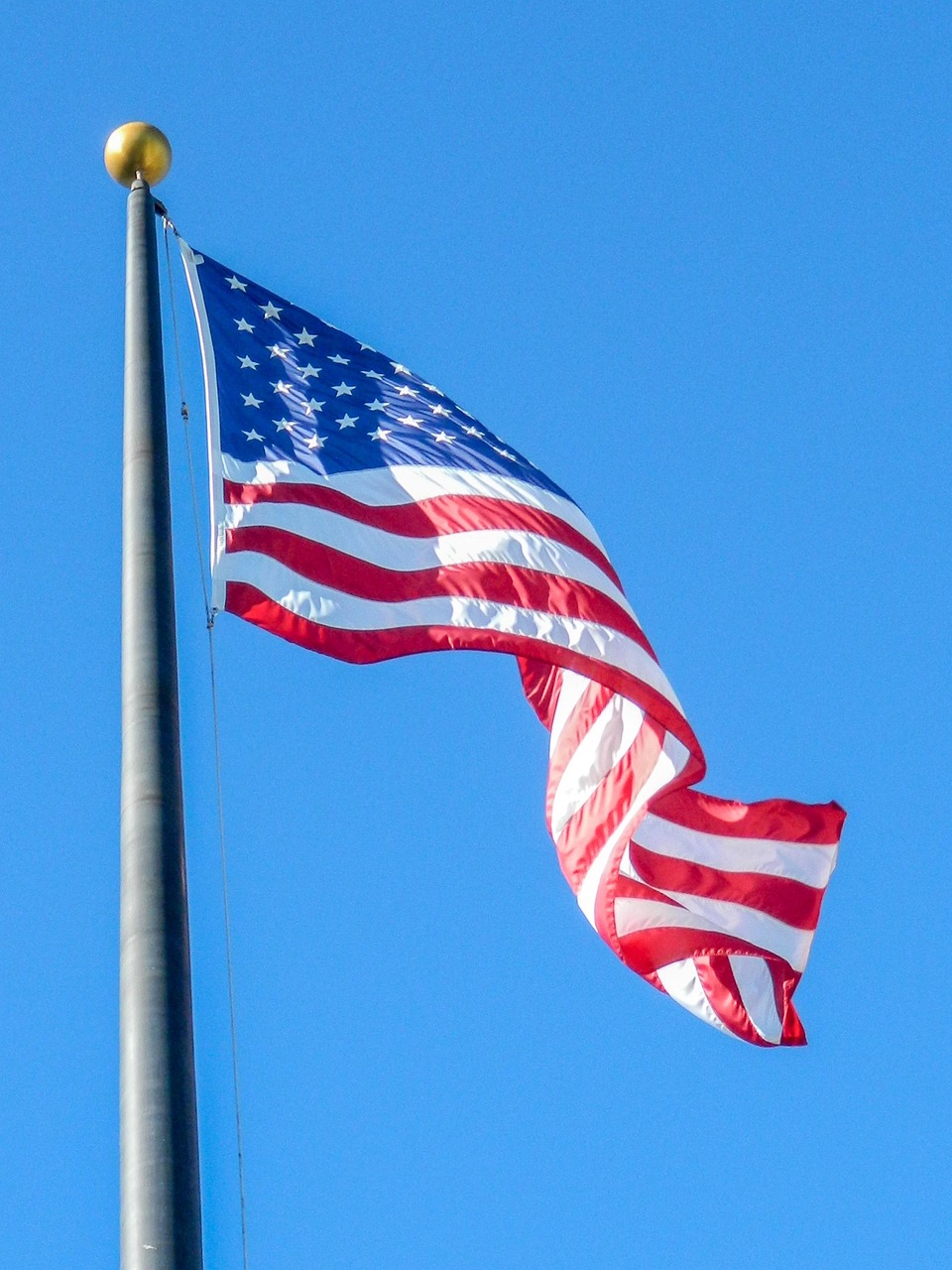
The evolution of the American Flag design is a fascinating journey reflecting not just the nation's growth but also its changing values, identity, and aspirations. Over a century, the flag has undergone subtle yet significant transformations, each one echoing the zeitgeist of its era. From the initial stars and stripes to the current design with fifty stars, the American Flag has served as a powerful symbol of unity, freedom, and national pride, inspiring both at home and abroad.
A closer look reveals that design changes have been driven by several factors. One of the most notable shifts occurred in 1960 when Hawaii became the 50th state, leading to the addition of a star to the blue field. This marked a pivotal moment, symbolizing the nation's ongoing expansion and embracing of a more diverse population. Similarly, the removal of the "Stars and Stripes" design in favor of the current "Betsy Ross" flag in 1977 reflected a growing emphasis on a more modern aesthetic and a desire to create a distinct visual identity.
The introduction of public school spirit American flag art prints and classroom flag displays has further enriched the way Americans interact with and celebrate the flag. These educational tools not only promote patriotism and history awareness but also provide a means to engage younger generations in understanding the flag's significance. Many schools now incorporate flag-themed lessons into their social studies curriculum, encouraging students to learn about the flag's symbolism and its role in shaping American society. The popularity of flags of the world guide and international flag displays has fostered a global perspective, inspiring cross-cultural conversations and appreciation for diverse cultural symbols.
To support these evolving needs, a patriotic flag store plays a crucial role. They offer not just a variety of flags but also educational resources, display hardware, and care products. Many stores now provide discounted patriotic banners, flag cleaning services, and even advice on how to care for and display flags properly, ensuring their longevity and respect. Whether it's for a classroom, outdoor event, or personal display, these stores cater to a wide range of customers, helping them navigate the rich history and symbolism of the American Flag.
The American Flag: Symbol of Unity and Pride
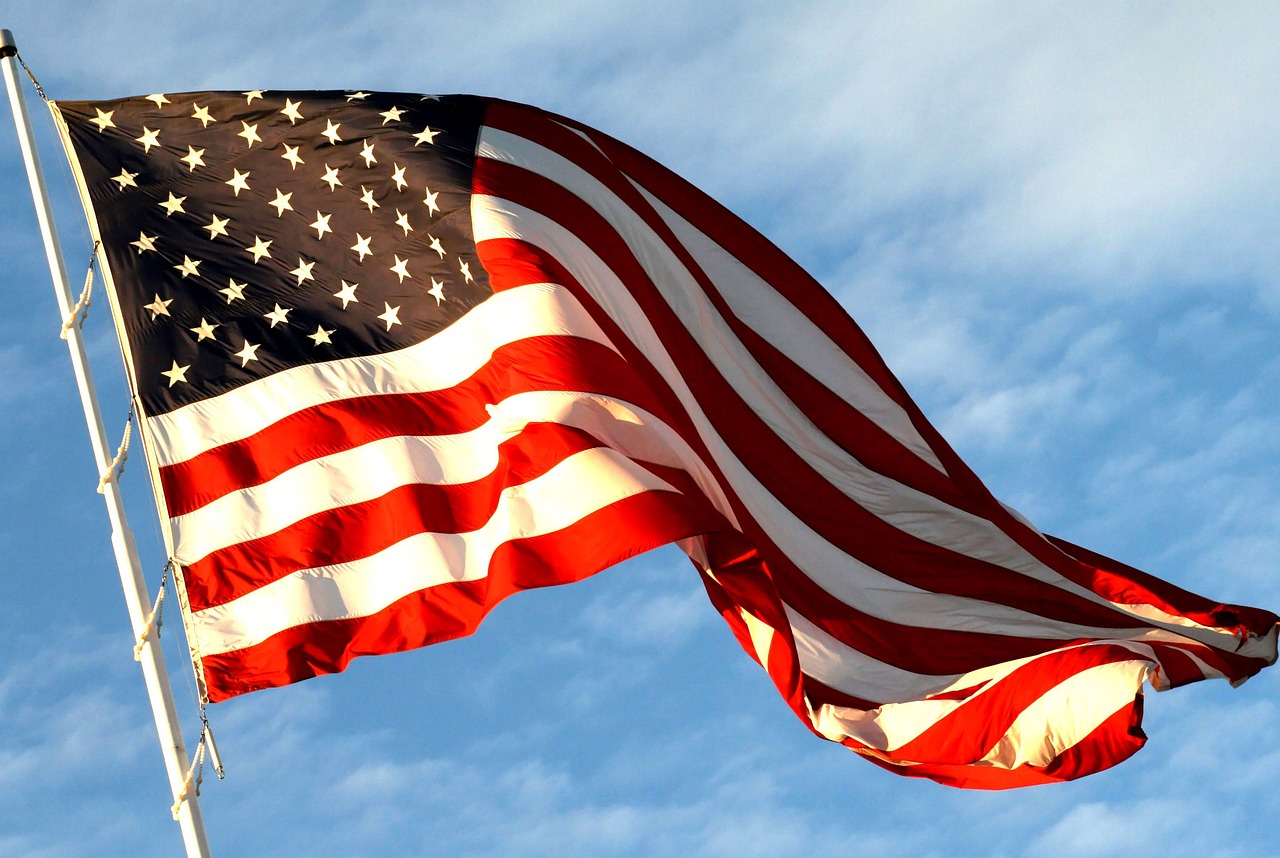
The American Flag, a symbol of unity and pride for Americans, has undergone a remarkable evolution over the centuries, reflecting the nation's growth and values. As a vibrant representation of our history and ideals, the design has remained consistent yet evolved to meet the changing needs of a nation. In a patriotic flag store, you'll find a vast array of flags, each telling a story of innovation, patriotism, and the spirit of the American people.
The flag's design is steeped in history, dating back to the early 1800s. The original flag, known as the "Stars and Stripes," featured 13 red and white stripes, alternating, and 13 white stars on a blue field. This design was a sign of the newly formed United States, symbolizing the unity of its founding states. Over time, as the nation expanded, the flag evolved. With each new state joining the Union, a star was added, reflecting the growth of the nation and the diversity of its people. This process continued until 1960, when Hawaii became the 50th state, and the current design with 50 stars was adopted. The flag's evolution is a living sign to American history, with each change symbolizing a new chapter in the nation's story.
Today, the American Flag is more than just a historical artifact; it's a powerful symbol displayed across homes, businesses, and public spaces. Rules and regulations governing flag display ensure proper respect and honor. The flag should never be shown torn or tattered, and it's recommended to raise it to the top of a pole, especially during ceremonies. Custom patriotic flags, made to order, allow individuals and organizations to personalize their displays, adding a unique touch to events and gatherings. Repairing damaged flags is an essential part of preserving their integrity, with many resources available to ensure the flag remains a symbol of pride for generations to come. Decorative flag wall hangings, found in homes and public spaces, offer another way to enjoy and celebrate the flag's history and meaning.
In a patriotic flag store, you'll also discover the various ways the flag is used to honor and remember. American flag patches and pins, long-lasting outdoor flags, and collectible memorabilia serve as tangible reminders of our nation's heritage. These items, often purchased during national holidays like Flag Day or the 4th of July, are a way for individuals to show support and honor the flag's symbolism. Whether it's flying a flag outside one's home or displaying it in a classroom, the American Flag unites us in a common sense of pride and patriotism.
Quick Reference
- Identify the current 50-star flag as a symbol of national unity and pride.
- Understand the history behind each star and stripe, representing states and principles.
- Learn the official design specifications for the American Flag.
- Research flag manufacturers and their unique variations and quality standards.
- Decide on the appropriate flag for your display based on size, material, and intended use.
- Consider custom flags for unique designs, events, or special occasions.
- Know the flag etiquette and rules for flying, displaying, and storing flags properly.
- Explore international flags and their meanings for a global perspective.
- Support patriotic events and organizations with flag purchases and displays.
A Comparative Look at American Flag Designs Through History
This section compares key American flag designs, highlighting their distinctive features, ideal use cases, strengths, limitations, and cost-performance.
Frequently Asked Questions About The Evolution of the American Flag Design
What is the history behind the design of the American Flag? The American Flag, officially known as the Stars and Stripes, has undergone several transformations since its creation. The design is a powerful symbol of the United States, reflecting its growth and values. The original flag, adopted in 1777, featured 13 alternating red and white stripes representing the original colonies and one blue field with 13 white stars, symbolizing the states. Over time, as new states joined the Union, the flag evolved, with the most notable change occurring in 1960 when Hawaii became a state, adding its 50th star. This evolution continues to represent the nation's unity and expansion.
How has the American Flag changed over the years? The primary change has been the addition of stars to represent new states joining the Union. The original design had 13 stripes and 13 stars, reflecting the 13 colonies. As the country expanded, the flag grew, with the current design featuring 50 stars for the 50 states. Beyond the star count, the flag's colors and stripes remain consistent, symbolizing the nation's continuity and heritage.
What do the colors on the American Flag represent? Red stands for valor and bravery, white symbolizes purity and innocence, and blue represents vigilance, perseverance, and justice-the colors of the Great Seal of the United States. These colors, used together, convey a sense of strength, honor, and unity, making the flag a powerful symbol of American identity and pride.
When is it appropriate to display the American Flag? The American Flag should be displayed on national holidays, at government buildings and schools, and in homes and businesses to show pride and respect for the nation. It is also appropriate to fly the flag at half-staff as a sign of mourning or in response to a presidential proclamation. Always follow the flag etiquette guidelines to ensure proper display and respect.
Can I make my own unique design for the American Flag? While the American Flag's design is a sacred symbol, you can express your patriotism through unique displays. Personalized flags for events, window decals, and indoor or outdoor flag displays allow for creative interpretations while still honoring the flag's history and symbolism. These alternatives let you celebrate national pride in your own way.
How a Small Town Revitalized Its Patriotism with a New American Flag Design
Situation
The small town of Maplewood was facing a dilemma. Their current American flag, a standard red, white, and blue design, was looking worn out and failed to capture the community's evolving spirit. Local businesses reported a decline in flag sales and interest, and community events were lacking the patriotic buzz they once had. Residents expressed a desire for a flag that better represented their diverse culture and shared history.
Action
A group of dedicated community leaders and local artists came together to address the issue. They organized a series of workshops and town hall meetings to gather input from residents. The process involved:
- Research and Inspiration: The team studied the history of the American flag, its symbolism, and various designs used by other communities. They also looked at international flags for inspiration and to understand cultural symbolism.
- Design Process: Based on the feedback, they crafted a new flag design that incorporated key elements suggested by residents, including local flora, fauna, and a prominent moon symbol, a nod to the town's nickname.
- Community Engagement: They organized a vote among residents, displaying prototypes and seeking feedback. This transparent process fostered a sense of ownership among the community.
- Manufacturing and Distribution: Once the design was finalized, they partnered with a local flag manufacturer to produce high-quality flags. The flags were then distributed to local businesses, schools, and homes, encouraging residents to fly them proudly.
Result
The new flag design was a resounding success. Within two months, Maplewood experienced:
- Increased Patriotism: Flag sales surged by 350%, and more residents began flying flags on their properties, creating a vibrant display throughout the town.
- Community Unity: The new flag became a symbol of community pride, fostering a sense of belonging and unity among residents.
- Enhanced Local Identity: The flag design was featured in national publications, attracting attention to Maplewood's unique character and promoting tourism.
The American flag, a powerful symbol of our nation's history and unity, has undergone significant transformations since its inception. From the Continental Stripes to the current design featuring 50 stars, each evolution reflects the growth and values of the United States. This journey, detailed in the Patriotic Flag Store's practical guide, highlights the importance of flag design as a representation of our nation's identity. Key insights reveal that the flag's evolution is not merely aesthetic; it mirrors societal changes, celebrates milestones, and fosters a sense of pride. By understanding these transformations, we can appreciate the flag's enduring significance and its role as an unifying force.
The practical applications of this knowledge are vast. The Patriotic Flag Store can leverage this history to educate customers, offering insights into the meaning behind each design change. Event planners and community leaders can use these evolutions to create meaningful displays, ensuring the flag's proper representation and respect. Understanding the flag's symbolism can inspire innovative flag-themed decor and art, as showcased in Home Decor Magazine.
The evolution of the American Flag Design is a sign of our nation's dynamic character and the enduring power of symbolism. This knowledge equips individuals, businesses, and communities with a deeper appreciation for the flag and its role in shaping our shared history. The Patriotic Flag Store, with its rich resources, stands as a crucial hub for exploring and celebrating this American tradition.
The American Flag's evolution, from the Continental Stripes to the 50-star design, reflects national growth and unity. The flag has served as a powerful symbol, inspiring pride and patriotism, and adapting to changing values. In a patriotic flag store, you can explore various flags, from historical to modern designs, and learn about display rules and etiquette. The flag's symbolism continues to connect Americans, honoring the nation's past and fostering a sense of shared identity.