Flying the flag at half-mast is a respectful gesture, typically done on days of mourning or national crises. This tradition is observed in many countries, including the United States. It's crucial to follow specific rules: lower the flag to half-staff (or half-mast), ensuring it's at least halfway between the top and bottom of the pole. This symbol of sorrow and unity is a powerful way to show respect and support during challenging times.
Key Takeaways
- Flying the flag at half-mast is a solemn act that signifies respect and mourning.
- It is traditionally done on national days of mourning, following a national disaster, or in memory of notable figures.
- The specific protocols for half-mast flying vary by country and region, so consult local guidelines.
- The flag should be securely fastened and the staff positioned correctly for a respectful display.
- Only authorized personnel should handle flag lowering and raising, ensuring proper care and respect.
- Half-mast flying is not just for funerals; it's a powerful way to show solidarity and grief during challenging times.
- Remembering these customs honors the spirit of patriotism and unity, fostering a culture of respect for symbols and traditions.
Flying the flag at half-mast is more than a simple gesture; it's a powerful display of respect, mourning, and community. Yet, many struggle to understand when and why this protocol is observed, especially in a public setting. This article, guided by the expertise of a patriotic flag store, examines the nuanced history, symbolism, and rules surrounding this practice. We'll explore how and when to correctly display a flag at half-mast, the types of events that warrant this honor, and the importance of respecting this tradition. By the end, readers will be equipped to properly honor our nation and its people in these solemn moments.
- Understanding Half-Mast Display: When and Why
- Proper Flag Etiquette: A Practical guide
- Choosing the Right Patriotic Flags: Tips from a Store
- Flying at Half Mast: Rules and Special Cases
- Historical Significance: The American Flag's Meaning
- Best Practices: Caring for Your Display at Home or School
Understanding Half-Mast Display: When and Why
Understanding Half-Mast Display: When and Why
Flying a flag at half-mast is a powerful symbol of respect and mourning, a tradition deeply rooted in both American and international customs. This practice, formally known as "half-staff," signifies a time of national or local sorrow, allowing communities to come together and honor the memory of those who have passed. In a patriotic flag store, patrons often inquire about the specific guidelines and significance of this display.
The most common times to fly a flag at half-mast are during national days of mourning, following the death of prominent figures, and in response to local tragedies. On National Flag Day, many patriotic gear enthusiasts might choose to display their flags at half-staff as a way to honor the flag's history and symbolism. Similarly, when a local community endures a loss, such as a natural disaster or a tragic event, flags across the region may be lowered as a sign of respect and solidarity. The U.S. Flag, rich in symbols like the stars and stripes, is not only a representation of our nation but also carries the weight of our collective experiences.
Half-mast displays follow specific rules, ensuring a respectful and uniform tradition. The U.S. Flag, for example, is typically raised to the top of the pole in the morning and lowered to half-staff between noon and sunset. This practice is guided by organizations like the Flag Standards and Specifications, ensuring a consistent display across communities. Understanding the international flags and their meanings can enhance one's appreciation for these rituals. Many countries have similar customs, flying their flags at half-mast on national days of mourning, reflecting a shared sense of global solidarity. When choosing flags from a patriotic store, customers can select from a variety of designs that represent both U.S. And international symbols, reflecting a diverse yet united spirit.
As a patriotic flag store, our role is not only to provide a range of flag products but also to educate our customers about the rich history and etiquette behind these symbols. By understanding when and why to fly a flag at half-mast, individuals can contribute to a meaningful display that pays tribute to the values and traditions we hold dear. This practice, deeply rooted in flag-themed home decor and global customs, serves as a powerful reminder of our shared humanity and the bonds that unite us.
Proper Flag Etiquette: A Practical guide

Flying a flag at half-mast is more than a simple visual cue; it's a profound expression of respect, mourning, or commemoration. This practice, governed by strict protocol, is a sign of our nation's history and values. Understanding when and why to display a flag at half-mast is essential for any patriotic individual or business, like a patriotic flag store. It reflects not only a respect for our country but also a commitment to upholding its ideals.
The most common reasons to fly a flag at half-mast include national mourning, commemorating significant events, and honoring individuals or organizations. During times of national crisis, such as a natural disaster or the death of a prominent leader, flags are often flown at half-mast to signify collective sorrow. On holidays like Memorial Day, flags are similarly lowered to honor the fallen soldiers of our armed forces, a poignant reminder of the sacrifices made for our freedom.
Affordable patriotic decor, like flags with historically accurate designs, can serve as both a visual statement and a teaching tool. The American flag, for example, boasts a rich history and symbolism that can be explored through its various stages of design. Understanding the meaning behind the stripes and stars encourages a deeper connection to our nation.
While the basic principles of flag etiquette are widely understood, certain guidelines deserve special attention. Flags should never be left at half-mast after sunset; they should be raised to the top of the pole before sunset and lowered again at sunset. When using backyard flagpole accessories like halyards and pulleys, it's crucial to ensure they're properly maintained to ensure the flag is flown respectfully and securely. Proper care, including regular cleaning and storage, ensures that flags, especially those made from durable materials like polyester, remain in good condition for years to come. Even the most dedicated patriots can benefit from a flag quality certification program to ensure their flags meet the highest standards.
Beyond our national flag, collectible flag memorabilia exists for many countries around the world, allowing individuals to display their cultural heritage and share the stories of other nations. Exploring international flags and their meanings can spark engaging conversations and foster a greater appreciation for global diversity. Whether at home or in a public space, a well-displayed flag, flown at the appropriate height and with the correct etiquette, can serve as a powerful symbol of unity, pride, and respect.
Choosing the Right Patriotic Flags: Tips from a Store

Choosing the right patriotic flags is a significant step in showing respect, honoring traditions, and celebrating national pride events. A visit to a patriotic flag store can be an enlightening experience, offering a wide array of flags from various manufacturers, each with its own quality and design. When selecting flags, consider comparing different brands and materials. High-quality flags, typically made from polyester or nylon, are durable and vibrant, ensuring they maintain their appearance even when flown at half-mast. This distinction is crucial when paying tribute on solemn occasions.
The patriotic flag store serves as a hub for those seeking to decorate their homes or venues with American flags. Whether for a 4th of July parade, a national pride event, or a classroom flag display, the store provides options tailored to diverse needs. Outdoor flags designed for flagpoles can be purchased alongside indoor flag wall hangings, allowing for a versatile display throughout the year. The store's knowledgeable staff can guide customers in choosing flags that align with their intended use, whether it's for a grand celebration or a more somber remembrance.
When flying a flag at half-mast, it's essential to use the correct flag etiquette. A patriotic flag store can offer guidance on this protocol, ensuring that flags are displayed properly. From the U.S. Department of State to local historical societies, many resources exist to educate the public on the importance of correct flag display. By visiting us at best places for patriotic gear anytime, individuals can gain access to these educational resources and learn how to care for flags, both indoors and out. Remember, a well-maintained flag, flown with respect and pride, is a sign of our shared history and values.
Flying at Half Mast: Rules and Special Cases
Flying a flag at half-mast is a significant gesture, one that requires careful consideration and adherence to specific guidelines. This practice, often observed on days of national mourning or to honor special events, is deeply rooted in tradition and respect. When a flag is flown at half-mast, it signals a call for reflection and remembrance, a visual representation of shared grief or a celebration of a significant achievement.
The rules governing this display are clear and strictly observed. According to the Flag History Society and the U.S. Department of State, a flag should be lowered to half-mast, or halfway between the top and bottom of the staff, as a sign of respect. This practice is also detailed in the Flag Standards and Specifications, a guide that ensures flags are displayed properly and with dignity. Custom patriotic flags made or displayed at a patriotic flag store, for instance, should be handled with care, and lowering them to half-mast requires the same level of respect.
There are specific cases where flying a flag at half-mast is appropriate. National Flag Day, celebrated annually on June 14th, is one such occasion. Many patriotic clothing accessories and gifts for veterans are designed to commemorate this day, encouraging people to display their flags at half-mast as a sign of respect. Local communities and schools may fly their flags at half-mast on the deaths of notable figures or in response to local tragedies. When a flagpole is set up in a backyard or a public space, the installation experts will often provide guidance on flag display rules and regulations, including when to fly a flag at half-mast.
While the basic rule is consistent, there are variations based on cultural and regional norms. Some countries have slightly different protocols for half-masting their flags. Still, the core principle remains the same: to honor, remember, and show respect during significant moments. In the context of patriotic flags, this practice serves as a powerful reminder of the values and traditions that bind communities together, and a well-timed half-mast can foster a sense of national pride and unity, especially when combined with other patriotic goods and services available at a patriotic flag store or online marketplaces.
Historical Significance: The American Flag's Meaning
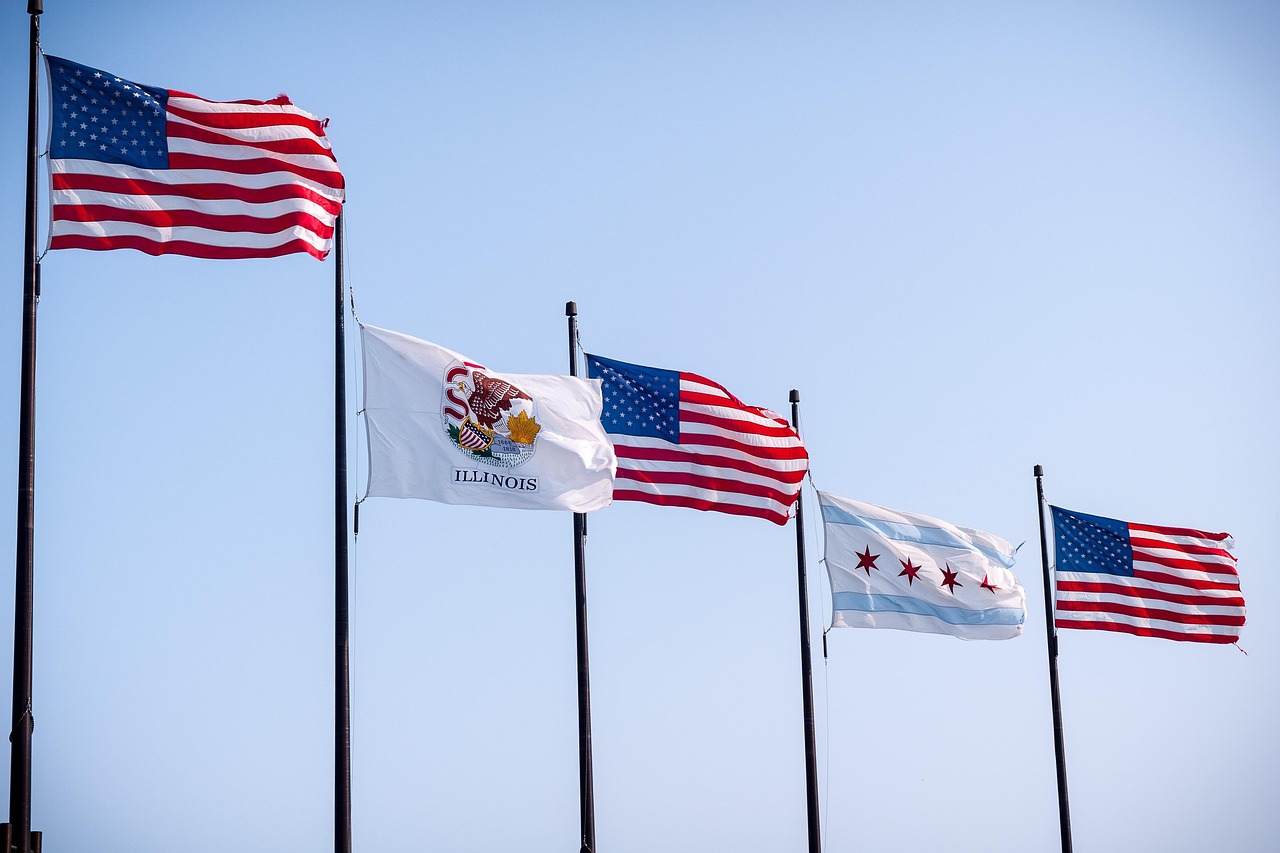
The American flag, with its vibrant colors and iconic design, holds profound historical significance as a symbol of our nation and its values. Its meaning extends far beyond a simple piece of fabric, serving as a tangible representation of our shared history, struggles, and triumphs. In times of celebration and mourning, the flag's display and placement carry distinct protocols, reflecting the importance of preserving its honor. When flying the flag at half-mast, for instance, it is a powerful gesture that dates back to ancient times, with roots in both military and civilian traditions.
The tradition of halving the flag, or "half-masting," has its origins in naval practices, symbolizing a sense of loss and respect. This practice was later adopted by the U.S. Military and, eventually, by civilian communities. During times of national mourning, such as the death of a president or significant tragedies, the flag is raised to half-staff as a sign of solemnity and respect. This custom is also extended to honor military personnel who have made the ultimate sacrifice, with honorary flags flown at half-mast on military bases and in patriotic flag stores across the nation. The halving of the flag is a powerful visual representation of our nation's grief and a way to collectively honor those we have lost.
Beyond the context of mourning, half-masting the flag also occurs on significant national holidays, such as the 4th of July parades, as a way to mark the occasion with a mix of celebration and remembrance. It is a visual reminder of the freedoms we celebrate and the cost paid by those who came before us. This tradition encourages citizens, when purchasing long-lasting outdoor flags from patriotic flag stores, to reflect on the meaning of these symbols and their role in shaping our nation's identity. The flags of the world guide us in understanding our own, emphasizing the universal desire for freedom and unity, while the display of American flag patches and pins on clothing and accessories serves as a constant reminder of our shared history.
Best Practices: Caring for Your Display at Home or School

When caring for your flag display at home or in a school setting, it's important to follow best practices to ensure your patriotic flags look their best and last for years to come. Regular cleaning and proper storage are crucial, especially for outdoor flags exposed to the elements. Start by understanding the fabric; most American flags are made of durable polyester, which requires specific care. Avoid using harsh chemicals or bleach; mild detergents and cool water are recommended for washing. After cleaning, allow the flag to air dry completely before folding or hanging to prevent mold and mildew.
For indoor displays, consider using decorative stands or poles, which can be found at any patriotic flag store. These displays offer a sleek, professional look while protecting the flag from direct sunlight, which can fade the colors. Regularly dust and spot clean indoor flags to remove any dirt or stains. When storing flags not in use, make sure they are folded properly, avoiding wrinkles and creases.
Backyard flagpole accessories, such as windblocks and covers, can protect outdoor flags from strong winds and harsh weather conditions. Investing in these accessories, along with high-quality flags from outdoor fabric suppliers, ensures your display is resilient and vibrant. Consider the location of your flag. Flying a flag at half-mast is a significant gesture, typically done in times of mourning or national crisis. It's a powerful way to show respect and unity, and understanding when to do so is crucial. The Smithsonian National Museum of American History provides guidance on flag etiquette, including proper half-mast procedures, making it a valuable resource for both personal and public displays.
Remember, when it's time to replace your flag, choose a reputable patriotic flag store for top-quality options. Discounted patriotic banners are available from many stores, offering an affordable way to update your display. Always follow the flag's care instructions, whether it's a historic artifact or a new purchase. By treating your flags with care, you honor their symbolism and the values they represent, ensuring they continue to inspire and unite us all. The flag's design and colors can be a source of pride and national identity, which is why maintaining their integrity is so important.
Frequently Asked Questions About Flying the Flag at Half Mast When and Why
What does flying a flag at half-mast mean? Flying a flag at half-mast, or at half-staff (as it's also known), is a solemn practice of lowering a flag to one-half its full height. It's a visual symbol of respect, mourning, or remembrance. This tradition is recognized worldwide, with specific protocols for different contexts, such as national, military, or personal mourning.
When is it appropriate to fly a flag at half-mast? Flags are typically flown at half-mast to commemorate significant national or local events, such as:
- National days of mourning or remembrance.
- The death of prominent figures, including leaders, celebrities, or historical heroes.
- Natural disasters or man-made tragedies.
- Military ceremonies, including the funerals of service members. The specific duration varies, often following established guidelines, such as a period of 30 days for a single individual or a year for continuous events like wars.
What are the rules for flying a flag at half-mast? There are standard flag etiquette guidelines to ensure respect:
- Morning: Flags should be raised to their full height at sunrise and lowered at sunset.
- Half-mast: When flying at half-mast, the flag should be raised to the top of the pole before lowering it.
- Respectful Display: Ensure the flag is displayed properly, clean, and not damaged.
- No Decorations: No decorations, lights, or ornaments should be attached to a flag at half-mast.
Who is responsible for flying flags at half-mast? The responsibility for flying flags at half-mast varies:
- National Level: National governments or their representatives, such as the President or Governor, typically decree when to fly flags at half-mast.
- Military and Government Installations: Base commanders or installation heads make these calls for their respective facilities.
- Private Citizens: Individuals can choose to fly their flags at half-mast to honor personal or local events, following the established guidelines.
What are some examples of national days when flags are flown at half-mast? Many countries observe specific days for flags to be flown at half-mast, honoring their history, values, or citizens:
- United States: Flag Day (June 14th), Memorial Day, and 9/11 Memorial Day are examples.
- United Kingdom: Remembrance Day (November 11th) and the Queen's Birthday (a public holiday) are times when flags are flown at half-mast.
- Canada: Canada Day (July 1st) and Remembrance Day (November 11th) are also days when flags are lowered.
Can I fly a flag at half-mast indoors? While the tradition is most commonly associated with outdoor displays, indoor flags can also be flown at half-mast. Follow the same guidelines for respect and duration. However, consider the environment and avoid damaging the flag due to indoor conditions.
Quick Reference
- Lower the flag to half-staff for national mourning.
- Fly at half-mast on federal holidays and national crises.
- Respect the tradition by never letting it touch the ground.
- Use the correct ratios: 1/2 the distance from top to bottom.
- Check local guidelines for specific instructions and rules.
- Lower the flag slowly and respectfully, with care.
- Raise it back up when the solemn period is over.
- Display it proudly, but understand its meaning and history.
- Learn the symbols and colors on the American flag.
Flying the Flag at Half Mast: Custom vs. Standard vs. Military Protocol
This comparison explores different approaches to flying the flag at half-mast, focusing on custom displays, standard practices, and military protocols, highlighting their unique features, applications, strengths, and limitations.
Flying the American Flag at Half Mast: A Community Honors Its Fallen
Situation
In a small suburban community, the local American flag at the town hall was observed flying at full staff every day, a tradition that had stood for decades. However, as the years passed, the flag began to show signs of wear and tear. It was no longer the vibrant red, white, and blue it once was, and its fabric was frayed and tattered. The community's mayor, concerned about the flag's condition and its potential to be taken down due to safety hazards, sought advice on how to honorably display the flag.
Action
The mayor reached out to a local patriotic flag store for guidance. The store's staff, experienced in flag etiquette, advised him on the proper way to fly a flag at half-mast. They explained that this gesture, traditionally observed on days of mourning or national tragedy, signifies respect, humility, and a shared sense of loss.
The staff recommended that the town hall flag be replaced and instructed the mayor on the following steps:
- Retire the Old Flag: On a designated day, the store's staff arrived to remove the worn flag, ensuring it was handled with the utmost respect.
- Hoist the New Flag: A new, high-quality American flag was raised to full staff, a symbol of pride and resilience.
- Fly at Half-Mast: Per the store's guidance, the flag was lowered to half-mast on the designated day of mourning, observed by the entire community.
Result
The community's respectful display of the flag at half-mast garnered positive attention and fostered a sense of unity. The new flag, flown at half-mast for a period of 24 hours, served as a poignant reminder of the community's shared values and their commitment to honor their fallen.
This experience led to increased awareness among residents about flag etiquette and the significance of flying flags at half-mast, encouraging more respectful displays in the future.
Flying the American flag at half-mast is a powerful and meaningful gesture, one that requires a deep understanding of its history and proper protocol. We've explored the significance of this practice, from honoring national tragedies to celebrating military victories, and provided practical steps for choosing the right flags and caring for your display. By adhering to the rules outlined here, individuals and communities can ensure their flag displays convey respect, remembrance, and pride appropriately. Now equipped with this knowledge, patrons of the Patriotic Flag Store can make informed choices, turning their flags into powerful symbols of unity and patriotism.
Understanding Half-Mast Display: When and Why
Flying a flag at half-mast is a powerful symbol of respect and mourning, rooted in American and international customs. It signifies a time of sorrow, allowing communities to honor the memory of the deceased. Common times include national days of mourning, local tragedies, and significant events like National Flag Day. Following specific rules, like raising the flag to the top in the morning and lowering it to half-staff between noon and sunset, ensures a respectful display.
The U.S. Flag, with its symbols like stars and stripes, carries collective experiences. Many countries have similar customs, flying their flags at half-mast on national mourning days, showcasing global solidarity. Choosing flags from a patriotic flag store can represent both U.S. And international symbols, reflecting unity.
Key Takeaways:
- When to Display: National mourning, local tragedies, and significant events like Flag Day.
- Guidelines: Raise flag to top in morning, lower to half-staff between noon-sunset.
- Global Unity: Many countries share similar customs for national mourning days.
- Flag Selection: Patriotic flag stores offer diverse designs, including U.S. And international symbols.