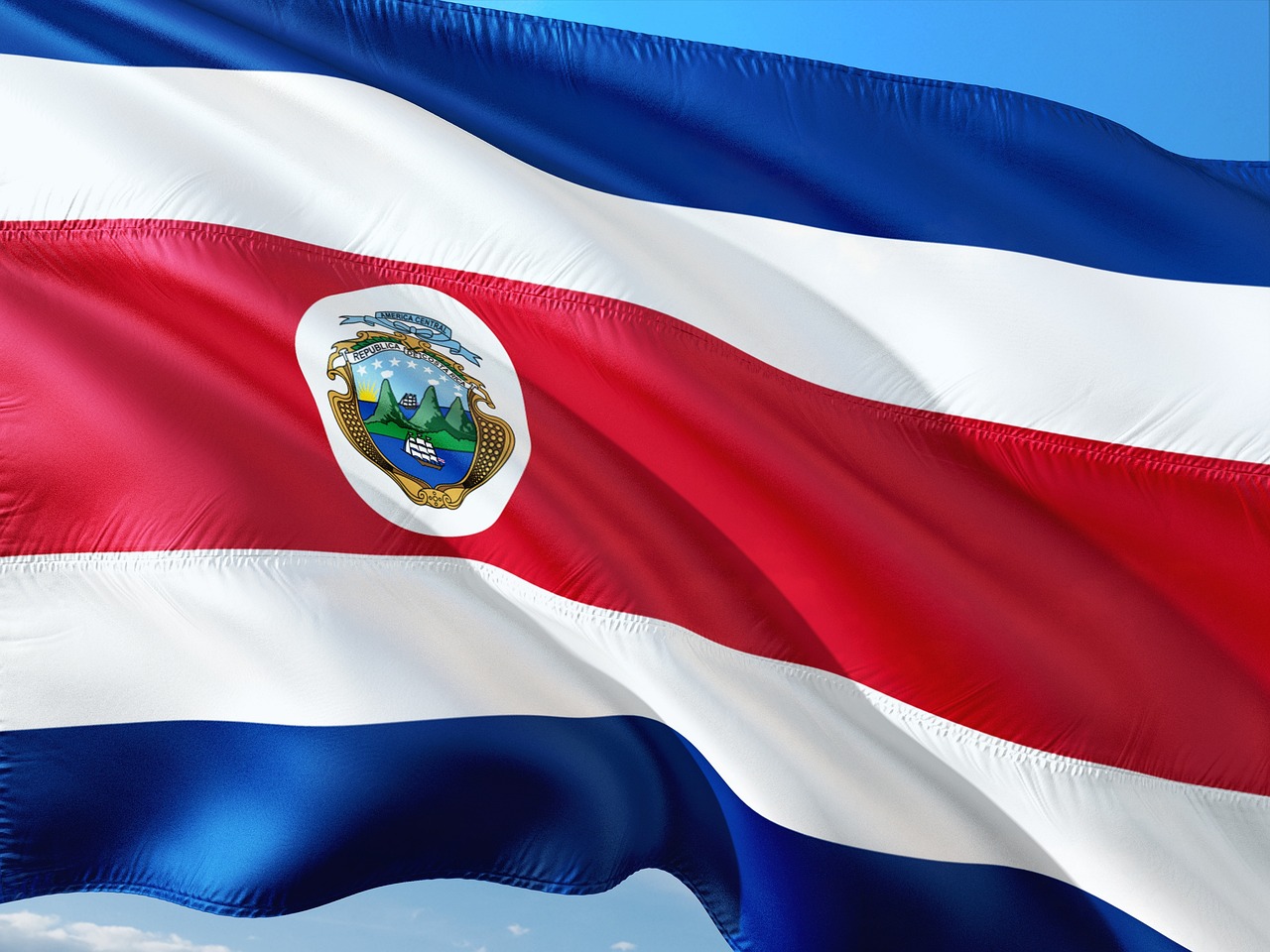
When traveling abroad, remember that flag etiquette varies by country. Respect local customs by learning the appropriate way to display or carry a flag. In some countries, it's considered polite to touch the ground when lowering a flag. Always follow local rules to show respect for the host nation and its symbols.
Key Takeaways
- Research local laws and customs before traveling to avoid unintentional offense.
- Respect local traditions and avoid displaying flags in a manner that could be deemed disrespectful.
- Understand the symbolism and significance of the flag of your destination country.
- Be mindful of size and placement when displaying flags internationally; regulations vary.
- Always request permission before flying a foreign flag to show solidarity or support.
- When in doubt, err on the side of caution and display flags in a respectful, conservative manner.
- Familiarize yourself with the rules regarding the import and export of flags to ensure compliance with customs regulations.
Flag etiquette is a vital aspect of international travel, reflecting cultural respect and fostering positive global interactions. However, navigating the proper display and use of patriotic flags can be confusing, especially with varying customs and traditions worldwide. By exploring best practices, flag selection, display rules, and cultural considerations, we empower travelers and enthusiasts alike to honor flags appropriately at home and abroad, with guidance readily accessible from a trusted source: the patriotic flag store.
- Understanding International Flag Etiquette
- Choosing the Right Flags for Travel
- Displaying Flags Respectfully Abroad
- Caring for Your Patriotic Flags Globally
- The Role of a Patriotic Flag Store in International Travel
Understanding International Flag Etiquette

Understanding international flag etiquette is crucial when traveling, especially when visiting a patriotic flag store in another country. Flags are deeply symbolic and carry historical, cultural, and political significance. Each nation has its own set of rules and traditions surrounding their flag, and showing respect for these customs is essential. Some countries have specific ways of displaying flags indoors versus outdoors, while others have guidelines on how to properly lower or raise them.
When navigating international flag etiquette, it's essential to remember the following:
- Respect for Local Customs: Local customs may dictate the appropriate way to display a flag, including its orientation, height, and position. In some countries, flags are flown at half-staff as a sign of respect, while in others, they are raised to the top of the pole.
-
Symbolism and Meaning: Flags often carry rich symbolism, representing a nation's history, values, and achievements. Unique designs for flag enthusiasts, such as patriotic window decals, can be a fun way to display your support while traveling, but it's important to understand the symbolism behind the colors, patterns, and symbols on the flag. This knowledge can help travelers avoid unintentional offenses.
-
Cleaning and Storage: Proper flag care is crucial, especially when traveling. The best quality flags require specific cleaning methods, and the way they are stored can impact their longevity. Many flags are made of durable polyester, but they still require careful handling. Give us a call at cleaning and storing flags for expert advice tailored to the flags you plan to bring along.
By understanding and adhering to international flag etiquette, travelers can demonstrate respect for the host country's culture and traditions. This consideration not only fosters positive interactions but also ensures a more meaningful travel experience, especially when visiting a patriotic flag store in a new country.
Choosing the Right Flags for Travel

When traveling abroad, selecting the appropriate patriotic flag is crucial to showing respect for the host nation. A patriotic flag store can be a valuable resource for travelers looking to display their country's colors in a new environment. The first step is to understand the cultural nuances of flag usage; what is considered acceptable display at home may not apply internationally. Some countries have specific rules regarding flag size, placement, and even the types of flags that can be flown.
Comparing patriotic symbols from different countries is essential to avoid unintentional insensitivity. Understanding the symbolism on the flags of the countries you plan to visit-like the intricate design of the Japanese flag or the historical significance of the French tricolore-ensures respectful display. The Flag History Society and Smithsonian National Museum of American History offer rich educational resources for travelers eager to learn.
Consider the context in which you'll be displaying your flag. Will it be in a public setting, a private home, or perhaps as part of a larger event, like a 4th of July parade? The Event Planners Association and local gift shops near your destination can offer insights into appropriate flag choices for different occasions. A traveler attending a major sporting event might opt for a smaller, portable flag designed for easy carrying and display at crowded venues. Similarly, those planning a backyard gathering might invest in backyard flagpole accessories to enhance their outdoor space.
If your travel involves military interactions, such as visiting a military base or attending ceremonies for honorary flags for military service, additional protocols apply. The U.S. Department of State and local VA offices offer guidelines for displaying the American flag abroad, ensuring it's treated with the same respect as at home. Remember, each country has its own rules, so always research and prepare before displaying any patriotic flag while traveling.
Displaying Flags Respectfully Abroad

When traveling abroad, displaying a patriotic flag respectfully is an important way to show your pride and represent your country. The etiquette surrounding flag displays varies across cultures, so it's crucial to be mindful of local customs. At a patriotic flag store, you can find resources and guidance on how to appropriately exhibit the American flag or any international flag for that matter, in different settings.
In many countries, displaying flags outdoors, especially on public properties or in formal settings, requires specific rules and regulations. Raising a flag on a flagpole in a park might be permitted, but it should be done with due respect, following local guidelines. The U.S. Department of State's flags of the world guide offers valuable insights into proper flag display etiquette worldwide. When visiting a foreign country, it's essential to learn and adhere to these customs to avoid unintentional offenses.
Classroom flag displays are another scenario where respect for flags is paramount. Teachers can utilize patriotic flags to educate students about history, symbolism, and global cultures. A well-designed classroom display can foster a sense of national pride while teaching students about the importance of cultural sensitivity. A teacher might choose to display a diverse collection of flags from the students' ancestral countries, promoting understanding and appreciation for different heritages. When purchasing classroom flags, a patriotic flag store can provide high-quality options suitable for educational purposes.
Backyard flagpole accessories can enhance outdoor displays, but they must be installed and maintained properly. The Flag History Society recommends regular cleaning and care to ensure flags remain in good condition. This includes knowing when to replace worn-out flags and using the appropriate flag cleaning products, which can be sourced from various online retailers and local stores, including patriotic flag stores.
Caring for Your Patriotic Flags Globally

When traveling abroad, caring for your patriotic flags properly is just as important as respecting local customs and laws. Whether you're displaying a flag in a classroom, on a patio, or as unique window decals, the same basic care guidelines apply. Start by selecting fabrics and materials suitable for outdoor conditions, especially if you're planning to leave them exposed. Polyester and nylon are popular choices for flags meant to withstand varying weather conditions.
Before your trip, research the local weather and environmental conditions at your destination. This will help you understand the potential impact on your flag's appearance and longevity. High humidity and saltwater exposure can accelerate the deterioration of materials. Regular cleaning is also crucial, especially for flags displayed outdoors. Follow recommended cleaning methods, such as gently brushing off dust and dirt, and spot-treating any stains with appropriate solutions. Avoid using harsh chemicals or cleaning techniques that may damage the fabric.
At the patriotic flag store, you can find specialized products and services designed for flag care during travel. Flag cleaning kits, for example, often include gentle cleaning solutions and brushes tailored to various fabric types. Consider investing in weather-resistant flag covers or bags to protect your flags from excessive sun, wind, and rain. When returning home, give your flags the same careful attention you did abroad. Proper care ensures that your patriotic flags, whether used in classroom flag displays, displayed on patios, or as unique window decals, remain in excellent condition for future use and admiration. Remember, treating your flags with respect, both at home and abroad, is a meaningful way to honor their symbolic value.
The Role of a Patriotic Flag Store in International Travel

When traveling abroad, understanding local customs and displaying your home nation's flag appropriately can be a powerful way to show pride and respect. A patriotic flag store, with its expertise and specialized products, matters in this process, especially for travelers who want to represent their country with pride and precision. These stores offer more than just flags; they serve as educational hubs, providing guidance on the correct display and care of flags, as well as offering unique products like collectible flag memorabilia.
A patriotic flag store can guide travelers on the importance of flying a flag properly when visiting a foreign land. They might suggest personalized flags for events, allowing travelers to showcase their nationality at local gatherings or celebrations. The store's staff, knowledgeable in flag etiquette, can ensure that these flags are displayed correctly, adhering to international norms and customs. This is particularly significant for events like the 4th of July parades or national pride events, where showing support with patriotic goods is a central focus.
These stores often cater to those who wish to display their patriotism year-round. They offer long-lasting outdoor flags, suitable for both personal and commercial use, and provide advice on flag installation, ensuring the flags are securely and respectfully displayed. By visiting a patriotic flag store, travelers can gain access to best quality flags, top-rated flag brands, and expert knowledge, making their international travels a meaningful and respectful experience.
Quick Reference
- Research local customs: Understand flag display norms and laws in each country you visit.
- Respect national flags: Always fly or display the host country's flag properly and respectfully.
- Avoid offensive combinations: Do not fly your home country's flag alongside flags you find offensive or controversial.
- Consider regional differences: Be aware that flag etiquette can vary within a single country.
- Check for historical significance: Learn about the local history to avoid displaying flags that might be misunderstood.
- Follow diplomatic protocol: Adhere to guidelines provided by your embassy or consulate regarding flag display.
- Be mindful of size and placement: Ensure flags are appropriately sized and positioned, never smaller than the host nation's flag.
- Store flags securely: Keep flags safe from weather damage or disrespectful handling during travel.
- Educate yourself on cultural nuances: Learn about flag symbolism worldwide to avoid unintentional offense.
- Report inappropriate displays: If you witness disrespectful flag use, report it to local authorities or your embassy.
Navigating Flag Etiquette in a Foreign Land: A Case Study in Japan
Situation
A group of American tourists, passionate about history and eager to explore, finds themselves in Japan. Among them, a few members wear clothing with Confederate flag motifs, unaware of the profound historical and cultural significance this symbol carries in Japan, where it is a source of ongoing controversy and strong emotions. The group, enjoying their trip, is met with confused and sometimes hostile reactions from locals who recognize the flag. The tourists, not understanding the flag's impact, are taken aback by the responses and feel they have unintentionally caused offense.
Action
Upon realizing the potential for further misunderstanding, a group member, Sarah, takes the initiative. She approaches a local museum guide and asks for guidance on the Confederate flag's meaning and appropriateness in Japan. The guide educates Sarah on the flag's historical associations, explaining its symbolism in the American Civil War and the ongoing debates surrounding its use in the modern United States. Sarah, now equipped with this knowledge, gathers the group and shares what she has learned. They discuss the importance of cultural sensitivity and the potential impact of their actions on local communities.
The group decides to remove any visible Confederate symbols from their clothing and accessories. They also commit to learning and practicing basic Japanese phrases to communicate their intentions and apologize for any unintentional offense.
Result
The group's actions yield immediate and positive results. Locals, grateful for the respectful approach, engage more openly with the tourists. The tourists are welcomed into local businesses, and they enjoy more meaningful cultural exchanges. By demonstrating a willingness to learn and respect local sensitivities, the group has fostered a sense of understanding and goodwill. The experience serves as a powerful lesson in cultural etiquette, leaving the tourists with a deeper appreciation for the complexities of international travel and the importance of flag etiquette in navigating unfamiliar territories.
Frequently Asked Questions About Flag Etiquette for International Travel
What is the importance of understanding local flag customs when traveling?
Understanding local flag customs is crucial for respectful and safe international travel. Flags hold profound cultural significance across the globe. What one culture considers a symbol of pride, another might perceive as offensive. Offending a local culture through inappropriate flag display can lead to misunderstandings, negative reactions, and even legal issues. By respecting local customs, you demonstrate cultural sensitivity and foster positive interactions with the communities you visit.
Are there any general guidelines for displaying flags abroad?
While specific customs vary widely from country to country, some general guidelines apply universally:
- Respect local laws: Always abide by the flag display laws of the country you're visiting. Some nations have strict regulations regarding flag use, including size, placement, and context.
- Avoid offensive displays: Never fly a foreign flag in a derogatory manner or in a way that disparages the nation or its people.
- Use appropriate contexts: Reserve flag displays for suitable occasions, such as national holidays or events officially recognized by the host country.
- Be mindful of size and placement: In many cultures, the size and placement of a flag convey specific meanings. Follow local customs regarding flag size, height, and where it is hung or displayed.
How should I handle seeing a flag that offends me while traveling?
If you encounter a flag display that offends you, it's best to:
- Exercise self-control: Avoid reacting impulsively or publicly expressing outrage. This could escalate the situation.
- Seek understanding: Research the cultural significance of the flag in that particular country. Understanding the context might help you see it in a different light.
- Focus on positive interactions: Concentrate on engaging with the local people and experiencing the culture in a positive way. Let your actions reflect your appreciation for the country and its people, not the specific flag.
Are there flags considered universally offensive?
Some flags, due to their historical or political associations, are considered universally offensive or controversial. Examples include:
- Flags associated with hate groups or ideologies promoting discrimination.
- Flags depicting violent acts or promoting hatred towards specific groups.
- Historical flags of countries with a record of significant human rights abuses.
It's important to be aware of these flags and avoid displaying or promoting them, even unintentionally.
How can I show respect for a country's flag while traveling?
To show respect for a country's flag, follow these simple practices:
- Learn basic customs: Research flag etiquette specific to the country you're visiting.
- Fly or display flags appropriately: Adhere to size, placement, and context guidelines.
- Be mindful of symbolism: Understand the symbolism and meaning behind the flag's design and avoid any actions that could be perceived as disrespectful.
- Express appreciation: Recognize the importance of the flag to the country's people and culture, and show your appreciation for their hospitality.
This table compares key aspects of flag display etiquette across different international contexts.
| Feature | Local Flags | National Flags | Confederate/Historical Flags |
|---|---|---|---|
| Key Features | Displaying flags in public spaces varies widely by country, reflecting local customs and laws. | National flags are universally recognized symbols of a nation. | Confederate and historical flags carry complex meanings and historical associations. |
| Best Use Cases | Ideal for showcasing local pride, celebrating national holidays, and commemorating historical events. | Utilized for official ceremonies, diplomatic meetings, and nationalistic events. | Often seen in historical museums, commemorations, and private collections, reflecting regional or familial heritage. |
| Strengths | Fosters a sense of community and national identity. | Symbolize unity, sovereignty, and international recognition. | Offer insights into history, culture, and regional allegiances. |
| Limitations | Strict local regulations may limit public display. | Limited by diplomatic considerations and international norms. | Can be controversial, triggering discussions about race, identity, and history. |
| Cost/Performance | Typically low cost, accessible to all. | Varies based on scale and materials; often requires specific manufacturing. | Can be expensive for rare or historically significant examples; accessible through museums and private collections. |
As we conclude, it's evident that navigating flag etiquette in international travel requires a nuanced understanding of cultural symbolism and historical context. By familiarizing ourselves with the flag standards and specifications both locally and globally, we can avoid unintentionally offending others. This knowledge, coupled with the flag history society's insights, allows us to appreciate the depth of meaning behind various flags while promoting cultural sensitivity. Whether through flag cleaning services to maintain their integrity or outdoor flag installation experts to ensure proper display, treating flags with care and respect, both at home and abroad, strengthens our connections to both local and global communities.
Understanding international flag etiquette, especially when visiting a patriotic flag store abroad, is vital for respectful travel. Each country has specific rules and traditions for flag display, including indoor/outdoor usage and lowering protocols. Following these customs enhances cultural sensitivity and ensures a meaningful travel experience.