
Key Takeaways
- Start conversations about flag history and purpose at an early age to foster a culture of respect.
- Incorporate flag education into existing lessons about history, geography, and civics.
- Use visual aids, like flags displayed in classrooms, to make learning tangible and memorable.
- Encourage kids to participate in flag ceremonies, like the Pledge of Allegiance, to build a connection to their country.
- Emphasize the importance of proper flag display and care as a sign of respect.
- Introduce age-appropriate discussions about flag symbolism and its significance in different cultures.
- Promote community involvement in flag events, like Flag Day, to instill a sense of national pride.
Teaching kids about flag respect starts by explaining the history and symbolism of the American flag. Use simple language to describe each stripe and star, and share stories about our nation's values. Engage them in activities like flag crafts or creating their own patriotic art. Encourage them to display the flag with pride and proper etiquette, like flying at half-staff for special occasions. Regular discussions and hands-on experiences foster a deep understanding and respect for our flag.
Flag respect is a fundamental aspect of civics education, instilling a sense of pride and responsibility in our youth. However, teaching kids about flag etiquette can be challenging, often lacking structured resources and guidance. This article offers a comprehensive solution for parents and educators, exploring practical ways to cultivate a deep understanding and respect for the flag. By the end, you'll be equipped to teach kids not only the history and symbolism of the flag but also the importance of displaying it with pride and respect.
- Understanding Flag Significance: A Patriotic Flag Store Guide
- Teaching Flag History: From Past to Present
- Flag Etiquette Basics: Respect in Action
- Flag Display and Care: Practical Tips from Experts
- Engaging Kids with Flag Symbols: A Meaningful Journey
- Community and School Flag Programs: Spreading Patriotism
Understanding Flag Significance: A Patriotic Flag Store Guide

Teaching children about flag respect is an essential part of instilling a sense of civic responsibility and national pride. A patriotic flag store can serve as a valuable resource for families and educators, offering more than just a place to buy patriotic flags. By understanding the significance of the flag and its history, individuals can appreciate its importance and learn how to display and care for it properly. This section examines the role of a patriotic flag store in fostering a culture of flag respect, focusing on the profound symbolism and history behind the American flag and how to engage young people in its preservation.
The American flag, with its stars and stripes, represents the values, struggles, and triumphs of the United States of America. Why do people buy patriotic flags? Often, it's to display their love for their country, to honor veterans, or to mark significant events. A patriotic flag store provides a wide array of flags, from outdoor-ready options to indoor display pieces, catering to diverse needs and occasions. Restoring old flags or purchasing patriotic flags for schools and communities can be powerful educational tools. By handling and displaying these flags, young people learn about the flag's symbolism and its role in shaping their nation's identity.
Affordable patriotic decor is readily available through these stores, making it easy for families and schools to incorporate flag-themed items into their spaces. This decor serves as a constant visual reminder of the flag's importance, encouraging conversations about its history and meaning. The American flag history and meaning is rich and complex, encompassing themes of freedom, unity, and democracy. Visiting a patriotic flag store, like cleaning and storing flags, can expose individuals to resources that examine these meanings, fostering a deeper understanding and appreciation of the flag's significance.
Educational resources for parents, school districts, and youth organizations are often available at these stores, providing practical guidance on how to teach flag etiquette and history. Lesson plans on the flag's design and its evolution over time can make learning about flag respect engaging and memorable. By involving children in these discussions and activities, communities can ensure that the values represented by the flag are passed down to future generations, fostering a culture of pride, respect, and civic duty.
Teaching Flag History: From Past to Present

Teaching kids about flag respect starts with understanding the history behind the symbol. The American flag, with its vibrant colors and stars, represents a rich mix of events, struggles, and triumphs that have shaped our nation. When children grasp the significance of each stripe and star, they develop a deeper appreciation for the flag's meaning.
A powerful way to teach flag history is by comparing patriotic symbols from different cultures and countries. This practice helps kids see the global inspiration behind national symbols and fosters a sense of perspective. Discussing the British Union Jack and the French tricolore alongside our flag can illuminate the common threads-red, white, and blue-that have been adopted worldwide. By examining these variations, children learn that while symbols differ, the underlying values they represent often remain consistent.
The importance of flying a flag properly cannot be overstated. Teaching kids how to fly a flag correctly not only instills a sense of pride but also demonstrates respect for the symbol. At a patriotic flag store, you might find educational resources and lesson plans that guide you through the proper ways to display a flag indoors and outdoors. The U.S. Flag History Society offers resources that explain the etiquette surrounding flag size, placement, and retreat ceremonies, ensuring that the flag is always treated with the honor it deserves.
Proper flag care is also essential. Similar to cleaning and storing other cherished items, flags require regular attention. A visit to a patriotic window decals section at a store like ours can inspire creative ways to display flags year-round, adding a touch of national pride to any space. However, it's important to remember that flags should be cleaned and stored properly to preserve their integrity.
Flag Etiquette Basics: Respect in Action
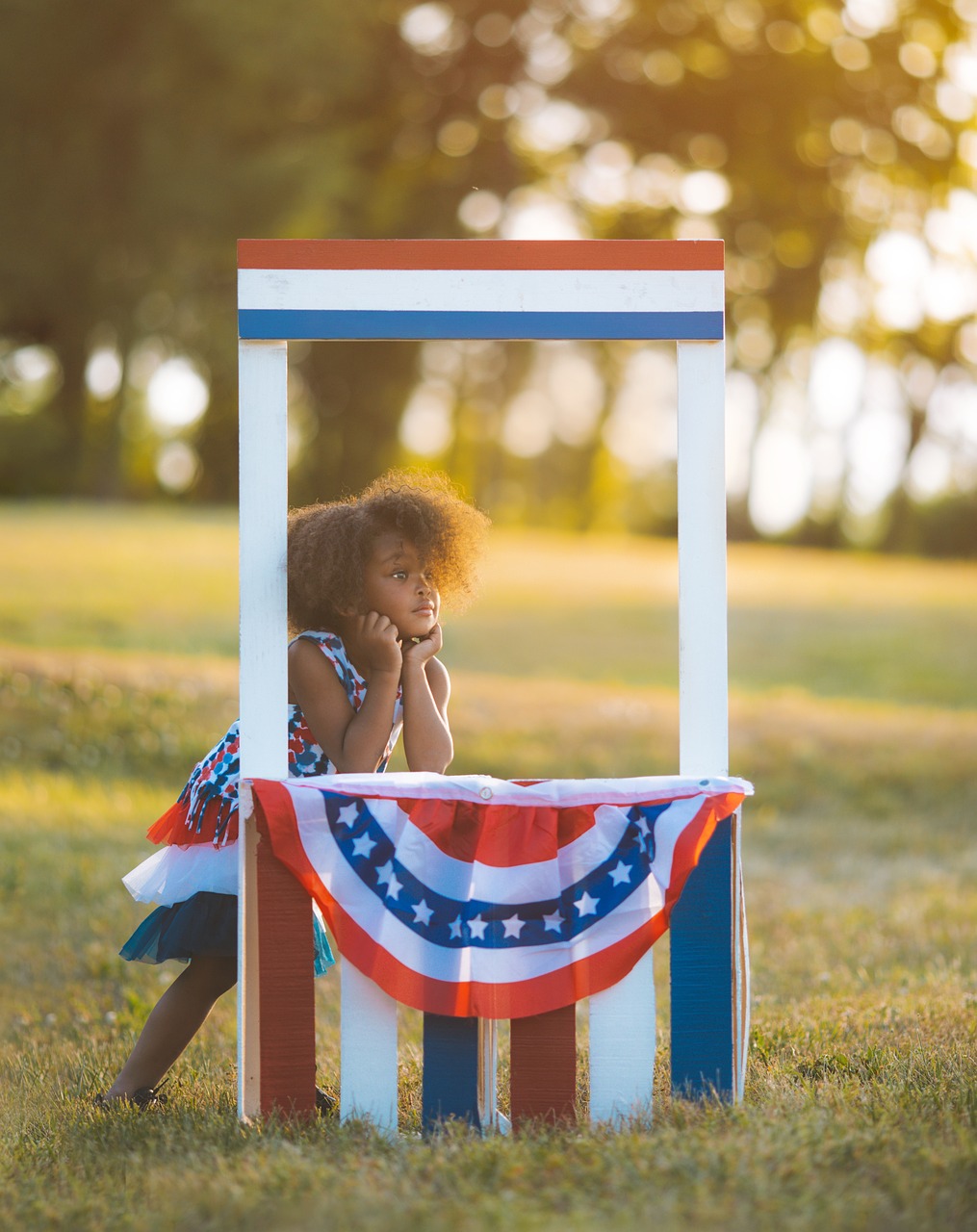
Teaching children about flag respect is an essential part of instilling pride in their community and nation. It begins with understanding the basic etiquette of handling and displaying the flag, which is a cornerstone of any patriotic education. In public schools, this often starts with simple, practical steps to show respect for the flag, such as standing during the Pledge of Allegiance and properly folding it. When choosing the right patriotic flags for schools, consider the flag's design and quality, ensuring it is made to last and properly represents the nation. A visit to a patriotic flag store can offer a range of options and educational resources for teachers and parents.
Respect for the flag isn't just about ceremonial practices. It's about understanding the history, symbolism, and care behind it. Children should learn that each fold of the flag holds a specific meaning, and the flag's colors and stripes represent different aspects of American history and values. This knowledge deepens their connection to their country and fosters a sense of pride in their heritage. Teaching kids to properly repair a damaged flag is an excellent way to show respect; it involves a hands-on approach to understanding the fabric, threads, and construction of the flag, while also encouraging conservation.
Beyond the classroom, public displays of the flag in schools, community centers, and public spaces serve as powerful educational tools. These spaces can be transformed into vibrant, engaging environments that celebrate American spirit through flag-themed art prints, murals, and decorations. However, it's crucial to maintain proper protocol for flag installation and removal, ensuring flags are always flown at the right height and condition. The U.S. Department of State and the Smithsonian National Museum of American History offer guidelines on flag etiquette for public buildings, providing a framework for communities to follow.
These groups often host events, workshops, and educational programs that promote flag respect and history. By teaching children these basics, we empower them to become responsible citizens who appreciate and honor the flag's significance, creating a lasting legacy of patriotism.
Flag Display and Care: Practical Tips from Experts

Teaching children about flag respect involves more than just explaining its history or significance on holidays like the 4th of July. It's crucial to instill a sense of responsibility and appreciation for the symbolism and care behind the flag, especially when it's displayed in public or as a part of our homes and communities. At a patriotic flag store, experts often emphasize the importance of proper flag display and care, which can be enhanced through simple, practical tips.
When hanging decorative flag wall hangings, ensure the flag is not draped or hung in a way that shows disrespect. The flag should be displayed at eye level or slightly higher, never at a lower position. It's also vital to clean and repair flags regularly, especially after they've been flown in parades or outdoor events. A patriotic flag store might recommend a routine of inspecting flags for any tears or wear and repairing them using suitable materials. When a flag is damaged, consider repairing it instead of replacing it entirely. This simple act teaches both the value of mending and preserving our nation's symbols.
Proper flag folding is another critical aspect often demonstrated in 4th of July parades. Children should learn the specific folds, such as the traditional 13 folds representing the original colonies, to show respect and honor. The expert advice from these stores often includes using a flag folding guide or video to ensure accuracy. When flying a flag outdoors, whether it's a residential or government building, follow the guidelines provided by organizations like the U.S. Department of State and the Flag History Society. This includes ensuring the flag is flown at the appropriate height and properly secured, and only displaying it during daylight hours.
Lastly, consider the overall presentation and environment. A well-maintained flag display area, whether inside or outside, reflects a community's pride and respect. This includes cleaning and repairing flag poles, ensuring flags are not frayed or worn, and regularly inspecting them for any signs of damage. By following these practical tips, you can foster a deeper understanding of flag respect and encourage the next generation to uphold these traditions.
Engaging Kids with Flag Symbols: A Meaningful Journey
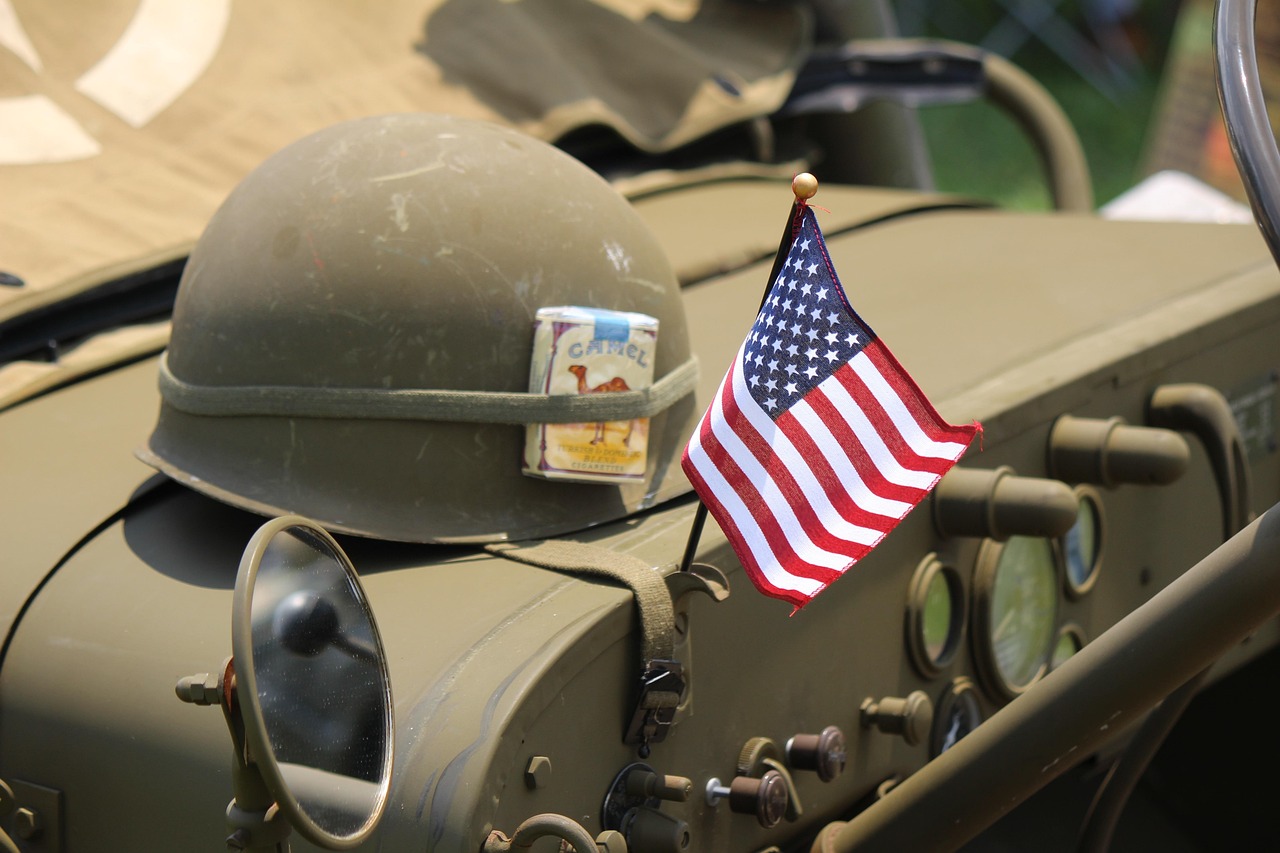
Teaching children about flag respect is a meaningful journey that begins with engaging them in the rich symbolism of the American flag. The Patriotic Flag Store offers a variety of long-lasting outdoor flags, American flag patches, and pins that can serve as powerful educational tools. By incorporating these items into your curriculum, you create opportunities for hands-on learning that resonate deeply with young minds.
A third-grade teacher could use a vibrant, high-quality flag from the Patriotic Flag Store to kickstart a lesson on the history and meaning of the Stars and Stripes. The flag could inspire discussions about the 50 states, the diverse communities they represent, and the unity symbolized by the stars. Students could then create their own state flags, fostering creativity and understanding of local identities while also learning about the principles of design. This interactive approach not only reinforces flag etiquette but also enriches social studies education.
The Patriotic Flag Store also offers patriotic clothing accessories and patriotic gifts for veterans, making it easier for families to integrate flag appreciation into everyday life. These items can spark conversations about the sacrifices made by our military personnel and the significance of honoring them through appropriate display and respect. A family could display an American flag patch on a jacket or backpack, talking about its symbolism and the people it represents.
Affordable patriotic decor from the store can transform a child's room or play area into a space that celebrates our nation's history and values. This visual representation of pride and patriotism can serve as a constant reminder for children to learn, respect, and appreciate the flag. The store offers a range of American flag history and meaning educational resources, ensuring that children not only learn how to display the flag properly but also gain a deeper understanding of its significance.
When teaching kids about flag respect, it's essential to start early and make it a continuous, engaging process. Give us a call at why do people buy patriotic flags to learn more about the impact of these educational resources and how the Patriotic Flag Store is helping to instill a sense of pride and respect for our nation's symbol in the next generation.
Community and School Flag Programs: Spreading Patriotism
Teaching kids about flag respect and patriotism is an essential aspect of civic education, and community and school flag programs play a vital role in fostering a sense of pride and understanding. One effective strategy is to incorporate unique designs for flag enthusiasts, such as patriotic window decals, into classroom displays. This simple addition can spark conversations about the history, symbolism, and significance of the flag, making it an accessible and engaging learning tool. A school in a patriotic flag store's vicinity might collaborate with local artists to create custom window decals, allowing students to contribute to a vibrant public display while learning about flag etiquette.
Classroom flag displays can be a powerful teaching tool, offering hands-on experiences that transcend textbook learning. Teachers can organize activities like flag folding ceremonies, where students learn the precise steps and the significance of each fold, symbolizing the values and sacrifices represented by the flag. These programs can also extend to outdoor environments, with 4th of July parades providing opportunities for students to actively participate in community celebrations. By engaging in these events, kids develop a deeper connection to their country and learn to appreciate the traditions that make their nation unique.
Incorporating flag-themed projects into the curriculum benefits students in numerous ways. It encourages critical thinking as they analyze different designs and interpret the symbolism behind them. It fosters a sense of community, as students from diverse backgrounds come together to honor their shared patriotism. A school could organize a contest for designing unique flag-themed T-shirts or posters, with the winning creations displayed prominently in the school's entrance. This not only promotes creativity but also serves as a constant reminder of the values the flag represents.
Schools can collaborate with local organizations, such as the Department of Veterans Affairs (VA), to host educational events and workshops, ensuring that the next generation understands the sacrifices made by those who served. These initiatives can also include displaying and sharing collectible flag memorabilia, available at patriotic flag stores, to illustrate the flag's historical and cultural significance. By actively involving students in these programs, educators can instill a lifelong appreciation for the flag and its role in shaping the nation's identity.
Quick Reference
- Explain the Flag's History and Symbolism: Introduce the flag's origins, its evolution, and the meanings behind the stars and stripes.
- Teach the Rules of Display: Show proper flag placement, including height, angle, and how to hang it flat or vertically.
- Encourage Respectful Handling: Demonstrate how to hold, fold, and store the flag properly to show respect.
- Incorporate Flag Etiquette Games: Make learning fun with interactive games, quizzes, or scavenger hunts related to flag knowledge.
- Discuss Flag Respect in Daily Life: Encourage kids to respect the flag in public places, schools, and during ceremonies.
- Explore Flag-themed Projects: Suggest crafts, art, or writing activities that celebrate the flag and its history.
- Organize Flag Retirements: Teach the importance of retiring worn-out flags and how to conduct a respectful retirement ceremony.
- Incorporate Flag Day Celebrations: Plan activities around Flag Day to make it a special event, including parades and community gatherings.
- Share Stories of Flag Honor: Narrate real-life examples of individuals or communities showing exceptional flag respect to inspire kids.
Situation
In a bustling public elementary school in a diverse urban neighborhood, students from various backgrounds were showing a lack of understanding and respect for the American flag. Disregard for the flag was evident during school events, with students playing with and even stepping on the flag. This behavior was not only disruptive but also problematic, as it reflected a deeper lack of understanding about the flag's symbolism and history. The school administration, concerned about the lack of patriotism and respect, sought a solution to instill a sense of pride and understanding about the flag among the students.
Action
The school's guidance counselor, with input from the history teacher and school principal, developed a multi-step initiative to teach flag respect. The program included:
- Interactive Lessons: The history teacher conducted engaging, age-appropriate lessons about the flag's history, design, and symbolism. These lessons were reinforced with interactive activities, such as a flag-folding ceremony and discussions on flag etiquette.
- Flag Display and Discussion: A large, prominently displayed American flag was hung in the school's main lobby. This became a focal point for daily conversations about the flag, encouraging students to share their thoughts, questions, and personal connections to the flag.
- Community Involvement: Local veterans were invited to speak at assembly meetings, sharing personal stories and the significance of the flag in their lives. This added a personal touch, helping students understand the flag's importance beyond the classroom.
- Reward System: A point-based reward system was implemented, where students earned points for displaying good flag etiquette. These points could be redeemed for small prizes, encouraging positive behavior and active participation.
Result
The initiative was met with enthusiastic participation from both students and staff. Within one month, the school noticed a significant shift in students' attitudes towards the flag.
Frequently Asked Questions About How to Teach Kids About Flag Respect
What is the best age to start teaching flag etiquette to children?
The ideal age to introduce flag respect and etiquette is around 5-7 years old. At this age, children are old enough to comprehend basic concepts of patriotism and respect for symbols, while still being young enough to form good habits. Using age-appropriate language and activities, you can begin teaching them about the significance of the American flag and how to display it properly.
How can I make flag etiquette interesting and engaging for kids?
Make learning fun by incorporating games, songs, and hands-on activities. Create a flag-themed scavenger hunt where kids have to find different flag-related items around the house. Teach them a flag-themed song or poem to memorize key facts and rituals. Allow them to participate in simple flag ceremonies, like raising and lowering the flag, to give them a sense of responsibility and ownership. Use visual aids, like pictures or small flags, to help them understand the different parts of the flag and its symbolism.
Why is flag respect important for children to learn?
Teaching flag respect instills a sense of patriotism, pride, and responsibility in children. It helps them understand the importance of the American flag as a symbol of our nation's history, values, and freedom. By respecting the flag, children learn to show appreciation for the sacrifices made by veterans and active-duty service members. This fosters a deeper understanding of civic duties and can inspire them to contribute positively to their community.
What are some basic rules for flag display at home?
At home, ensure the flag is displayed at eye level, either on a pole or hung vertically against a wall. It should never touch the ground or be used as a drape. When displaying multiple flags, place the American flag at the left (or north) side, with other flags arranged alphabetically or in order of importance. Always use proper flag holders or clips to keep it secure. Never fold a flag into a ball or leave it damaged; use a flag folding guide for the correct procedure.
How can I involve kids in flag retirement ceremonies?
Encourage children to participate in flag retirement ceremonies by explaining the significance of the event. Allow them to help collect and store used flags, ensuring proper disposal. Teach them the appropriate ritual for retiring a flag, which involves folding it neatly and placing it in a flag box. This hands-on involvement teaches them the importance of respecting and properly disposing of the flag, fostering a deeper connection to their community and country.
What are some creative ways to teach flag symbolism?
Use storytelling and art projects to help kids understand the symbolism of the flag. Create a visual timeline of American history, highlighting key events and the evolution of the flag. Have them design their own flag for a fictional country, explaining the symbolism and meaning behind their design. Encourage them to research and present on different flags from around the world, comparing and contrasting their designs and cultural significance. These activities make learning about flag symbolism engaging and memorable.
Teaching Kids About Flag Respect: Comparing Approaches
This section compares three different methods for teaching children about flag respect, highlighting their unique features, strengths, and limitations.
Teaching kids about flag respect is a powerful way to instill a sense of patriotism and civic responsibility. By understanding the history, significance, and proper display of the flag, young minds can develop a deep appreciation for its symbolism. A patriotic flag store can serve as a valuable resource, offering guidance on flag selection, care, and meaningful display. From learning about the Flag Standards and Specifications to participating in local Flag Day events, each interaction builds a foundation for future civic engagement.
Key takeaways include:
- Flag History Education: Exploring the evolution of the flag from past to present helps kids appreciate its significance over time.
- Proper Etiquette: Following basic flag etiquette, such as flying at half-staff or during appropriate hours, teaches respect and awareness.
- Community Engagement: Participating in school and community flag programs encourages a shared sense of pride and patriotism.
- Practical Care: Learning how to display and care for flags ensures their longevity and maintains their honor.
Next steps include:
- Incorporate flag-themed activities during family gatherings or school events.
- Encourage kids to research and share interesting flag facts with peers.
- Visit a local patriotic flag store to explore the variety of flags and learn more about their symbolism.
By embracing these insights and taking action, families and communities can foster a culture of flag respect, making each patriotic celebration a meaningful and educational experience.
The Patriotic Flag Store serves as a vital resource for teaching children about flag respect, offering a wide range of flags, decor, and educational resources. By engaging with these items, young people learn the symbolism and history of the American flag, fostering a sense of civic responsibility and national pride. The store facilitates hands-on learning through activities like flag folding ceremonies, classroom displays, and community events, making flag education interactive and memorable. Its resources, including custom designs, encourage creativity and critical thinking, while collaborations with organizations like the VA deepen students' understanding of the flag's significance in shaping the nation's identity.