
Key Takeaways
- Start conversations about flag symbolism early; even young children can grasp basic concepts of pride and respect.
- Incorporate flag education into everyday activities, like discussing national holidays and their associated symbols.
- Use visual aids, like coloring books or flag-themed art projects, to make learning more engaging.
- Encourage questioning and critical thinking about flag design elements, fostering a deeper understanding of their significance.
- Participate in community events and flag ceremonies to model active citizenship and patriotism.
- Teach the history behind flag designs, helping children connect to their nation's heritage and values.
- Emphasize the importance of proper flag display and respect, instilling good habits from the beginning.
Teaching kids about flag respect starts by explaining the history and symbolism of the American flag. Encourage them to learn the meaning of each star and stripe, and the important values it represents. Involve them in flag ceremonies, like raising and lowering it, and discuss the proper etiquette, such as never letting it touch the ground. Displaying flags together with educational materials can reinforce these lessons.
Teaching children about flag respect is a crucial aspect of fostering patriotism and understanding our shared history. In today's globalized world, it's essential to instill a sense of pride in our nation's symbols, especially in the American flag. However, many parents and educators struggle to find effective ways to engage kids and convey the significance of flag etiquette. We'll explore various strategies, from flag display guidelines to unique educational resources, all while highlighting the role a patriotic flag store can play in this process.
- Understanding Flag Symbols and History in a Patriotic Flag Store
- The Importance of Flag Display and Etiquette
- Engaging Kids with Hands-on Flag Activities
- Promoting Flag Respect and Patriotism in Daily Life
Understanding Flag Symbols and History in a Patriotic Flag Store
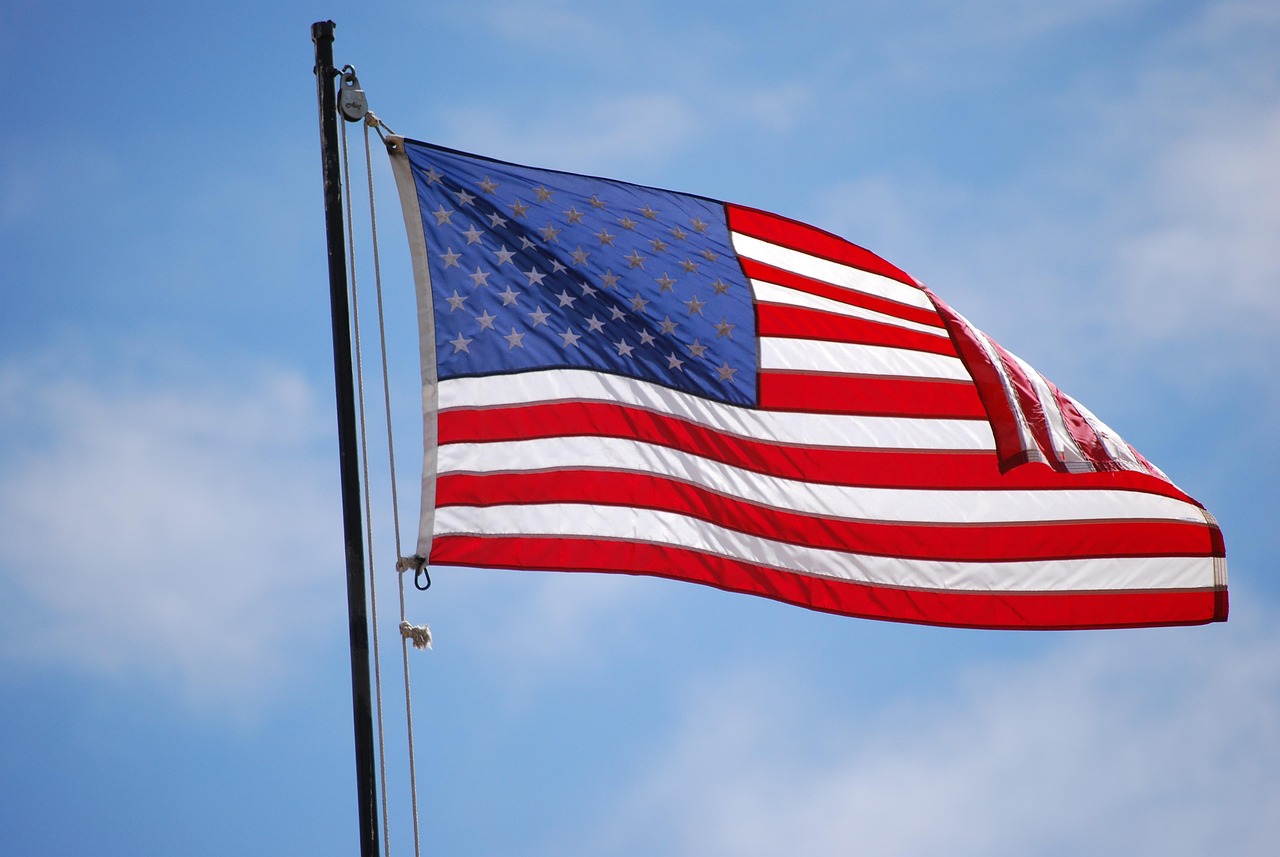
In a patriotic flag store, understanding the symbols and history behind the American flag is a powerful way to instill a sense of pride and respect for our nation in children. The flag, with its stars and stripes, is more than just a piece of fabric; it represents the values, struggles, and achievements of our country. This section examines the significance of each element on the flag, from the colors to the design, as a means to educate and engage young minds.
The American flag, with its 50 stars and 13 stripes, tells a story. Each star represents one of the 50 states that make up the United States of America, symbolizing unity and the diverse communities that comprise our nation. The 13 stripes, alternating red and white, represent the original 13 colonies that declared independence and formed the foundation of our country. These symbols, carefully designed and arranged, serve as a powerful visual reminder of our history and the principles upon which our nation was built. In the patriotic flag store, these symbols come alive as tangible representations of our heritage, making them accessible and meaningful for children.
Beyond the flag's symbolism, a patriotic flag store also offers a wealth of resources to explore its history and importance. The Smithsonian National Museum of American History offers online exhibits and resources that examine the evolution of the flag, from early designs to the current version. These tools, available at the patriotic flag store or online, can be used to facilitate age-appropriate conversations about the flag's role in our culture and its value as a symbol of freedom and democracy.
A patriotic flag store can inspire children to honor our military and express their patriotism through the display of honorary flags for military service. These flags, often featuring the images of service members or veterans, serve as a reminder of the sacrifices made by those who protect our freedom. By understanding the history and meaning behind these symbols, children can develop a deeper appreciation for those who have served and continue to serve our country. The store may offer affordable patriotic decor, from flags to flag-themed art prints, that can be used to foster an environment of pride and patriotism in homes and communities.
For parents looking to incorporate these lessons into their children's lives, consider seeking out patriotic clothing accessories and gifts for veterans. These items, available at many patriotic flag stores, allow children to show their support for our military in a tangible way. By wearing or giving these items, children can feel connected to the larger community of patriots and better understand the importance of honoring those who have served. This simple act of showing support with patriotic goods can be a meaningful way to celebrate national pride events, such as Flag Day and the 4th of July, making the learning experience both educational and enjoyable.
The Importance of Flag Display and Etiquette
Teaching children about flag respect is an essential part of instilling a sense of patriotism and understanding our shared history. This involves not just learning about the symbolism and importance of our nation's flag but also understanding how to display and treat it with the respect it deserves. This includes knowledge of flag etiquette, the rules and regulations surrounding flag display, and the proper care for flags, both indoors and out.
One of the most tangible ways to teach this respect is through the display of flags in homes, schools, and public spaces. Following flag display rules and regulations, such as those set by the U.S. Department of State and the Flag History Society, ensures that the flag is always shown properly. The flag should be flown at half-staff on days of mourning, and it should never be allowed to touch the ground or be draped over objects or individuals. Custom patriotic flags made to specific requests, like personalized flags for events, can be a powerful tool for teaching these lessons. They also allow families to create unique displays that reflect their individual stories and values, making the learning experience more meaningful.
Top-rated flag brands, such as those available at a patriotic flag store, offer products that are not only of high quality but also designed to withstand the elements. Flags made from durable materials like polyester, and treated with weather-resistant coatings, ensure that flags look their best for longer periods. When a flag becomes damaged, it's important to know how to fix it. Torn flags can be mended by experienced artisans, or you can learn the basic techniques yourself. This not only extends the life of the flag but also gives children a hands-on lesson in flag care.
Beyond the home, flags play a significant role in public spaces and events, from school spirit days to 4th of July parades. Personalized flags for events can highlight special occasions, honor military service, or show support for various causes. When teaching children about flag respect, it's crucial to involve them in these displays. They can help choose the design, learn about the symbolism, and even contribute to the creation of the flag. This active involvement fosters a deeper understanding and appreciation for the flag and its significance in our lives.
Remember, the importance of flag display and etiquette extends beyond the physical act of flying a flag. It's about instilling a sense of pride, respect, and responsibility in our next generation. By following the guidelines and incorporating these practices into family and community life, we can ensure that the flag continues to represent the values and history we hold dear. Involving children in the selection and care of flags for schools or community events can create lasting memories and a strong connection to our national symbol.
Engaging Kids with Hands-on Flag Activities

Engaging kids in hands-on activities is a powerful way to instill a sense of respect and understanding for flags. This practical approach not only makes learning enjoyable but also helps them connect with the rich history and symbolism behind the American flag. A visit to a patriotic flag store can serve as an excellent starting point, offering a wide array of resources and products to facilitate this educational journey.
Top-rated patriotic stores near me often carry a variety of flag sets for sale, each designed to cater to different ages and interests. Children in schools can benefit from educational flag sets that include informative booklets or wall hangings, which double as a visual aid for teaching flag etiquette guidelines. These resources can spark meaningful conversations about the flag's history, its significance, and the rules for displaying it properly. A patriotic flag set might feature a detailed illustration of the flag's design, highlighting its colors, stripes, and stars, each with its own symbolic meaning.
Public school spirit can be fostered through the display of American flag art prints, adding a touch of patriotism to classroom walls or community spaces. These prints not only serve as visual reminders of the nation's values but also provide an opportunity for students to learn about flag design and the evolution of its symbolism. A public school spirit American flag art print could depict a historical event, such as the signing of the Declaration of Independence, accompanied by a brief description of its significance. Engaging in these hands-on activities allows children to develop a personal connection with the flag, fostering a deeper sense of pride and respect for their country.
Remember, the key to successful flag education is making it interactive and relatable. By combining practical activities with educational resources, you create an environment where kids can actively participate in preserving and honoring the flag's legacy.
Promoting Flag Respect and Patriotism in Daily Life
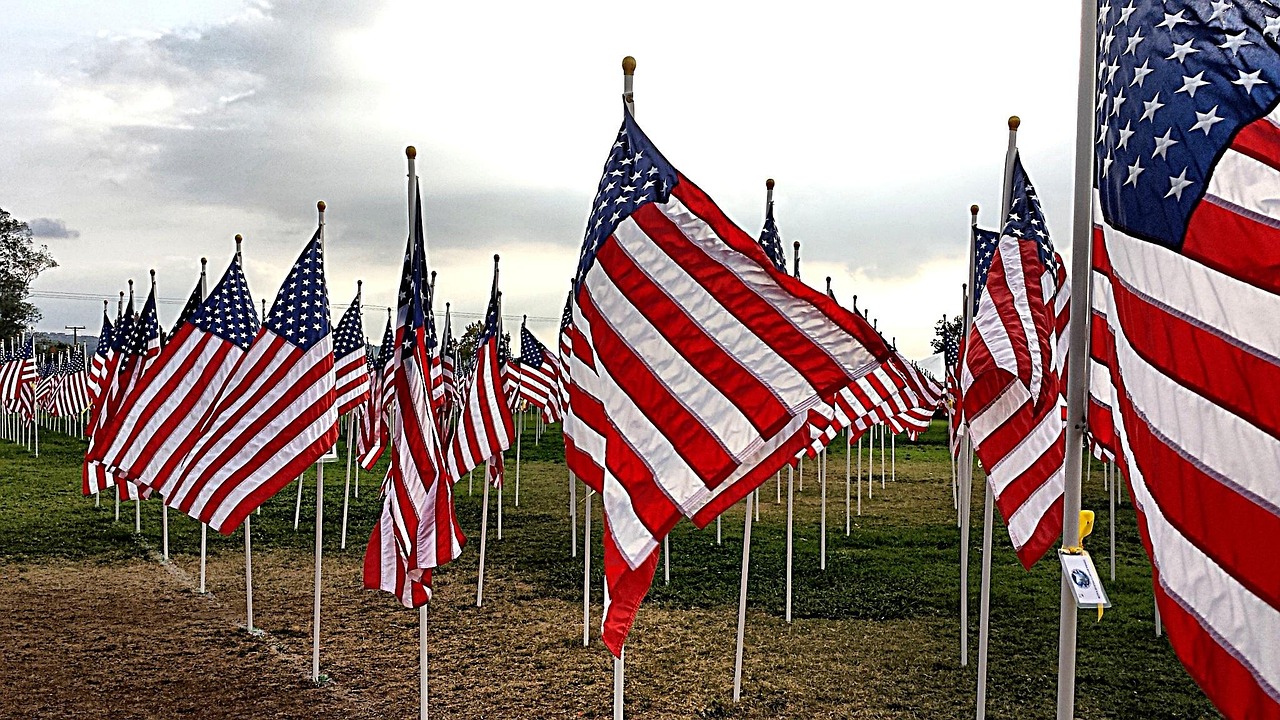
Teaching kids about flag respect and patriotism isn't just about memorizing the history of the American flag or reciting the Pledge of Allegiance. It's about ingraining a sense of pride and appreciation for what the flag represents in their daily lives. This starts with understanding the significance of displaying a flag properly and regularly, which can be a powerful tool for teaching respect.
A patriotic flag store can serve as a valuable resource for families looking to incorporate flag education into their routine. When should I display patriotic flags? The U.S. Department of State recommends having a flag on display in public and private buildings, schools, and homes on specific national holidays like the Fourth of July and Flag Day. This consistent visual reminder can spark conversations about the flag's symbolism and its role in our history and culture. Discussing the meaning behind each stripe and star can provide a meaningful learning experience for children.
Best places for patriotic gear, such as a patriotic flag store, often carry a variety of flag-themed products that can enhance these lessons. Classroom flag displays, for example, can turn a regular classroom into a space that celebrates our nation. These displays can be a focal point for discussions about American values, history, and the importance of civic engagement.
Proper flag display is a key aspect of teaching respect. A patriotic flag store can help with this by offering guidance on flag etiquette, including how to fly a flag properly and when to take it down. Flags should be removed during times of national mourning, and they should never be left up in bad weather unless they are properly secured. Understanding and following these guidelines teaches children about the care and respect due to the flag, reinforcing its significance in our lives. When considering where to buy American flags, it's important to choose from reputable manufacturers who adhere to Flag Standards and Specifications, ensuring the flags are of the highest quality and respect the symbolism they represent.
Finally, incorporating flag care into daily life can be as simple as giving us a call at cleaning and storing flags. Regular cleaning and proper storage, especially for outdoor flags, ensure they remain in good condition and maintain their symbolic value. This simple act can instill in children a sense of responsibility and respect for the flag's longevity, reflecting the importance of its message.
Teaching Respect for the Flag at a Local Elementary School
Situation
In a small, diverse elementary school in a suburban community, teachers noticed a growing apathy among students towards the American flag. During flag-related activities, students often seemed disengaged, showing little understanding or respect for its symbolism. This concern was further heightened by recent incidents of disrespectful behavior, including tearing and misplacing the school's flag. The school administration recognized the need to educate students about the flag's history, significance, and proper display, fostering a deeper sense of patriotism and respect.
Action
The school's parent-teacher association (PTA) partnered with a local patriotic flag store to organize a comprehensive, multi-faceted initiative. They implemented a three-step program:
-
Interactive Workshop: A dedicated staff member from the flag store led an engaging workshop for each grade level. Using age-appropriate activities, they taught students about the origins, symbolism, and importance of the American flag. This included discussions on the stars and stripes, historical events tied to the flag, and its role in various aspects of American life.
-
Flag Display and Care Project: Students were divided into small groups and tasked with designing and creating their own flag display areas within the school. They chose themes, crafted decorations, and decided on a prominent location for their displays. Simultaneously, the PTA organized a flag care clinic, teaching students how to properly fly, clean, and store flags.
-
Community Engagement: The school organized a community-wide flag day celebration, inviting local veterans, active-duty military personnel, and community leaders to share their experiences and stories. This event included a parade, a moment of silence, and a flag-raising ceremony, emphasizing the flag's significance in a broader context.
Result
The initiative yielded positive, measurable results:
-
Increased Engagement: Following the program, teachers reported a significant improvement in student participation during flag-related activities. Students demonstrated a deeper understanding of the flag's symbolism and its role in American history.
-
Enhanced Respect: The school experienced a notable decrease in incidents of disrespect towards the flag. Students became more mindful of the flag's proper display and care, leading to better maintenance and longer-lasting flags.
-
Community Pride: The flag day celebration brought the community together, fostering a stronger sense of local pride and patriotism. Over 100 individuals from the community, including veterans and military families, participated in the event, emphasizing the school's role in promoting flag respect and national pride.
Quick Reference
-
Educate about the Flag's History and Symbolism: Introduce children to the rich history and meaning behind the flag, including its design and the stories it represents.
-
Promote Flag Etiquette: Teach proper flag display and handling, covering rules for size, placement, and respect during ceremonies.
-
Involve Children in Flag Projects: Encourage participation in flag-making, hanging, or decorating to foster a sense of ownership and pride.
-
Explain the Importance of Respect: Emphasize that respecting the flag is a sign of respect for the values and freedom it represents.
-
Display Flags with Pride: Show how to hang flags outdoors and indoors, ensuring they are visible and well-cared for, especially during patriotic holidays.
-
Explore International Flags: Introduce children to flags from around the world, fostering cultural understanding and appreciation for diversity.
-
Practice Flag Ceremony Etiquette: Guide kids on how to stand, salute, and act during flag ceremonies, ensuring they understand the significance of these rituals.
-
Repair and Preserve Flags: Teach basic flag repair techniques and the importance of storing and cleaning flags to extend their lifespan.
Comparing Different Approaches to Teach Kids About Flag Respect
This section compares various methods and resources for teaching children about flag respect, highlighting key features, use cases, strengths, limitations, and cost-effectiveness.
| Feature | Classroom Flag Displays | Flag Etiquette Guidelines | Affordable Patriotic Decor |
|---|---|---|---|
| Key Features | Hands-on learning through display, discussions, and activities. | Rules and regulations for proper flag handling and display. | Inexpensive flags, decorations, and educational materials to enhance learning. |
| Best Use Cases | Ideal for schools and educational institutions to instill a sense of national pride and respect for symbols. | Effective for community events, patriotic gatherings, and historical sites to promote proper flag usage. | Suitable for homes, classrooms, and public spaces to decorate and educate without breaking the bank. |
| Strengths | Engages students through visual and interactive learning, fostering a deeper understanding of flag symbolism. | Provides clear standards, ensuring respect for the flag and its history, and promoting pride in one's country. | Offers cost-effective ways to incorporate patriotic themes, making education accessible to a wider audience. |
| Limitations | Requires active teacher involvement and planning. | May not cover all variations in flag display protocols across different regions and cultures. | Limited to the availability and quality of affordable patriotic merchandise. |
| Cost/Performance | Can be moderately priced, depending on the materials and the educational value added. | Generally inexpensive, especially when accessed through online resources or printed materials. | Highly cost-effective, allowing for widespread use in various settings. |
Frequently Asked Questions About How to Teach Kids About Flag Respect
What is the importance of teaching kids about flag respect?
Teaching kids about flag respect is crucial because flags represent the values, history, and identity of a nation. By understanding the significance of flags, children learn about their country's heritage, develop a sense of patriotism, and cultivate an appreciation for the sacrifices made by those who defend it. This education fosters a deeper connection to their community and encourages responsible citizenship.
How can I start a conversation about flag respect with young children?
Begin by explaining that flags are special symbols that represent countries and their people. Share stories or examples of historical events where flags played a pivotal role. Use age-appropriate language and visuals, like pictures or books, to illustrate the meaning and history behind the American flag, for instance. Encourage children to ask questions and express their thoughts, fostering an open dialogue.
What are some practical ways to teach kids about flag etiquette?
Practical lessons are key. Demonstrate how to properly raise, lower, and fold a flag. Teach children the meaning of different flag positions; for example, a flag at half-mast indicates mourning. Explain the significance of certain flag designs and colors. Practice these actions together, making it a hands-on learning experience. Discussing the importance of respecting the flag in various settings, like schools, homes, and public spaces, is also essential.
Why is it important to respect a torn or damaged flag?
Repairing or disposing of a torn or damaged flag is a sign of respect. It shows appreciation for the symbolism it represents. Teach children that a tattered flag can still be honored. If repairing it is feasible, involve them in the process. Otherwise, explain that it's being retired, symbolizing the end of a service or event. This practice reinforces the idea that respect for a flag extends beyond its physical condition.
Can you suggest ways to incorporate flag education into classroom activities?
Classroom flag displays can be powerful learning tools. Hang various flags from different countries on a bulletin board. Discuss their unique characteristics, colors, and patterns. Assign projects where students research and present the history and symbolism of a chosen flag. Incorporate flag-themed arts and crafts, like designing their own flag or creating flag-themed artwork. These activities make learning about flags engaging and memorable.
Teaching children about flag respect is a valuable endeavor, made easier by utilizing the resources and expertise found in a patriotic flag store. By understanding the symbols and history of the flag, engaging in hands-on activities, and promoting patriotic values in daily life, parents and educators can instill a deep sense of respect and pride in our nation's symbol. This article has provided practical guidance and insights, empowering readers to display and care for the flag properly, explore its global significance, and even create unique displays that reflect their personal connection to its meaning. The patriotic flag store serves as a vital hub for learning, offering a wealth of knowledge and high-quality products that can enhance flag education and ensure its enduring respect.
Summary:
Teaching kids about flag respect involves understanding the symbolism and history behind the American flag. A patriotic flag store offers resources to facilitate this education, including:
- Flag Symbolism: Explaining the meaning of stars and stripes, connecting them to the nation's unity, history, and principles.
- Hands-On Activities: Offering flag sets, art prints, and decor to engage kids interactively, making learning fun and memorable.
- Flag Display: Guiding families on when and how to display flags, emphasizing proper care and respect, and fostering a sense of responsibility.
- Patriotism: Inspiring kids to honor military service with honorary flags and show support for veterans through patriotic clothing and gifts.