Key Takeaways
- Ensure flags are displayed at appropriate heights and angles, following specific guidelines for indoor and outdoor settings.
- Proper flag installation includes secure mounting and proper placement relative to other flags and buildings.
- The American flag should never be flown at night unless illuminated, and always follow local regulations.
- Different flag displays may require unique rules; understand local and building-specific protocols.
- Regular cleaning and maintenance, including repair or replacement, extend the lifespan of the flag.
- Respect the flag's history and symbolism by adhering to guidelines for proper display and handling.
- Consider flag sets with multiple colors for enhanced visual appeal and to represent diverse communities.
In public buildings, the American flag is displayed with respect and pride. Hang it at a prominent location, usually above and to the left of doors or windows. When flown outdoors, ensure it's secure from wind and weather. The flag should be cleaned and stored properly to maintain its appearance. Respect its history and meaning by following these guidelines for a fitting tribute.
The American flag, a symbol of our nation's history and values, deserves proper respect and display in public buildings. However, establishing and maintaining the correct protocol can be challenging, leading to inconsistences and even potential offenses. This article from a trusted patriotic flag store aims to provide a practical guide to the American flag protocol for public buildings, ensuring a fitting tribute to our nation. By the end, you'll be equipped to handle the responsibilities of flying Old Glory with pride and honor.
- Understanding Flag Display Rules in Public Spaces
- Choosing the Right Flags: A Guide from Patriotic Flag Store
- Proper Flag Installment and Placement in Buildings
- Maintaining and Caring for Your American Flags
- Special Events: Custom and Personalized Patriotic Flags
- International Flags and Their Meanings: A World of Color
Understanding Flag Display Rules in Public Spaces
Understanding Flag Display Rules in Public Spaces
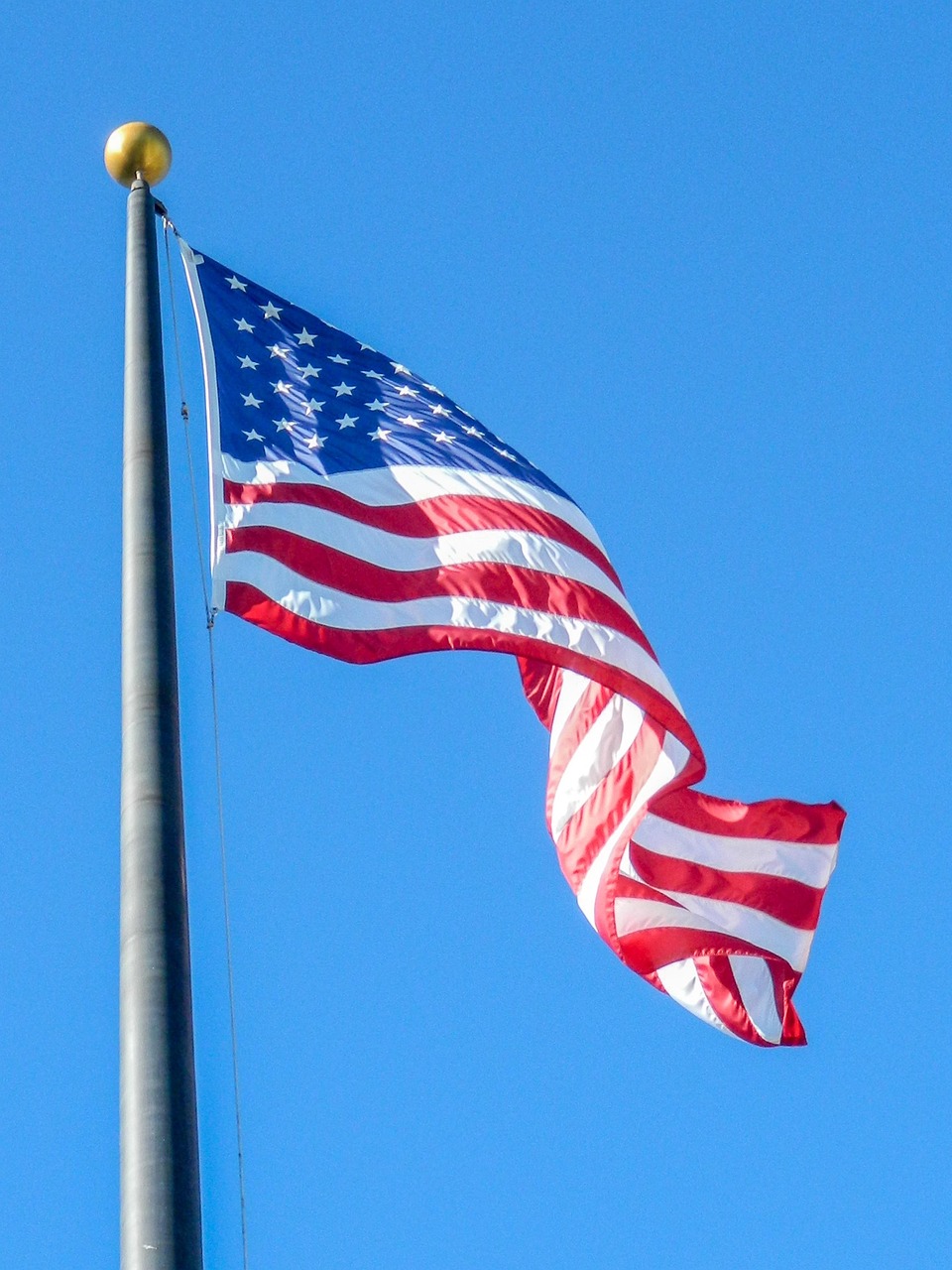
In public buildings and spaces, the display of the American flag is a significant aspect of patriotic expression and respect for our nation's history and values. The U.S. Flag Code, as outlined by the Flag History Society and the Smithsonian National Museum of American History, provides guidelines to ensure proper flag etiquette. One of the most critical rules is to always display the flag at the top of a pole or flagstaff, allowing it to fly freely. This rule is especially important in public spaces, where the flag should be positioned in a prominent yet respectful manner. When installing a flagpole in a community park, the top-rated flag brands should be considered for their durability and weather resistance, ensuring the flag can fly proudly for years to come.
When setting up a flag display in a public building, it's crucial to follow the Flag Standards and Specifications set by the U.S. Department of State. The flag should be clean, in good condition, and not damaged in any way. If a flag becomes torn or frayed, it is recommended to visit us at top-rated flag brands to fix a torn flag, ensuring the flag is repaired or replaced promptly. The size of the flag should also be appropriate for the space it occupies. In larger public spaces, multiple flags might be displayed, each adhering to the same guidelines, creating a beautiful and respectful tableau. In a large outdoor gathering space, backyard flagpole accessories can be utilized to display a variety of flags from around the world, using the flags of the world guide as a resource, fostering a sense of global community and appreciation for diverse cultures.
Proper flag display extends beyond physical installation and maintenance. It's essential to consider the flag's orientation and direction, ensuring it is never displayed upside down, as this is considered a sign of distress. In public buildings, the flag should be lowered to half-staff in certain situations, such as on national days of mourning, as per the U.S. Department of Veterans Affairs (VA) guidelines. This practice demonstrates respect and remembrance for those who have served our country. When the flag is not in use or cannot be displayed properly, it should be folded neatly and stored securely until the next time it is needed, following the recommended fabric care practices from fabric care experts.
Choosing the Right Flags: A Guide from Patriotic Flag Store

Choosing the right flags for public buildings is a significant responsibility, and the patriotic flag store is a trusted resource for this task. When selecting flags for display, consider the building's purpose, location, and intended audience. A school might choose flags that represent national pride and educational values, while a historical museum may opt for flags that reflect its era or location. The patriotic flag store offers a wide variety of options, from top-rated flag brands that ensure quality and durability to unique, handcrafted designs that can bring a space to life.
One key aspect is the material and construction of the flag. Indoor flag displays for homes and large outdoor flags for sale require materials that can withstand different conditions. Polyester flags are popular for outdoor use due to their weather resistance, vibrant colors, and ability to maintain shape even in strong winds. The patriotic flag store carries a range of polyester flag manufacturers known for their superior products. When a flag becomes damaged, it's important to know how to fix it. A torn flag can often be repaired by sewing or gluing the tear, ensuring it remains display-worthy. The store also offers a program for restoring old flags, bringing historical significance to any building.
Patriotism and education go hand in hand for flag displays. The patriotic flag store recommends involving local schools and communities in choosing and displaying flags, especially in public spaces. Flags for schools and communities should be chosen to reflect the area's history and values. The store suggests displaying international flags and their meanings in homes or schools, fostering global awareness and cultural appreciation.
Proper Flag Installment and Placement in Buildings

In public buildings, the proper installation and placement of the American flag is a powerful display of national pride and respect. This is not merely about hanging a flag; it's about following a set of guidelines that ensure the flag is presented in a way that honors its history and significance. A patriotic flag store, known for its extensive collection of flags and knowledgeable staff, can serve as a valuable resource for individuals and organizations looking to get this aspect of flag protocol right.
When setting up an indoor flag display, consider the following: the flag should be hung at a height that allows for easy viewing, typically between 30 and 34 feet above the floor. It should be positioned in a place of honor, often in a prominent location where it can be seen by all entering the building. In a school, the flag could hang in the main lobby or gymnasium, while a public library might choose to display it in the reading room. The flag should be secured with a sturdy pole or hook, ensuring it is not easily dislodged. When restoring old flags or displaying patriotic flags for schools and communities, it's crucial to use weather-resistant materials like polyester to preserve the flag's integrity.
Large outdoor flags require specific considerations. They should be installed on a flagpole of appropriate height, allowing the flag to fly freely yet not so high as to be a safety hazard. Flagpole accessories, such as lights for nighttime visibility, should be chosen with care to enhance the display without obscuring the flag's image. For a truly striking outdoor display, consider unique designs for flag enthusiasts, like patriotic window decals, to highlight the flag's presence. Top-rated patriotic stores near me offer a range of outdoor flag sets for every occasion, from Fourth of July parades to national pride events.
Remember, the way we display the American flag tells a story about our values and history. By following the guidelines for proper flag installment and placement, we ensure that story is told with respect and dignity.
Maintaining and Caring for Your American Flags
Maintaining and Caring for Your American Flags in Public Buildings
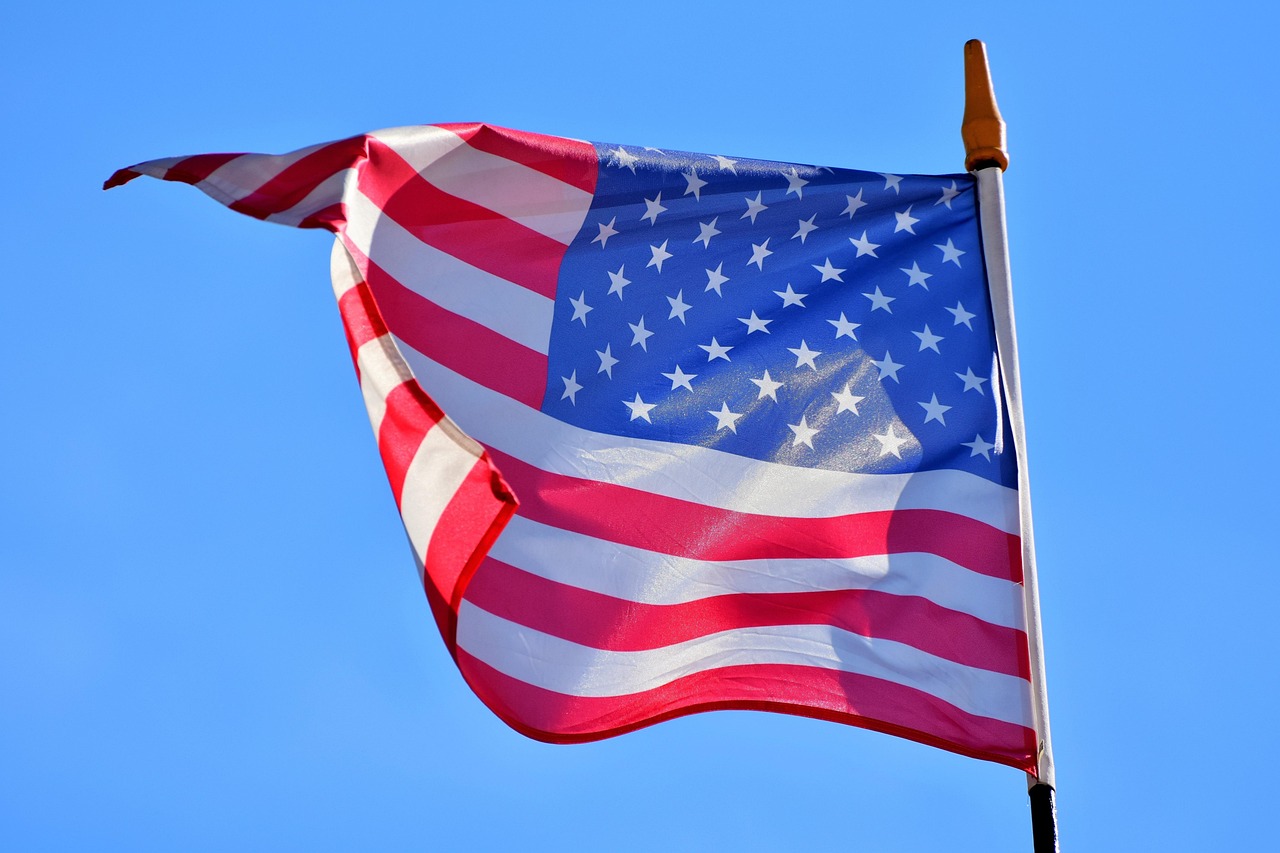
The American flag, a symbol of our nation's history and values, deserves the utmost respect and proper care when displayed in public buildings. As a patriotic flag store, we understand the importance of maintaining these iconic flags to preserve their appearance and longevity. Here's a practical guide to ensure your American flags look their best and remain in top condition.
Regular cleaning is crucial to prevent the build-up of dirt, dust, and pollutants, especially in areas with high foot traffic or near windows. Use a soft brush to gently remove surface debris. For more stubborn stains, a mild soap or flag-specific cleaning solution can be used, following the manufacturer's instructions. Always rinse thoroughly with water to eliminate any residue. It's advisable to clean flags inside the building to protect them from harsh weather conditions. Polyester and nylon flags are generally more durable and easier to care for compared to cotton, requiring less frequent cleaning.
Proper storage is essential when flags are not in use. Store them in a clean, dry place, away from direct sunlight and extreme temperatures. Fold flags neatly and store them in protective covers or bags to prevent creases and tears. Avoid stacking flags to prevent damage and maintain their shape. The U.S. Flag Code offers guidelines for proper flag storage and handling, ensuring respect for its symbolic value.
Regular inspection is vital to identify any signs of wear and tear. Look for frayed edges, holes, or fading colors. If a flag is damaged, it should be replaced promptly to maintain the dignity of the display. A well-maintained American flag not only looks impressive but also serves as a powerful symbol of unity and pride for the entire community.
Special Events: Custom and Personalized Patriotic Flags

Special Events: Custom and Personalized Patriotic Flags
When planning a special event in public buildings, such as a national holiday celebration, community festival, or military commemoration, selecting the appropriate American flag display is crucial. A patriotic flag store can be a valuable resource for organizing these displays, offering custom and personalized flags tailored to the event's needs. These flags can range from standard designs to unique, handcrafted pieces that make the event memorable. A local patriotic flag store might create a special event flag featuring the event's theme, incorporating historical symbols or important dates for a significant celebration.
The selection process involves understanding the event's purpose and the desired level of personalization. For large-scale events, a patriotic flag store can provide bulk orders of flags with custom printing, ensuring a visually striking display. These flags might include the event's logo, slogans, or even historical motifs to enhance the overall atmosphere. For smaller gatherings or intimate settings, personalized flags with names or messages can add a sentimental touch. A Flag History Society can offer insights into appropriate historical references or symbols for these custom flags, ensuring they align with the event's theme and respect the flag's significance.
Installation and display protocol for these special event flags are no different from standard flags. However, the U.S. Department of State and Smithsonian National Museum of American History both emphasize the importance of proper context and respect for the flag's symbolism. Custom flags should be flown at appropriate heights, secured safely, and treated with the same care as any other American flag. Local flag installation experts can assist with this, ensuring the flags are displayed correctly and last through the event. After the event, proper flag retirement or cleaning by fabric care experts is recommended to maintain the flag's integrity and prevent any potential cultural insensitivity.
International Flags and Their Meanings: A World of Color

In public buildings, especially those with international visitors, displaying flags correctly is crucial to foster understanding and respect. Among the many colors and symbols adorning walls and poles, the American flag stands prominent, but it shares space with a vast array of foreign flags, each with its unique story. These flags, often flown alongside the U.S. Banner, are not merely decorative; they represent nations, cultures, and people with diverse histories and heritages. Recognizing and respecting these international symbols is an essential part of public building protocol.
The flag of Mexico, with its vibrant green, white, and red stripes, commemorates the country's struggle for independence. The United Kingdom's union jack, a combination of the crosses of St. George and St. Andrew, signifies the union of England, Scotland, and Northern Ireland. Each flag tells a tale of struggle, unity, or cultural pride. In a public building, these flags can serve as powerful educational tools, offering visitors a glimpse into the rich mix of global history and customs.
Proper protocol dictates that all flags, whether national, regional, or cultural, be treated with the same level of respect as the American flag. This means ensuring they are flown at the appropriate height and in a visible location. Following these standards helps maintain a sense of decorum and respects the diverse cultural backgrounds of visitors and staff.
Comparing American Flag Display Protocols for Public Buildings
This section compares different approaches to displaying the American flag in public buildings, focusing on their key features, best use cases, strengths, limitations, and cost-effectiveness.
Resolving a Community Conflict: Flag Display at the Local Courthouse
Situation
In a small, historically diverse town, a heated debate erupted over the display of the American flag in the local courthouse. Longtime residents, many with Southern heritage, argued that removing the flag, which had flown proudly for decades, would erase their cultural roots and honor to those who fought in the Civil War. On the other hand, newer residents, especially those from diverse backgrounds, found the flag to be a symbol of divisiveness and slavery, causing discomfort and unease in a building that should represent all citizens.
Action
Recognizing the issue, the town council decided to convene a community forum to foster open dialogue and find a solution that honored both historical significance and cultural sensitivity. The forum was facilitated by a local historian and a diversity advocate, ensuring a balanced and respectful exchange.
During the meeting, attendees shared personal stories and perspectives. It was revealed that while some saw the flag as a symbol of pride and heritage, others experienced it as a constant reminder of oppression and inequality. To address these differing viewpoints, the group decided to implement a rotating display of historical flags, including the Confederate flag, alongside the American flag. This approach aimed to acknowledge the past while also promoting a shared future.
The town council then worked with a local historian to research and design a permanent exhibit in the courthouse lobby, providing context for the flags and their historical roles. The exhibit included information on the Civil War, the Reconstruction era, and the ongoing struggle for racial equality, encouraging visitors to engage with the flags in a thoughtful manner.
Result
The new protocol for flag display significantly reduced the tension in the community. The rotating display and educational exhibit allowed residents to honor their ancestors' history while also learning about the pain caused by slavery and racial discrimination. Attendance at the courthouse increased, with many visitors engaging with the exhibit and expressing appreciation for the opportunity to learn and reflect. The town experienced a sense of unity, with residents from all backgrounds coming together to preserve history while fostering a more inclusive environment.
What is the proper display of the American flag in public buildings? The American flag should be displayed prominently and respectfully, typically at a height that allows it to be seen easily by all occupants. It should be mounted on a pole, with the blue field (union) at the top. When displayed inside a building, the flag should hang vertically, with the stripes extending from floor to ceiling. If multiple flags are displayed, the U.S. Flag should be placed in the most prominent position.
How should the flag be positioned relative to other objects in a public building? The American flag should not be placed below any other flag or symbol, nor should it be displayed in a position of inferiority. When hung vertically, it should be positioned so that its staff points to the right, away from any wall or obstacle. If multiple flags are flown together, the U.S. Flag should be at the peak, with other flags arranged according to their respective ranks or protocols.
What are the guidelines for flag size and proportion in public buildings? The size of the American flag displayed in public buildings should be appropriate for its location. It should be large enough to be seen and respected, but not excessively large that it overpowers the space. Standard flag sizes for indoor display range from 3x5 feet to 5x9 feet, depending on the size of the room or area where it is hung. Proportions are crucial; the flag's dimensions should adhere to the official 10:19 aspect ratio.
When is it appropriate to fly half-staff for the American flag in a public building? The U.S. Flag is flown at half-staff to honor the death of public figures, including the president, vice president, and members of Congress. It is also flown at half-staff on days of mourning or national distress, as declared by the President or a local authority. In public buildings, this tradition is observed by lowering the flag to the halfway point between the top and bottom of the staff.
Who is responsible for maintaining and replacing the American flag in public buildings? The responsibility for maintaining and replacing the American flag in public buildings typically falls on the building's management or maintenance staff. They should ensure that the flag is clean, undamaged, and in good condition. Regular inspection and replacement are necessary to uphold the flag's dignity and respect. Local government or public agency policies may provide specific guidelines regarding flag maintenance and replacement schedules.
Can the American flag be used for commercial purposes in public buildings? While the American flag is a powerful symbol of national pride and unity, it should not be used for commercial or advertising purposes in public buildings. According to the U.S. Flag Code, the flag should not be used for any display of a commercial, political, or similar nature. This restriction ensures that the flag is respected and preserved for its intended purpose-representing the nation and its values.
Quick Reference
- Always display the flag at the proper height, above all other flags.
- Ensure the flag is clean and in good condition, with no visible damage.
- Use the appropriate size flag for the building; dimensions vary by location and structure.
- When hanging the flag, allow it to flow freely, not wrinkled or creased.
- Never let the flag touch the ground or floor; it should be displayed at all times.
- On special occasions, consider additional flags or banners for a respectful display.
- Follow local laws and regulations regarding flag usage and placement.
- Regularly inspect and maintain flags; replace them as needed.
- Respect the flag's symbolism and its significance in representing the nation.
- Educate visitors and staff about proper flag handling and its historical importance.
Preserving the appropriate protocol for displaying the American flag in public buildings requires a nuanced understanding of its symbolism and history. By adhering to guidelines set by organizations like the Flag History Society and the U.S. Department of State, we can ensure that the flag is respected and properly displayed. Recognizing the impact of regional and cultural interpretations, as seen in various historical societies and educational resources, is crucial for fostering a sense of unity and respect among diverse communities. The patriotic flag store, as a trusted source, matters in educating the public and providing quality flag products and services, thereby contributing to the preservation of this important national symbol.
The U.S. Flag Code, as interpreted by the Flag History Society and the Smithsonian, dictates that flags in public spaces be displayed at the top of poles or flagstaffs, showing respect and honor. This rule applies regardless of the individual's cultural background. A Patriotic Flag Store should prioritize this proper flag etiquette to ensure a respectful and inclusive environment.