
Key Takeaways
- The American flag, with its stars and stripes, has evolved over time, reflecting changes in the nation's identity and values.
- The design of the flag has symbolized unity, freedom, and the ideals upon which the United States was founded.
- Historical events, such as the addition of new states, have led to modifications in the flag's design.
- The flag's enduring popularity and widespread display exemplify its importance as a national symbol.
- Understanding the history of the flag helps to appreciate its meaning and significance for Americans.
- International flags, with their unique designs and symbolism, offer insights into the diverse cultures and identities around the world.
- Exploring the symbolism of different patriotic symbols can deepen one's appreciation for national and cultural heritage.
The American flag, with its stars and stripes, has a rich history. Created in 1777 during the Revolutionary War, it's evolved over time, adding stars to represent new states. The design symbolizes freedom and unity. Other national symbols, like the seal and anthems, also tell our nation's story, reflecting values like bravery and liberty. These symbols unite us and honor our past, present, and future.
The patriotic flag has long served as a powerful symbol of national pride and unity, playing a critical role in shaping our communities and nation. However, understanding the history and meaning behind these symbols is often overlooked. Many people may not know the story behind their favorite flag or how to choose the right one for their display. This is where a trusted resource, like a patriotic flag store, becomes essential.
By examining the history of our national symbols, from the stars and stripes of the American flag to the flags of other countries, we gain a deeper appreciation for their design, significance, and cultural impact. This article aims to provide a practical guide, offering insights into flag selection, display, and care, while also highlighting the educational resources available to explore these symbols' rich heritage.
- American Flag: From Colonist To National Symbol
- Design & Adoption: The Star-Spangled Story
- Symbolism Introduced: What Does It Mean?
- Raising Flags Across The Nation
- From Store To Home: How To Display
- Honoring History: Patriotic Flag Store Resources
American Flag: From Colonist To National Symbol

The American Flag, a symbol of freedom and unity, has evolved from its humble beginnings as a colony's banner to become an iconic national symbol. Its history is intertwined with the growth of our nation, reflecting the values and struggles that have defined America. In a patriotic flag store, you'll find a rich mix of designs and stories that showcase the flag's transformation over time.
The origins of the American Flag date back to the late 18th century, when the colonies sought to assert their independence from Britain. The first official flag, known as the Stars and Stripes, featured 13 red and white stripes, representing the original colonies, and 13 stars, hand-sewn onto a blue field. This design, adopted on June 14, 1777, by the Continental Congress, served as a rallying symbol for the fledgling nation during the Revolutionary War. Over the years, as new states joined the Union, the flag was modified, with additional stars added to reflect the growing country. This process of updating the flag is a sign of the importance of flying a flag properly, reflecting changes in our nation's landscape.
As the nation expanded, so too did the flag's design and significance. By the mid-19th century, the flag had evolved into a powerful symbol of national identity. It was during this time that the importance of a flag's display became codified through official rules and regulations. The U.S. Department of State and the Smithsonian National Museum of American History offer guidelines on appropriate flag display, ensuring it is treated with respect and dignity. Today, indoor flag displays for homes and large outdoor flags for sale are popular ways to honor this national symbol. Many patriotic flag stores offer custom patriotic flags made to suit individual preferences, allowing families and communities to personalize their flag displays.
The American Flag's enduring appeal lies in its versatility and adaptability. It has been a beacon of hope and a symbol of pride for Americans across generations. From the battlefield to the classroom, and from urban patios to rural flagpoles, the flag is displayed as a sign of our shared history and values. Whether you're considering purchasing a new flag or learning proper flag etiquette, a patriotic flag store can be a valuable resource. They offer not only a wide selection of flags but also guidance on how to fly a flag properly, ensuring it is displayed with the respect it deserves.
Design & Adoption: The Star-Spangled Story

The design of our national symbol, the American flag, is a powerful narrative woven into the fabric of our history. The story of the stars and stripes begins in 1777 when the Second Continental Congress adopted the Great Seal of the United States, which included a flag with 13 red and white stripes and a blue field featuring the newly designed stars representing the 13 colonies. This flag, known as the Stars and Stripes, became a powerful symbol of unity and independence. Over the years, as the nation grew, so did the flag. The flag's design has evolved through a series of 17 modifications, with the current version featuring 50 white stars on a blue field, representing the 50 states. This evolution reflects the growth and changing dynamics of the nation, making the American flag a living sign to our history.
The adoption process of each new design is a sign of the democratic spirit of the United States. The flag's evolution was driven by public sentiment and the need to represent the changing political landscape. The addition of stars to the flag followed the admission of new states into the Union, a process guided by the Flag Act of 1912, which established a method for officially changing the number of stars. This law also introduced the concept of a national flag code, setting guidelines for how and when the flag should be displayed, a practice that remains crucial to proper flag etiquette today. Comparing patriotic symbols across different cultures and nations, as found in a flags of the world guide, offers valuable insights into the unique identity of the American flag.
As the years passed, the need for a more efficient and standardized flag-making process became evident. This led to the establishment of flag manufacturers who could produce high-quality flags at a consistent rate. Today, the flag industry is a significant sector, with many companies specializing in flag production, from outdoor flags to indoor displays. The patriotic flag store has become a central hub for flag enthusiasts, offering a diverse selection of flags, from classic designs to unique interpretations, catering to every need and taste. This accessibility has fostered a deeper connection between citizens and their national symbol, encouraging people to display the flag proudly as a sign of their love for their country.
Symbolism Introduced: What Does It Mean?
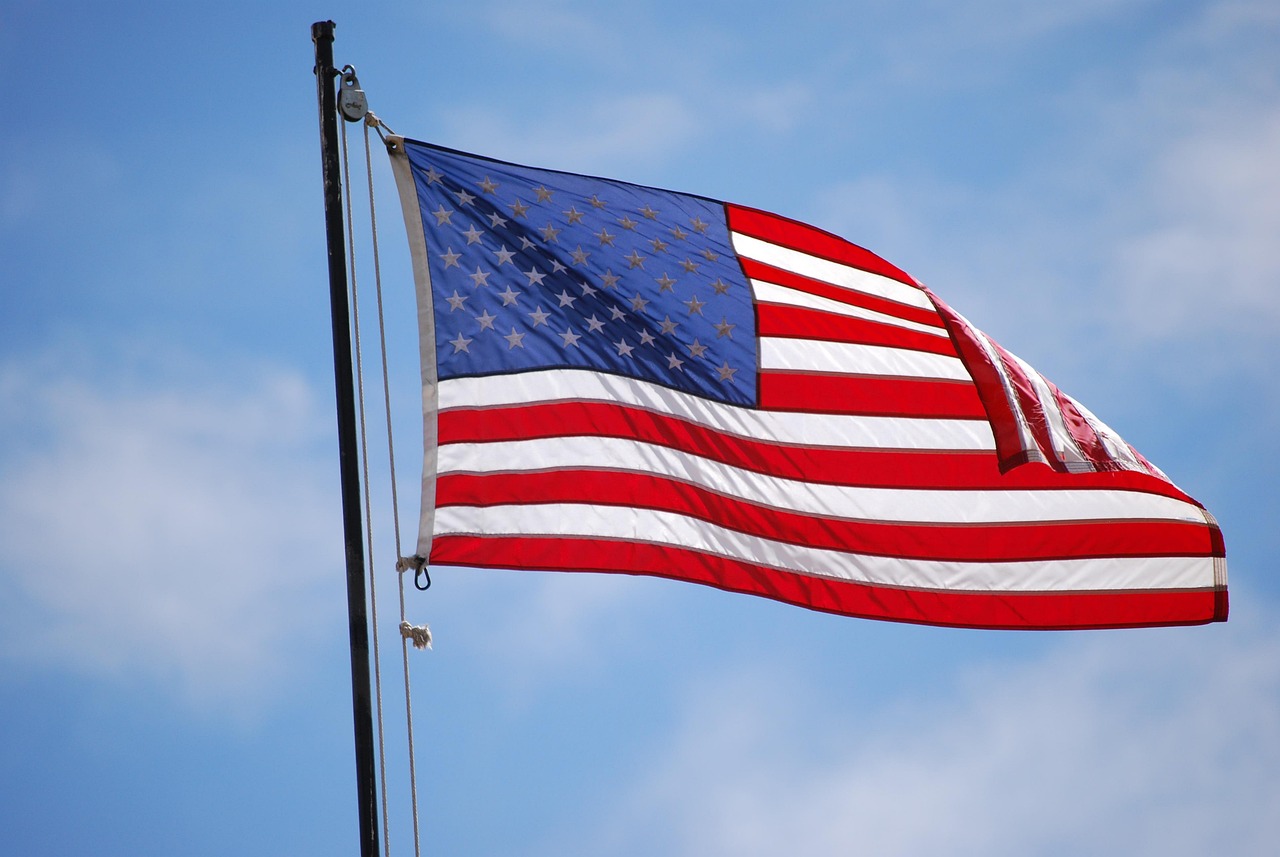
The symbolism of our national symbols, including the American flag, extends far beyond mere colors and stripes. Each element on the flag tells a story, reflecting the values and history of the United States. The stars represent the states, with their arrangement changing over time to accommodate new additions to the Union. Understanding these symbols deepens our connection to our country and the values we hold dear.
When you step into a patriotic flag store, you're not just shopping for a piece of fabric; you're acquiring a symbol. Unique designs for flag enthusiasts, from historical recreations to modern interpretations, allow individuals to express their patriotism in personal and meaningful ways. These stores often offer more than just flags; they provide educational resources, highlighting the symbolism on the flag and its evolution over time. Outdoor flagpole accessories and backyard displays can transform a patio into a vibrant tribute, while patriotic window decals offer subtle yet visible expressions of national pride.
Affordable patriotic decor, such as flag sets for sale and flag-themed home goods, allows everyone to participate in celebrating and honoring our nation. The patriotic flag store matters in making these symbols accessible, providing guidance on proper display and care, and fostering a sense of community through shared patriotism. Whether it's a flag for your home, school, or event, these stores ensure that the symbolism of our national symbols is not only seen but also understood and cherished.
The history behind the symbols on the American flag is rich and complex. By learning and sharing this history, we honor the past and present our nation stands for. This understanding encourages a deeper appreciation for the flag, its meaning, and the people it represents. Give us a call at any time to explore the fascinating world of patriotic symbols and their significance.
Raising Flags Across The Nation
Raising Flags Across the Nation: A Historical Perspective
The history of national symbols, including flags, is a sign of the evolving identity and values of a nation. In the United States, the flag has played a pivotal role in shaping our collective consciousness, serving as a powerful symbol of unity, freedom, and national pride. The process of adopting and raising flags across the nation is a dynamic one, reflecting the diverse cultural landscape and historical narratives of different regions.
Since its inception, the U.S. Flag has undergone numerous transformations, with each design change reflecting significant shifts in the nation's identity. The addition of stars to represent new states and territories has been a visible marker of national growth and expansion. The flag's design has also evolved to incorporate new symbols and colors, reflecting the changing political and social climate. This process is not unique to the United States; many nations across the globe experience similar transformations as their societies evolve.
The raising of flags is not merely a ceremonial act; it holds profound historical and cultural significance. For many communities, it represents a connection to their heritage and a sense of belonging. During National Flag Day celebrations, communities across the nation come together to honor the flag's history and its role in shaping their present. This communal observance serves as a stark reminder of the flag's power as an unifying symbol and a catalyst for dialogue about its various meanings. Understanding the history behind our national symbols fosters a deeper appreciation for their role in our collective memory.
From Store To Home: How To Display

From Store to Home: How to Display Your Flags
When you purchase a flag from a patriotic flag store, it's more than just a piece of cloth. It represents a symbol of identity, history, and pride. Proper display ensures respect for the values it represents. Consider the context and location when deciding where to hang or place your flag. Indoors, it can serve as a striking centerpiece, enhancing your home decor. Many families choose to display flags in their living rooms, where they can be a topic of conversation and a source of national pride. Outdoor displays are equally important, as they contribute to the vibrant public spaces that define our communities.
Flag placement outdoors requires careful consideration. It should be visible and well-maintained to honor its significance. Install it at a height that allows for respect and ease of viewing. A flagpole or stand is a common choice, especially for larger flags, as it provides a suitable framework for display. Ensure the flag is securely fastened to prevent damage from wind or weather. Many flag stores offer outdoor installation services, ensuring your flag is correctly displayed according to established protocols.
Regular cleaning and maintenance are crucial for flags, especially those flown outdoors. The Smithsonian National Museum of American History recommends periodic flag cleaning to remove dirt, pollen, and other debris. Proper care extends the life of your flag, ensuring it remains a lasting symbol of your values and history. A patriotic flag store can provide guidance on suitable cleaning products and techniques, promoting the respectful display of your chosen symbol.
Honoring History: Patriotic Flag Store Resources

The history of national symbols is a rich mix woven with threads of culture, politics, and social evolution. For any patriotic flag store, understanding this history is not just an academic exercise; it's a crucial aspect of their mission to educate and serve. At such stores, the resources available to customers are vast, offering insights into the symbolism, design, and significance of flags throughout history. One can find guides, articles, and even workshops that examine the intricate details of flag design, from the early days of the American Revolution to modern interpretations.
The Flag Manufacturers Association often collaborates with historical societies to publish comprehensive flag identification guides. These guides, available in the store, teach customers about the evolution of symbols, from the stars and stripes of early American flags to the intricate designs of modern states' banners.
The Patriotic Flag Store's resources extend to practical aspects, such as flag care and installation. They offer guidance on the proper cleaning and storage of flags, ensuring they remain in excellent condition. The store also provides expert advice on flag pole selection and installation, ensuring that flags are displayed correctly and safely. This practical approach to flag education is essential, as it ensures that the historical significance of flags is preserved and respected in everyday life.
Frequently Asked Questions About The History of Our National Symbols
What are national symbols, and why are they important? National symbols are visual representations or emblems that represent a nation or its core values. They include flags, anthems, coats of arms, and other iconic images. These symbols are crucial for several reasons: they foster a sense of national identity, unity, and pride; they honor historical events and figures; and they often carry cultural and political significance, shaping how a nation perceives itself and is perceived by others.
What is the origin of the American flag, and what does it represent? The American flag, officially known as the "Stars and Stripes," was adopted on June 14, 1777, by the Continental Congress. Its design features 13 equal horizontal stripes, alternating red and white, representing the original 13 colonies that declared independence from Britain. The 50 white stars on a blue field symbolize the 50 states that make up the United States of America. The flag stands for unity, liberty, and the principles upon which the nation was founded.
How have national symbols evolved over time, and why do they change? National symbols often evolve to reflect changing societal values, political landscapes, and cultural shifts. The U.S. Flag has undergone 27 official changes since its inception to accommodate new states. These changes happen due to factors like independence, territorial expansion, and social movements. Symbols can also be updated to remove controversial elements or to better represent a nation's diverse population and history.
What is the significance of confederate flags, and why are they controversial? Confederate flags, primarily referring to the battle flags of the Confederate States of America, are deeply controversial. They were used during the American Civil War (1861-1865) to represent the Southern states that seceded from the Union. Today, they are seen by many as symbols of slavery, racial supremacy, and the defense of a pro-slavery constitution. Others view them as a nod to heritage and a celebration of Southern culture. This clash of interpretations leads to ongoing debates about their display in public spaces.
How do I know if a historical symbol is appropriate for modern use? Determining the appropriateness of a historical symbol for modern use involves considering its original context, current cultural relevance, and potential to offend or insult. It's crucial to understand the symbol's historical significance and the stories it tells. Symbols that promote hate, discrimination, or violence against any group should be avoided. When in doubt, open dialogue with diverse communities is essential to ensure respect and understanding.
Quick Reference
- Research historical context: Understand the cultural, political, and social climate during the creation and evolution of national symbols.
- Examine symbolism: Analyze the meaning, both intended and symbolic, behind each element of a flag, emblem, or seal.
- Identify changing meanings: Recognize how symbols can evolve, gain new connotations, or lose their original significance over time.
- Consider cultural impact: Evaluate the impact of national symbols on diverse communities and their sense of belonging.
- Distinguish between tribute and insensitivity: Learn to differentiate between honoring history and perpetuating offensive stereotypes.
- Engage in open dialogue: Foster constructive conversations about the meaning and display of national symbols.
- Respect historical perspectives: Acknowledge and respect differing interpretations and experiences surrounding historical symbols.
- Promote inclusivity: Ensure national symbols represent and honor the diversity of a nation's people and heritage.
Comparing Civil War Flags and Modern National Banners: Key Features, Use Cases, Strengths, Limitations, and Cost/Performance
This comparison explores the evolution of our national symbols, examining historical Civil War flags and their distinction from modern national banners.
The Civil War Flag: From Battle Standard to Controversial Symbol
Situation
The American Civil War (1861-1865) produced many symbols that remain powerful today. One such symbol, the Confederate battle flag, has evolved from a mark of military identity to a subject of intense debate. The flag, often seen as a representation of Southern heritage and pride, has also become a focal point for controversy due to its association with slavery, white supremacy, and racial injustice. This case study explores the history of the Confederate flag, its role in modern society, and the efforts to reconcile its complex legacy.
Action
As a historical artifact, the Confederate flag is difficult to remove from public view. Its presence on government buildings, monuments, and private property sparked public protests and calls for removal. Many communities chose to take action, with local governments voting to remove or restrict the display of Confederate flags from public spaces. This process involved public hearings, community discussions, and the input of historical and cultural experts.
Simultaneously, efforts were made to understand and interpret the flag's meaning. Educational programs, museums, and historical societies developed exhibits and programs that explored the flag's origins, its role in the Civil War, and its evolution in popular culture. These initiatives aimed to foster a more nuanced understanding of the flag and its place in American history.
Result
The removal or restriction of Confederate flags from public spaces has led to a significant decrease in their visibility.
The increased historical education and cultural sensitivity have contributed to a more nuanced conversation around the flag. Public discussions and exhibitions have encouraged a deeper exploration of the flag's symbolism, its role in shaping American identity, and the ongoing struggle for racial equality. This shift has led to a better understanding of the flag's complex history and its impact on contemporary society.
As we conclude, it's clear that the history of our national symbols, like the American flag, is rich, complex, and deeply intertwined with our nation's past. From the colonial era to the present day, the flag has evolved, symbolizing both unity and division. Understanding the context behind its design and the events that shaped its evolution is crucial for appreciating its significance today.
This journey through history has revealed the importance of flags as dynamic cultural artifacts, reflecting the values, struggles, and triumphs of a nation. By studying their symbolism and the stories they represent, we can gain a deeper understanding of our shared heritage. Recognizing the sensitivity surrounding certain flags, especially those linked to contentious periods like the Civil War, is essential for fostering dialogue and reconciliation.
In our modern world, these symbols continue to shape our identity, inspire art, and guide our public spaces. They serve as a constant reminder of our nation's journey and the enduring spirit of liberty and freedom. As we display and honor these flags, let it be with a commitment to understanding their complex history and the ongoing conversations they spark, ensuring a more inclusive and respectful future.
A Patriotic Flag Store is a repository of American Flag history, showcasing its evolution from colonial banner to iconic national symbol. The store's offerings reflect the flag's role in representing freedom, unity, and the nation's values, tracing its transformation through different eras. It preserves and respects the flag's significance in everyday life, providing a tangible connection to America's past and present.