
Properly displaying the American flag shows respect and patriotism. Hang it flat against a wall or pole, ensuring it's clean and not tattered. When flown indoors, place it above all other decorations. On outdoor poles, fly it at a height visible to passersby. Remember, the flag should never touch the ground or be used for decorative purposes other than specified in flag etiquette guidelines. Always follow these rules to honor the flag's significance.
Key Takeaways
Understand the significance of each flag part: The union (union jack) represents unity, while the stripes (stripes) symbolize the original colonies, ensuring respect when displaying.
Fly flags at the right height: Generally, the flag should be hung at half-staff (half-mast in some countries) as a sign of respect, and raised to its full height for regular display.
Respect the proper orientation: The stars (on the American flag) should always be visible to the viewer, meaning the flag should be hung with the blue field at the top.
Ultimate Flags Banner Consider the environment: Outdoor flags are subjected to weather, so use sturdy materials and regular cleaning and maintenance to ensure their longevity.
Honor special occasions: Flags can be displayed at half-staff for mourning, or at full staff for celebrations, ensuring the appropriate level of respect and joy is reflected.
Local regulations matter: Familiarize yourself with local laws and guidelines for flag display, as they may have specific rules about size, placement, and timeframes.
Personalize for impact: Custom flags with unique designs or personal messages can add a powerful element of expression and connection to community events and gatherings.
The patriotic display of flags is a powerful symbol of national pride and community spirit, especially in public spaces and on special occasions. However, many people struggle to understand the proper etiquette for flag usage, leading to potential misunderstandings and disrespect. A visit to a patriotic flag store can serve as a valuable resource, providing access to expert advice and high-quality flag products. By the end, readers will be equipped to display the American flag with pride and respect, fostering a deeper connection to our nation's history and values.
- Choosing the Right Flags at Patriotic Flag Store
- Displaying Flags Properly: Rules and Regulations
- Caring for and Maintaining Your Flags
- Uniting Communities with Flag Etiquette Guidelines
Choosing the Right Flags at Patriotic Flag Store

Choosing the right flags at a patriotic flag store is an essential step in displaying the American spirit appropriately. When selecting flags, consider the occasion and the setting. A vibrant, high-quality outdoor flag is ideal for patios, backyards, or public events, where it will withstand the elements and serve as a prominent display. On the other hand, indoor flags, often made of more delicate fabrics, are perfect for homes, classrooms, or offices to foster a sense of national pride.
The patriotic flag store is a hub for diverse flag options, including long-lasting outdoor flags made from durable materials like polyester, designed to resist fading and tearing. For those looking to add a unique touch, the store offers American flag patches and pins, allowing individuals to personalize their displays and show support for various causes. A great example is the display of honorary flags for military service, which can be a powerful way to honor our veterans and active-duty service members.
When should you display patriotic flags? The patriotic flag store can guide you on this. Many opt to fly flags on national holidays like the 4th of July or during special events, such as Flag Day celebrations. However, flags can also serve as a year-round display of national pride, especially in schools, communities, and public spaces. Decorate with American flags indoors to create a welcoming atmosphere or outdoors to make a statement. The store's selection caters to various preferences and occasions, ensuring that everyone can find the perfect flag to represent their love for this great nation.
Displaying Flags Properly: Rules and Regulations
Displaying flags properly is a significant aspect of showing respect and honoring our nation. This involves adhering to specific guidelines that ensure the flag's dignity and significance are maintained. When visiting a patriotic flag store, you'll find a wealth of information on the correct display of flags, as well as a wide selection of high-quality flags from various manufacturers.
The U.S. Flag Code, as outlined by the Flag History Society and endorsed by the Smithsonian National Museum of American History, provides a set of rules for flag display. The flag should be flown at the top of a pole, with the blue field at the top and to the left when facing the flag. It should not be displayed at half-staff unless it's a national mourning day, and even then, it should be raised to full staff as soon as possible. When displayed indoors, the flag should be hung with the stripes up and the union (the blue field with the stars) uppermost and to the left. This standard is also applied when flags are displayed in public places during national pride events like the 4th of July parades and Flag Day celebrations.
Comparing American flags from different manufacturers is essential to ensure you're getting the best quality. Look for flags made from durable materials like polyester, which are designed to withstand outdoor elements. When choosing flags for your home or for special occasions, opt for those from reputable brands known for their quality and longevity.
Proper flag care is also crucial. The Flag Quality Certification Program provides guidelines on how to clean and store flags to preserve their appearance. When displaying decorative flag wall hangings indoors, it's recommended to launder them regularly to remove dust and dirt. For outdoor flags, periodic cleaning and inspection are vital to ensure they remain in good condition, especially if they're flown frequently during national pride events.
To practical guidelines, educational resources are available to help individuals and communities understand the importance of correct flag etiquette. When planning events or displaying flags in public spaces, consider incorporating these educational elements to foster a deeper sense of national pride and patriotism, especially when offering patriotic clothing accessories and gifts for veterans.
Caring for and Maintaining Your Flags
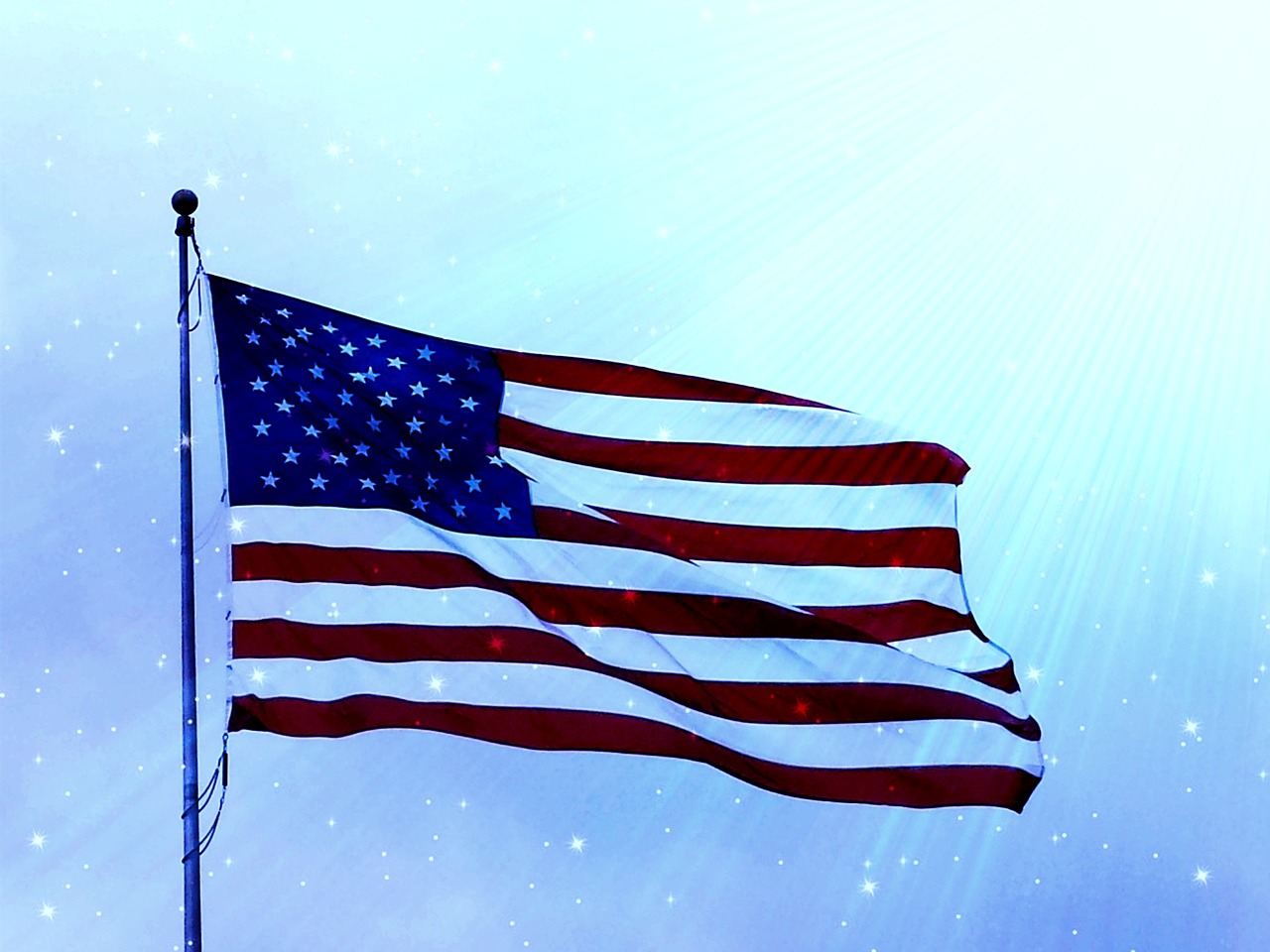
Caring for and maintaining your flags is essential to ensure they remain vibrant and proudly displayed, reflecting the values they represent. At a patriotic flag store, you'll find a wealth of resources and products to help you in this endeavor. Regular cleaning and proper storage are crucial, especially for outdoor flags exposed to the elements. Start by understanding the fabric composition of your flags; polyester flags, for instance, are more durable and easier to care for than cotton. Affordably patriotic decor options, such as American flag history and meaning-themed wall hangings, can complement your outdoor flags while adding a touch of national pride to your home.
For repairing damaged flags, especially those seen in public spaces or schools, the goal is to preserve their historical and symbolic value. Top-rated flag brands offer repair kits and services, allowing you to fix a torn flag effectively. A simple patch or hem repair can extend the life of a flag that has seen better days. If you're dealing with an old, cherished flag, consider the expertise of restorers who specialize in preserving historical textiles, ensuring the flag's story and significance remain intact.
International flags and their meanings also play a role in flag-themed home decor. Many patriotic flag stores offer a range of global flags, allowing you to create a diverse display that celebrates cultural heritage and global unity. Incorporating these flags into your indoor decor can spark conversations about different countries and their unique symbols, fostering a sense of global understanding. Remember, caring for flags is not just about their appearance; it's about respecting and honoring the values they represent.
Uniting Communities with Flag Etiquette Guidelines

Uniting Communities through Shared Flag Etiquette: A Practical Guide
Flag etiquette transcends simple display rules; it's a powerful tool to foster community and shared identity. This is why people buy patriotic flags, beyond their symbolic value: they become a tangible expression of national pride and unity. At our patriotic flag store, we see firsthand how these guidelines can bring communities together. A well-maintained flag on a school's campus not only honors students and faculty but also serves as a beacon of community spirit, inviting participation in local events and national holidays.
Understanding and adhering to proper flag etiquette is crucial, especially when displaying flags outdoors. Maintaining them is key; repairing damaged flags, for example, extends their lifespan and ensures they retain their dignity. Our flag store recommends using weather-resistant fabrics and offering repair services to support customers in preserving their flags. When flags are flown on patios or in public spaces, proper care becomes even more vital. Displaying flags on patios, for instance, requires considering factors like sunlight exposure and wind, which can accelerate wear and tear. Following guidelines for cleaning and storing flags, as we detail in our resources, can significantly prolong their lifespan.
Beyond individual homes and businesses, flag etiquette matters in public spaces. Local governments and community organizations often use flags to celebrate national and cultural events, reflecting the diverse mix of our society. During 4th of July parades, flags are not merely displayed but actively participate in the celebration, uniting citizens in a shared moment of pride. This is where our unique designs for flag enthusiasts, like patriotic window decals, come into play-they add a personal touch while maintaining the community's visual connection to these traditions.
Educating the next generation about flag etiquette is another critical aspect. This knowledge not only fosters pride but also instills a sense of responsibility for preserving our nation's heritage, encouraging repairing damaged flags and displaying them with respect.
Frequently Asked Questions About Flag Etiquette Proper Display Guidelines
What is the appropriate way to display the American flag? The American flag should be flown at all times, but if it's not possible, it should be folded neatly and stored in a clean, dry place. When displayed, the flag should be positioned where it is visible and respected, often in a prominent location outdoors or in a display case indoors. Always ensure the flag is not draped or used as a cover. It should be flown at half-staff in times of mourning, and never allowed to touch the ground or become entangled in any object.
When is it appropriate to display the flag outdoors? The American flag is typically flown outdoors on national holidays, such as the Fourth of July, Memorial Day, and Labor Day. It can also be displayed on other days to honor a specific event, like a military service member's return or a community celebration. In residential areas, flags are often flown from homes and flagpoles in front yards. In public spaces, flags are flown from buildings, monuments, and flagpoles.
Are there rules for displaying the flag indoors? When displaying the American flag indoors, it should be hung in a prominent, respectful location. It can be hung from a wall, ceiling, or a dedicated stand. The flag should never be placed on the floor or used as a covering. If a table is used for a display, the flag should be placed on the table with the blue field (the union) at the top and right side. This orientation ensures the flag is displayed properly and respectfully.
What are the guidelines for flag size and proportion? The flag's size and proportion are critical for a visually appealing display. The width-to-length ratio of the American flag is 3:5, meaning for every three units of width, the flag should be five units long. This ratio is consistent for all official flag sizes, from the largest ceremonial flags to the common 3x5-foot flags used by households and businesses. This ratio ensures the flag's design, including the stars and stripes, remains proportionate.
How should I care for and maintain my flag? Flags should be regularly cleaned to remove dirt, dust, and other debris. Hand washing with mild detergent and warm water is recommended. Avoid using bleach or fabric softener. After cleaning, line dry the flag. For outdoor flags, inspect for wear and tear frequently. Replace the flag if it becomes frayed, torn, or discolored. Store flags in a cool, dry place when not in use to prevent fading and damage.
Elevating Patriotism: A Flag Display Revamp for a Local School
Situation
A local high school in a bustling suburban community had been displaying the American flag in a haphazard manner, leading to a lack of respect and understanding of its symbolism among students and visitors. The flagpole stood bare most of the time, with the flag only partially unfurled and often draped by wind. The flag was not illuminated at night, and its location was obscured by surrounding trees. This disorganized display failed to convey the flag's historical and emotional significance, missing the mark for both educational and patriotic purposes.
Action
The school's administration, in collaboration with a local patriotic flag store, took initiative to rectify this situation. They implemented a comprehensive flag display upgrade, following strict flag etiquette guidelines.
First, they removed the existing flagpole and installed a taller, more visible structure. The new pole was properly anchored to ensure stability and security. Next, they purchased a high-quality, hand-sewn American flag from a top-rated flag brand, ensuring it met the required specifications. The flag was expertly raised and secured, with a ceremonial ceremony to mark the occasion.
To enhance nighttime visibility, the school installed LED lighting around the flagpole, making the flag a beacon of pride even after dark. They also repositioned the pole closer to the school's main entrance, allowing students and visitors a clear view of the display upon arrival.
Result
The revitalized flag display has brought about several positive changes. The flag is now flown at full staff most days, thanks to a new wind-resistant design and proper installation. The improved visibility has sparked engaging conversations among students about the flag's symbolism and history.
The school's community has shown a notable increase in patriotism and pride. Visitors often comment on the well-maintained display, while students have taken a greater interest in learning about their nation's history and values. The school's administration attributes this success to the collaborative effort and adherence to proper flag etiquette, setting a new standard for patriotic displays in the area.
Comparing Flag Display Practices for Different Settings
This comparison highlights key differences in flag display guidelines for homes, schools, and public spaces, highlighting best practices for each environment.
Quick Reference
- Identify the type of flag: Understand the difference between historical, commemorative, or offensive uses of confederate flags.
- Respect historical context: Recognize that flags represent complex historical events and avoid trivializing their significance.
- Consider the audience: Be mindful of the environment and individuals present when displaying confederate flags.
- Local laws and regulations: Check for any local restrictions or guidelines regarding the display of confederate flags.
- Appropriate settings: Limit flag displays to suitable locations, such as museums, historical sites, or private property.
- Avoid insensitive placement: Do not display confederate flags near memorials or sites dedicated to victims of racial violence.
- Educate and engage: Use flags as a starting point for conversations about history, culture, and sensitivity.
- Respect cultural boundaries: Be sensitive to regional and cultural differences in perceptions of confederate symbolism.
As we conclude, it's evident that navigating the display of flags, especially those with historical significance like the Confederacy, requires a nuanced approach. This article has explored a practical guide to flag etiquette, emphasizing the importance of historical context, sensitivity, and respect. From selecting the appropriate flags through flag care and installation, to their role in art and gift-giving, each aspect demands careful consideration.
Understanding the symbolism and potential controversy surrounding flags like the Confederacy, we must honor the past without perpetuating harm. This involves recognizing regional allegiances, balancing heritage with artistic license, and engaging in constructive dialogue. By following proper display guidelines, respecting local laws, and considering alternatives to controversial symbolism, communities can foster a more inclusive environment.
Institutions, from museums to educational resources, play a crucial role in interpreting and representing historical symbols responsibly. As we learn from the past, it's essential to remember that flags are powerful tools that can unite or divide, and their display should reflect a commitment to understanding, tolerance, and the preservation of history for future generations.
A Patriotic Flag Store offers guidance on selecting flags for various settings: vibrant outdoor flags for prominent displays and durable events, and delicate indoor flags for homes and classrooms. The store emphasizes the importance of choosing flags based on the occasion and environment to display the American spirit appropriately and with respect.