
The American Flag has evolved through numerous design changes, reflecting the nation's growth and values. The first version, with 13 stripes and 13 stars, represented the original colonies. In 1818, a law established a pattern for adding stars based on new states joining the Union. The current design, featuring 50 stars, was adopted in 1960 after Hawaii's statehood, symbolizing the unity and diversity of the United States.
Key Takeaways
- The evolution of the American Flag, adopted in 1777, reflects significant historical events and shifts in national identity.
- Each change to the flag design, including the addition of stars and stripes, represents a pivotal moment in American history.
- The number of stripes has always symbolized the original 13 colonies, though the design has adapted to union growth.
- The stars on the flag, currently 50, mark the admission of each new state to the Union.
- The design process for new flag versions involved public input and debate, fostering a sense of national involvement and ownership.
- The flag's symbolism extends beyond its physical appearance, representing unity, freedom, and the ideals upon which the nation was founded.
- Over time, the American Flag has become a powerful symbol of national pride and patriotism, recognized worldwide.
The American flag, a powerful symbol of national pride and unity, has undergone a remarkable evolution since its inception. Understanding this history is crucial, especially when sourcing a new patriotic flag from a trusted store like ours. The design has changed over time, reflecting the nation's growth and values, from the initial 13-star flag to the current 50-state banner. This article examines the intricate process, exploring the historical context behind each modification and its impact on the flag's symbolism. By the end, readers will grasp the significance of these changes and appreciate the rich heritage represented by the patriotic flags available at your local store.
- From Colonies to Stars and Stripes
- Design Changes and Symbolism Evolve
- The American Flag Today: Honor and Pride
From Colonies to Stars and Stripes
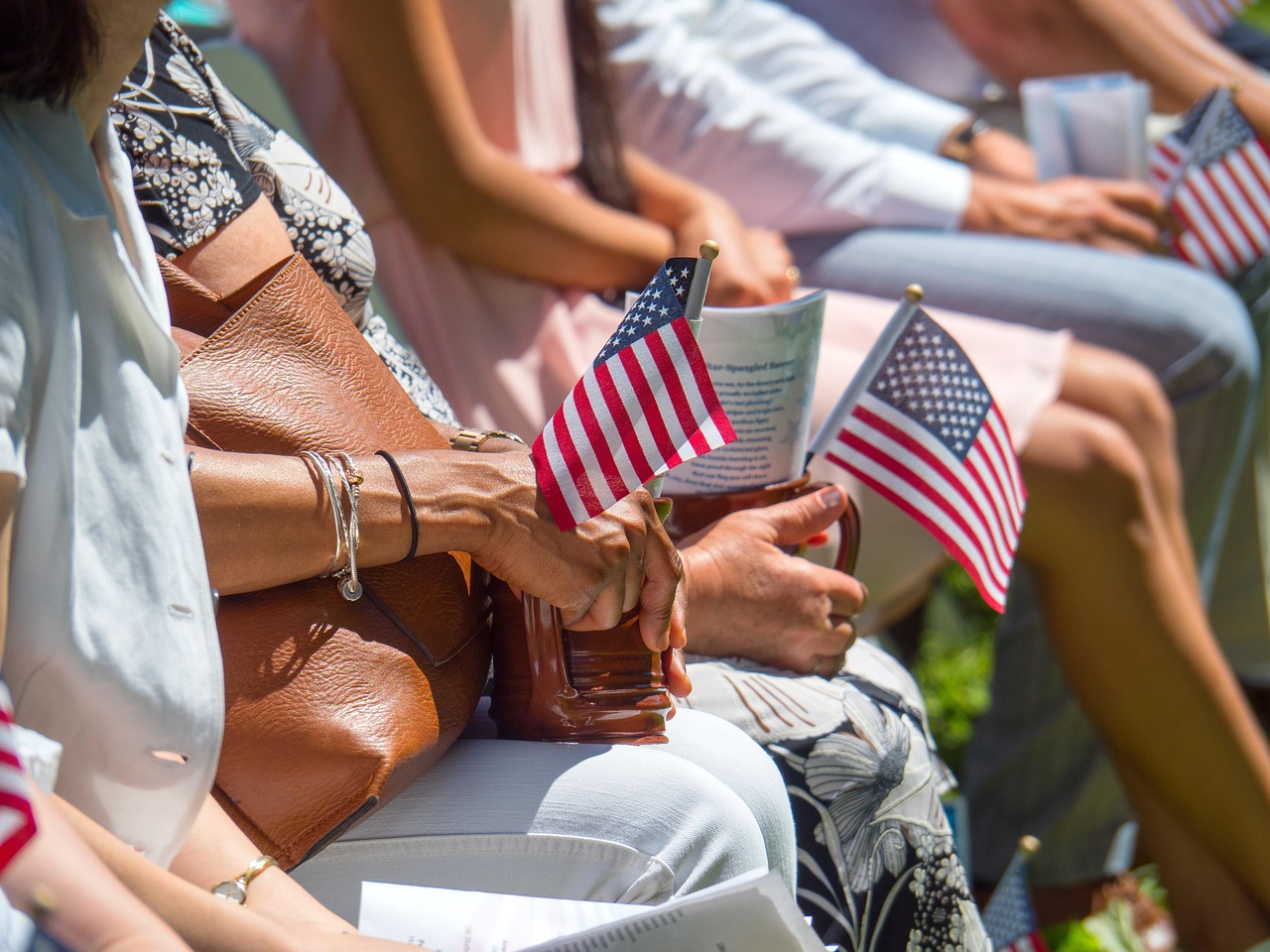
The evolution of the American Flag, from its earliest iterations in the colonies to the iconic "Stars and Stripes" we know today, is a sign of the nation's growth and unity. In the beginning, each colony had its own unique flags, reflecting local pride and distinct identities. These early flags often featured symbols like the lion, the eagle, or colonial crests, reflecting the influences of European heraldry. As the colonies began to unite, so too did their flags, evolving from a patchwork of designs to a more unified standard.
The birth of the United States of America brought a new era in flag design. The Continental Congress adopted the first official national flag, known as the "Betsy Ross Flag," in 1777. This flag, featuring 13 red and white stripes and 13 stars, represented the original 13 colonies. However, as new states joined the Union, the flag underwent modifications to include more stars. The design process was iterative, with various manufacturers and flag-makers contributing their own interpretations and innovations. This period saw a surge in popularity for discounted patriotic banners as communities and individuals displayed them during national events and national pride events.
The current design, with 50 white stars on a blue field, was adopted on July 4, 1960, after Hawaii became the 50th state. This evolution from 13 stripes and 13 stars to 50 stars reflects not only the growth of the nation but also the changing demographics and diverse cultures that make up America. The flag's design has been a canvas for showcasing the creativity of flag makers, who often incorporate unique designs and colors to represent specific states or regions. Today, a patriotic flag store offers a wide array of options for individuals and businesses looking to display their pride, from high-quality outdoor flags to indoor wall hangings, with careful consideration for proper displaying flags on patios and how to care for a flag. Even with the standardized design, the American Flag continues to be a powerful symbol, inspiring cleaning and storing flags with care and respect, both at home and in public spaces.
Design Changes and Symbolism Evolve
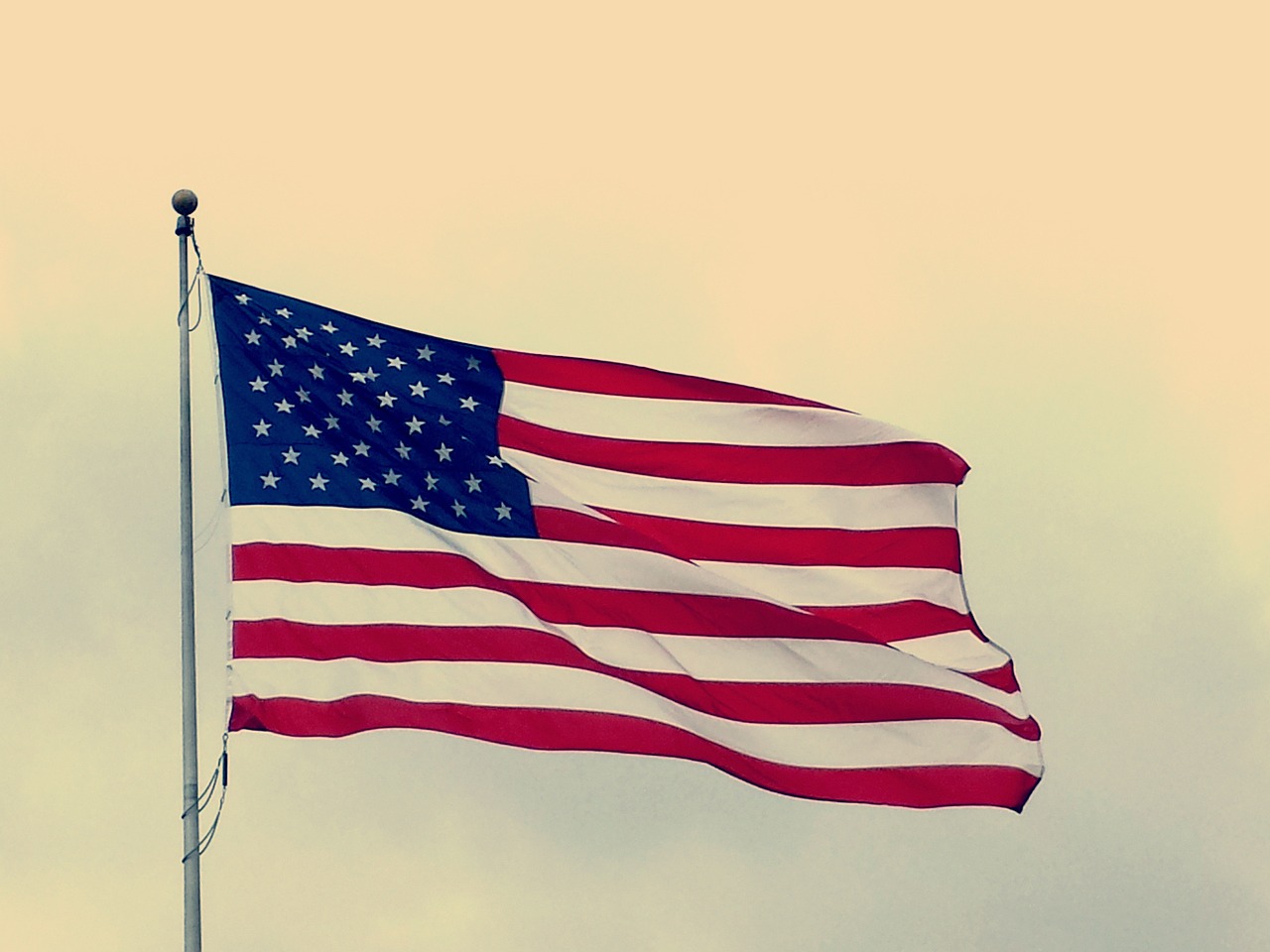
The evolution of the American Flag design is a sign of the nation's growth, values, and symbolism. Over time, the flag has undergone subtle changes, reflecting the changing societal landscape and the increasing complexity of American identity. These changes are not just aesthetic; they represent shifts in national consciousness, incorporating new states, celebrating milestones, and honoring the diverse cultures that make up the United States.
One notable period of transformation occurred during the mid-19th century with the addition of new states to the Union. Each new state's admission was marked by the inclusion of a new star on the flag, symbolizing the growing republic. The 1860s and 1870s saw a series of flag revisions, with the 31-star flag becoming the norm by 1877. This period also saw the introduction of the current design's distinctive red and white stripes, representing the original colonies and the ideals of freedom and unity. Today, the Patriotic Flag Store offers a wide range of these historical flags, allowing customers to appreciate and learn from the nation's past.
Why do people buy patriotic flags? For many, it's not just about displaying national pride; it's a way to honor history, celebrate diversity, and mark significant events. The best quality flags, like those available at the Patriotic Flag Store, serve as powerful symbols of American identity. They can be displayed indoors or outdoors, in homes or public spaces, to show support for the nation and its values. Large outdoor flags for sale are popular choices for patriotic events, while indoor flag displays for homes add a subtle touch of national pride to living spaces. Customers who visit us at how to choose the right patriotic flags are often looking for long-lasting, high-quality products that can withstand the elements and represent their love for country effectively.
The symbolism on the American Flag continues to evolve. The stars and stripes now encompass not just geographical regions but also the nation's shared experiences, values, and aspirations. This evolution is seen in the addition of new symbols, such as the blue field with 50 white stars representing the 50 states, and the red, white, and blue color scheme that has become universally recognized as a symbol of America worldwide. These changes reflect the changing face of America, ensuring that the flag remains relevant and inspiring for each new generation.
The American Flag Today: Honor and Pride

The American Flag, today, stands as a powerful symbol of national pride and unity. Its evolution over the centuries has been a sign of the changing times, values, and aspirations of the United States. In a patriotic flag store, you'll find a wide array of flags that represent not only the history but also the diversity and strength of our nation. Understanding the flag's design and its significance is essential, especially when displaying it properly. The importance of flying a flag correctly goes beyond aesthetics; it's a matter of respect and honor.
The design of the American Flag has undergone several transformations, each reflecting a specific era in American history. The current flag, with its 50 stars and 13 stripes, is a result of the 50th state's admission in 1959. This design, while widely recognized, is just one iteration of a symbol that has evolved to keep pace with the nation's growth. The flag's history is a rich mix of change and continuity, making it a fascinating subject for study, especially in patriotic gear stores that often display various historical flags.
Affordable patriotic decor featuring the American Flag is readily available in many forms, from indoor flag displays to large outdoor flags. The flag's presence in homes, schools, and public spaces serves as a constant reminder of our national identity. The best places for patriotic gear often offer not just flags but also a wealth of knowledge about their history and significance. Visiting a patriotic flag store, for instance, can provide insights into the flag's design, its symbolism, and the importance of maintaining proper flag etiquette. This includes learning how to fly a flag properly, a skill that is both practical and meaningful, especially during national holidays like the 4th of July, where flags are displayed with pride across the nation.
A Comparison of American Flag Designs Through the Years
This section compares key American flag designs, highlighting their distinctive features, ideal use cases, strengths, limitations, and cost-performance.
Quick Reference
-
Understand the Basic Design: Familiarize yourself with the red, white, and blue stripes and stars, the core elements of the American flag.
-
Research Historical Changes: Explore how the flag has evolved, with notable changes in star arrangements and stripes over time.
-
Symbolism Matters: Learn the meaning behind the symbols, from the stars representing states to the stripes symbolizing the original colonies.
-
Flag Types: Distinguish between various flag types, such as the national flag, state flags, and military flags, each with unique designs.
-
Flag Proportions: Know the correct proportions for displaying the flag, ensuring it's flown at the appropriate size for its intended use.
-
Displaying with Honor: Understand the guidelines for flying the flag, including proper placement and respect for its significance.
-
Repair and Restore: Learn basic flag repair techniques for torn or damaged flags, or consider restoring old flags for preservation.
-
Choose Quality: Invest in high-quality flags from reputable suppliers to ensure durability and authenticity.
The Patriotism Project: Revitalizing Community Spirit Through American Flag Design
Situation
A small, tight-knit community in a suburban area was looking to revitalize its sense of unity and patriotism. The local patriotic flag store noticed a declining interest in traditional American flags among the residents, with many opting for generic, colorful flags that didn't carry the same historical weight. The store owner, concerned about sales and community engagement, sought a solution to engage the community and restore pride in the American flag.
Action
The patriotic flag store owner partnered with local schools, community centers, and historical societies to organize a community-wide initiative. The project involved:
- Educational Workshops: Hosting workshops at schools and community centers to teach students and adults about the history and symbolism of the American flag, leading to a deeper understanding and appreciation.
- Design Competition: Launching a design competition for students to create new variations of the American flag, encouraging creativity and engagement. The winning design would be featured on a limited-edition flag, sold at the store.
- Flag Display Events: Organizing a series of flag-raising ceremonies and displays at local landmarks, featuring the winning design and historical flags, fostering a sense of community and patriotism.
- Sales Incentives: Offering special discounts and promotions on American flags during the initiative to encourage residents to purchase and display them in their homes and businesses.
Result
The flag display events drew large crowds, with an average of 150 attendees per event, and generated positive media coverage, significantly boosting the store's visibility and reputation in the community.
Frequently Asked Questions About The Evolution of the American Flag Design
What is the current version of the American flag?
The current version of the American flag, officially known as the Stars and Stripes, features 50 white stars on a blue field, representing the 50 states, and 13 red and white stripes, symbolizing the original 13 colonies. This design has been in use since July 4, 1960, making it a recognizable symbol of the United States worldwide.
How has the design of the American flag changed over time?
The American flag has undergone several significant changes since its inception. The original design, adopted in 1777, featured 13 stars and 13 stripes. As new states joined the Union, the flag was modified to include additional stars. Over the years, the number of stripes remained constant at 13, representing the original colonies, while the star count grew to reflect the expanding nation.
What does each color on the flag represent?
Red symbolizes valor and bravery, white stands for purity and innocence, and blue represents vigilance, perseverance, and justice. These colors, used together, have come to embody the values and ideals upon which the United States was founded.
How are new stars added to the flag?
New stars are added to the flag every time a new state joins the Union. Once approved, the new design is officially adopted and the flag is updated.
Where can I learn more about the history of the American flag?
Numerous online resources offer in-depth information about the evolution of the American flag. The National Archives, the U.S. Library of Congress, and various historical societies provide detailed accounts, images, and primary sources for further exploration.
What are some common myths about the design of the American flag?
One popular myth is that the red and white stripes represent light and darkness, or good and evil. This interpretation lacks historical support. Another myth is that the number 13 in the original design held some sinister meaning, which is also not based in fact. These myths often arise from misinformation or misinterpretations.
The evolution of the American Flag, from its early colonial beginnings to its current status as a global symbol of freedom and democracy, reflects the growth and values of our nation. By understanding the design changes and symbolic meaning behind each stripe and star, we gain a deeper appreciation for its power as an unifying force. The patriotic flag store serves as a crucial touchpoint for citizens to engage with this history, acquire high-quality flags, and explore diverse flag-related products. Moving forward, we can continue to celebrate and honor our flag by staying informed about its etiquette, supporting flag-themed initiatives, and ensuring its proper care and display. This knowledge equips us to pass on its legacy to future generations, fostering a sense of national pride and unity.
The American Flag's evolution, from colonial days to the current 50-star design, reflects the nation's growth, values, and unity. The Patriotic Flag Store offers a range of historical flags, showcasing the flag's changing design and symbolism. Understanding the flag's history and proper display is essential. Customers can find high-quality flags for indoor or outdoor use, learning about the flag's significance and the importance of flag etiquette, especially during national holidays.